
The Easiest Vegetable You're Not Growing Enough Of: A Complete Guide to Stringless Green Beans
From seed to harvest in under 60 days — how Valley Greene's Burpee Stringless Green Pod bean delivers heavy yields on compact bush plants with almost no effort
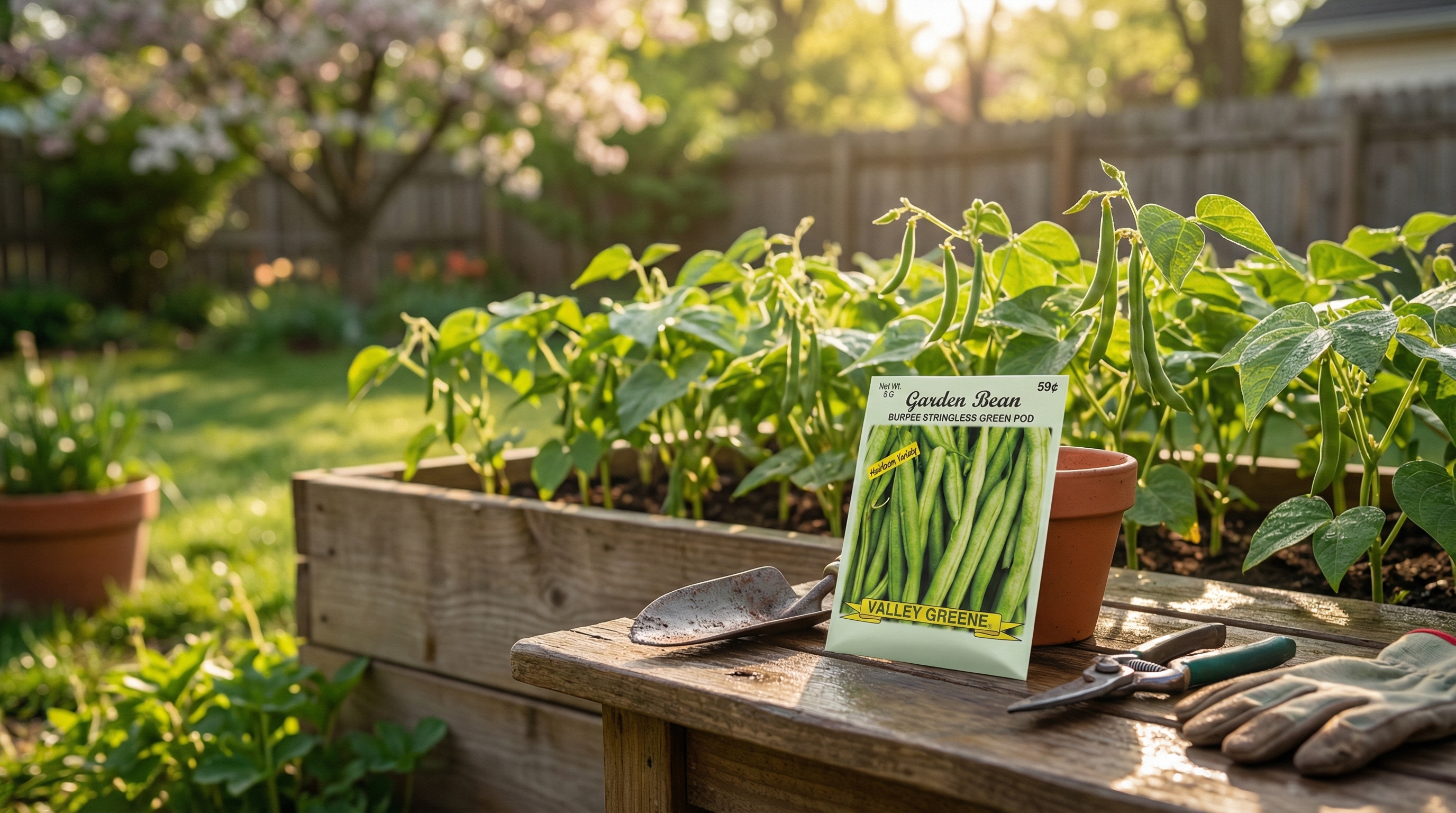
Some vegetables are complicated. Green beans are not. The Valley Greene Bean (Burpee Stringless Green Pod) is about as straightforward as gardening gets: push seeds into warm soil, keep them watered, and in roughly 55 days you'll be picking tender, stringless pods off compact bush plants that need no staking, no trellising, and minimal fuss. For beginner gardeners building their first raised bed, or experienced growers adding a reliable workhorse to their rotation, the Burpee Stringless Green Pod is one of the most satisfying seeds to put in the ground. We carry it at Liberty Farm, Home & Garden in Galion, Ohio.
Why Bush Beans Beat Pole Beans for Most Ohio Gardens
When gardeners imagine green beans, they often picture the climbing vine type — pole beans winding up a trellis or fence, producing over a long season. Pole beans have real advantages for small-footprint vertical growing, but for most Ohio home gardens, bush beans like the Burpee Stringless Green Pod are the smarter starting point.
Bush beans grow as compact, self-supporting plants — typically 18 to 24 inches tall — that don't require any support structure. There's no trellis to build, no stakes to pound, no weaving tendrils to guide. You direct-sow the seeds, they germinate in a week to ten days in warm soil, and the plants grow into neat, bushy mounds that support themselves through the entire growing season. For gardeners working with raised beds, containers, or limited time, that simplicity is genuinely valuable.
Bush beans also tend to mature more uniformly than pole beans, with the entire crop ripening in a concentrated window. This is ideal if you're growing for fresh eating through summer (plant successive batches every two weeks to extend the harvest) or if you want to do a single large harvest for canning, pickling, or freezing. Pole beans produce over a longer period but require more sustained attention. Bush beans let you harvest and move on — or replant and harvest again.
In Ohio's climate, where summer heat arrives relatively quickly in June and high humidity can stress cool-season plants, bush beans' faster maturity is also an advantage. A 55-day variety planted in mid-May can complete most of its harvest before the most intense July and August heat sets in.
What Makes the Burpee Stringless Green Pod a Classic
The Valley Greene Bean (Burpee Stringless Green Pod) has been a home garden staple for generations, and its staying power is earned. It produces heavy yields of straight, medium-length pods — typically 5 to 6 inches — that are genuinely stringless when harvested at the right stage. That matters more than it sounds. Anyone who has spent ten minutes picking tough strings from a pile of beans before cooking knows what a genuine improvement stringless varieties represent.
The pods are tender and fine-textured when harvested young, with a clean bean flavor that holds up well both fresh and cooked. The plants set pods prolifically and continuously once they start — meaning if you check every two to three days and harvest actively, you'll get a long productive run from each planting. Leaving pods on the plant past maturity slows production, so frequent harvesting is the key to maximum yield from any bush bean variety.
As a non-GMO variety, the Burpee Stringless Green Pod is also well-suited to organic and low-input growing practices. Beans fix their own nitrogen through root-zone bacteria, which means they improve soil fertility rather than depleting it — a genuine benefit for rotating crops in a raised bed or garden plot over multiple seasons.
| Feature | Details |
|---|---|
| Type | Bush bean (no staking required) |
| Days to Maturity | Approximately 55 days from direct sowing |
| Pod Length | 5–6 inches, straight, stringless |
| Plant Height | 18–24 inches, self-supporting |
| Seed Type | Non-GMO direct-sow |
| Planting Depth | 1–1.5 inches |
| Spacing | 4–6 inches between seeds, 18–24 inches between rows |
| Soil Temperature for Germination | 60°F minimum, 65–85°F optimal |
| Available At | Liberty Farm, Home & Garden, Galion, Ohio |
When and How to Plant in Ohio
Beans are a warm-season crop and are highly sensitive to frost — they will not survive a freeze, and seeds sown in cold, wet soil will rot rather than germinate. In central Ohio (Galion area), the typical last frost date falls between late April and early May, with May 10–15 being the standard safe window for sowing beans directly in the ground without frost protection. Soil temperature is the real determining factor: wait until the soil is consistently at or above 60°F at planting depth, and ideally above 65°F for faster, more reliable germination.
Direct sowing is the correct method for beans — they don't transplant well and don't benefit from starting indoors. Press seeds 1 to 1.5 inches deep, spacing them 4 to 6 inches apart. If planting in rows, leave 18 to 24 inches between rows to allow good airflow and easy access for harvesting. In raised beds, a grid pattern works well: plant seeds every 4 to 6 inches across the bed width.
Succession planting is the best strategy for continuous fresh eating. Rather than planting your entire seed packet at once, plant a portion every two weeks from mid-May through mid-July. Each planting matures about 55 days later, giving you overlapping harvests across the whole summer rather than one large glut of beans followed by nothing.
Soil, Fertilizing, and Watering Basics
Green beans are not demanding plants, but they do have preferences. They grow best in loose, well-drained soil with a pH between 6.0 and 7.0. Compacted or waterlogged soil is the biggest threat to bean plants — consistent moisture is important, but beans absolutely cannot tolerate standing water or soggy roots. If your garden has heavy clay soil, incorporating compost or a quality planting mix before sowing improves drainage significantly.
On fertilizing: beans are nitrogen-fixing legumes, meaning the bacteria in their root nodules pull nitrogen from the air and convert it to a form the plant can use. This makes them unusual among vegetables — they generally don't benefit from heavy nitrogen fertilization, which can actually push the plants toward leafy growth at the expense of pod production. A light application of a balanced garden fertilizer or a phosphorus-forward fertilizer at planting supports root development and pod set without overdriving vegetative growth. Going heavy on nitrogen is one of the most common bean-growing mistakes.
Watering should be consistent — about an inch per week, either from rainfall or supplemental watering. The most important time to maintain moisture is during flowering and pod set. Drought stress during this window causes flowers to drop and dramatically reduces yield. Water at the soil level when possible rather than overhead; wet foliage in humid Ohio summers encourages bean diseases like bacterial brown spot and powdery mildew.
For raised bed growers, pairing beans with a quality potting or garden mix ensures the drainage and aeration they need. A mix that includes compost, perlite, and some coir holds moisture while draining freely — exactly what beans want.
Harvesting for Maximum Yield
Harvest timing is where many first-time bean growers leave yield on the table. The window for optimal bean quality — tender, stringless, at peak flavor — is shorter than most people expect. Pods should be harvested when they're 4 to 6 inches long, before the seeds inside have begun to swell noticeably. At this stage, they snap cleanly, have the best texture, and, crucially, are still genuinely stringless.
If pods are allowed to grow too large and the seeds inside swell to full size, the pods toughen, the flavor coarsens, and even a “stringless” variety can develop some fibrous texture at the seams. Overgrown pods left on the plant also send a signal that the plant's reproductive mission is complete, which reduces subsequent flower and pod production. Frequent harvesting — every two to three days when the plants are actively producing — keeps the plants in continuous production mode and gives you the best quality pods.
For a large harvest intended for canning or freezing, time your planting so the entire crop matures at once (single planting) and harvest on a single day when pods are uniformly at peak size. Beans freeze exceptionally well after brief blanching and are a practical way to preserve summer abundance for winter cooking.
Common Problems and How to Avoid Them
Beans are generally low-maintenance, but a few problems are worth knowing before you plant. Mexican bean beetles are the most common insect pest in Ohio bean gardens — the adults and larvae both feed on the undersides of leaves, skeletonizing foliage in severe infestations. Check the undersides of leaves weekly for yellow egg clusters and copper-colored larvae, and remove them by hand in small plantings. Row covers applied at planting provide physical exclusion without chemicals.
Bean mosaic virus shows up as mottled, distorted foliage and stunted plants. It's spread by aphids, so managing aphid populations (with insecticidal soap or strong water sprays) reduces transmission risk. There's no cure once a plant is infected — remove affected plants promptly to prevent spread.
Root rot is almost always a drainage problem. If seedlings damp off at the soil line or plants yellow and collapse in midsummer despite regular watering, overly wet conditions are the usual culprit. Raised beds with well-draining media are the easiest long-term fix for gardens with heavy or compacted soil.
Deer are a real consideration for bean plantings in rural Ohio. Beans are highly palatable and will be visited by deer if unprotected. Temporary deer netting, floating row cover, or a simple fence around the planting area are the practical solutions. A few stakes and some deer netting is faster to set up than it sounds and reliably protects a small planting.
What Else to Plant Alongside Your Beans
Beans fit naturally into a diverse vegetable garden, and their nitrogen-fixing quality makes them genuinely beneficial neighbors for heavy-feeding crops. A few pairings that work especially well in Ohio summer gardens:
Carrots are the classic companion. The Valley Greene Carrot (Nantes Coreless) is a sweet, tender variety that matures well in Ohio's loamy soils. Carrots and beans don't compete for the same nutrients, their root zones occupy different soil depths, and interplanting them makes efficient use of raised bed space.
Beets are another strong companion for beans. The Valley Greene Beet (Detroit Dark Red) is a dependable variety with both edible roots and greens. Like carrots, beets benefit from beans' nitrogen contribution without competing aggressively for space.
Broccoli is traditionally planted as an early spring or fall crop in Ohio, but a late summer planting of Valley Greene Broccoli (Calabrese Green Sprouting) timed to mature in September pairs well with a bean garden that's winding down by August — you transition seamlessly from summer beans to fall broccoli in the same space.
Avoid planting beans directly next to onions, garlic, or fennel — these are known companions that inhibit bean growth, and keeping them on opposite ends of the garden is the simple solution.
Starting Your Garden at Liberty Farm, Home & Garden
The Valley Greene Bean (Burpee Stringless Green Pod) is exactly the kind of seed that belongs in a first-year garden — uncomplicated, productive, and rewarding in a very concrete way. There's something uniquely satisfying about picking a colander full of beans from plants you grew from a packet of seeds, and this variety delivers that experience reliably for beginners and experienced growers alike.
We carry the full Valley Greene seed line at Liberty Farm, Home & Garden in Galion, Ohio, including the companion vegetables mentioned in this guide. If you're putting together a garden plan for this season and want help thinking through what to plant and when, stop in and we're happy to walk through Ohio's planting calendar with you. You can also browse available seeds and garden supplies at libertyfhg.com.
Frequently Asked Questions
Keep Reading
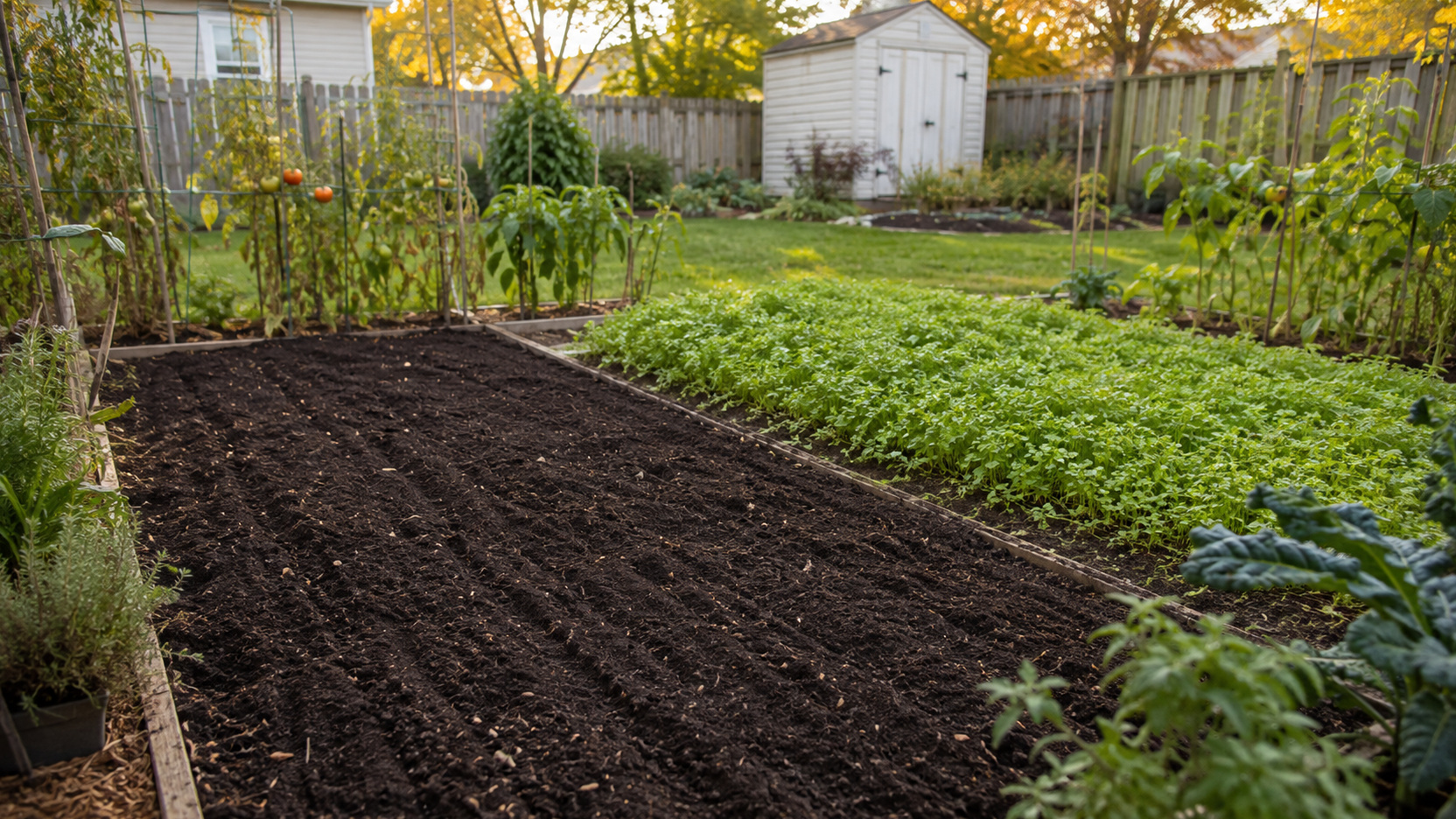
Plant Cover Crops Now: An Ohio Home Garden Guide
Plant fall cover crops in an Ohio vegetable garden with practical guidance on timing, species, seeding, winter care, and spring termination.
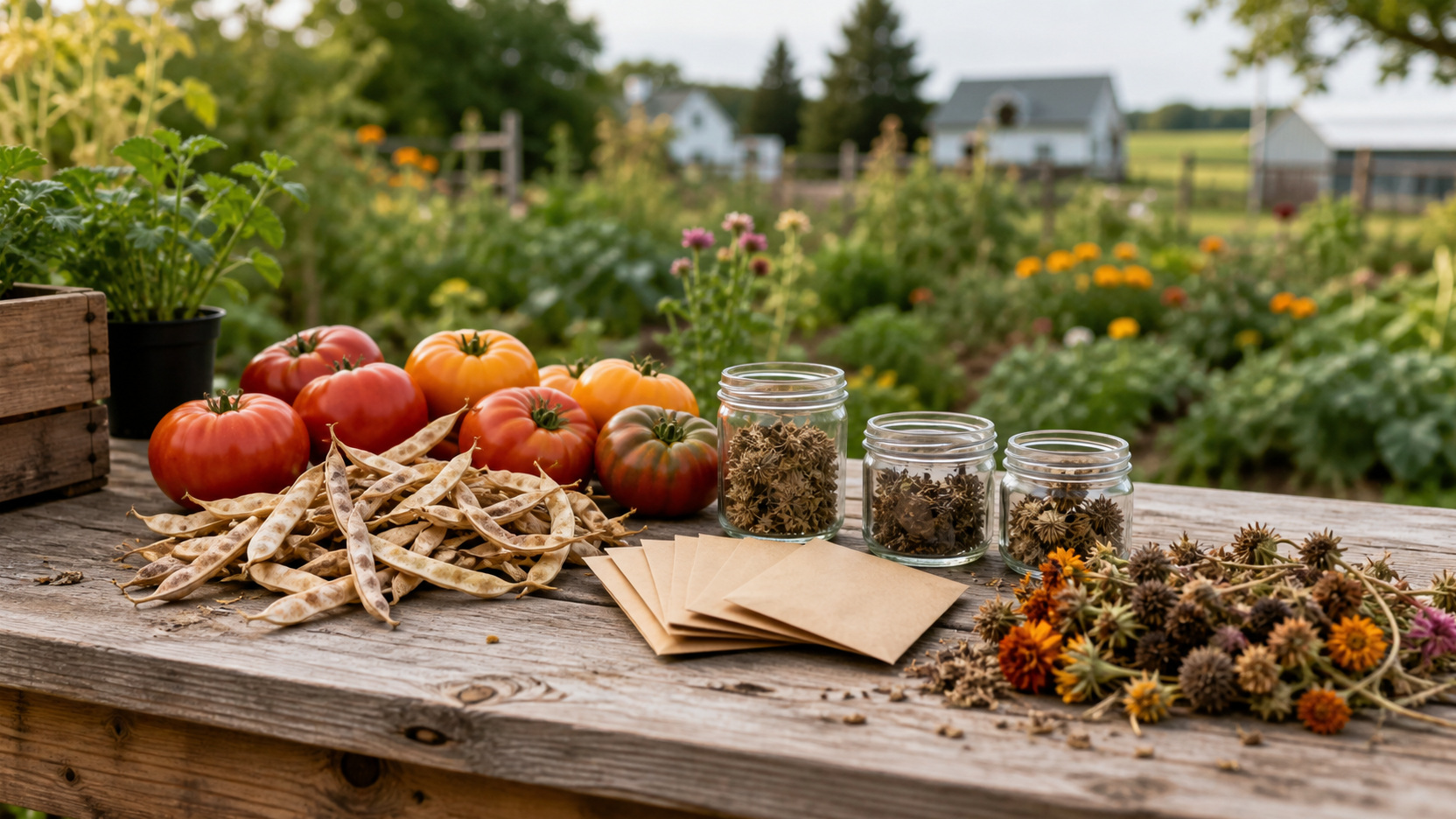
Save This Summer’s Garden: A Practical Ohio Seed-Saving Guide
Save tomato, bean, pea, lettuce, marigold, zinnia, and other garden seeds with this practical late-summer guide for Galion and north-central Ohio.