
Spring Lawn Care Guide for Ohio Homeowners
Get your lawn ready for the season with our complete guide to fertilizing, seeding, and weed control
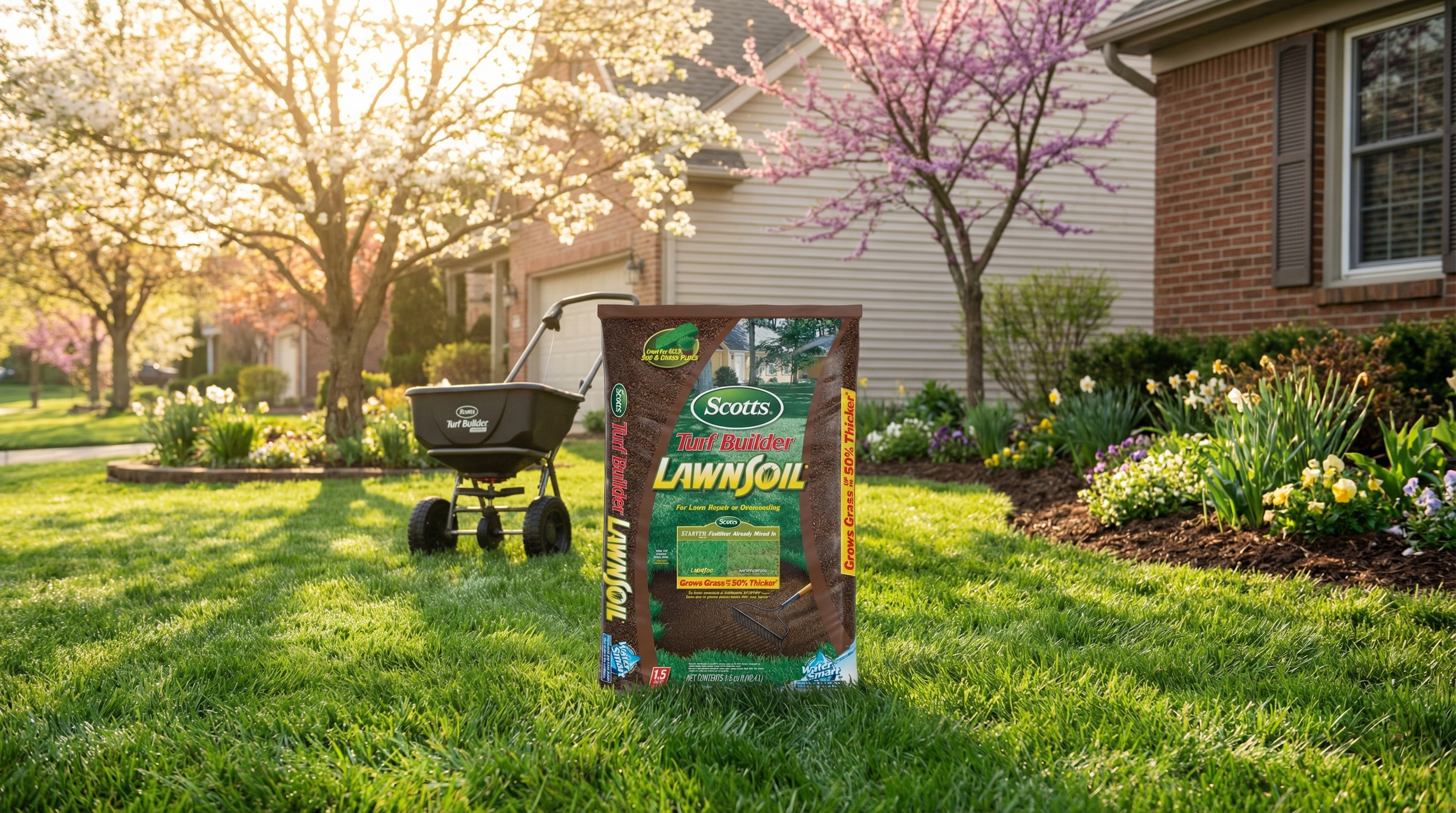
Ohio's cool-season grasses spend winter dormant, but they wake up hungry. A well-timed spring routine — soil testing, fertilizing, mowing, and weed control — sets the stage for a thick, green lawn that crowds out problems all season long. Here's how to do it right.
When to Start Spring Lawn Care in Ohio
In central Ohio, the best time to begin spring lawn care is mid-March through early April, once soil temperatures consistently reach 55 degrees at a 2-inch depth. Here in Galion and the surrounding areas, that usually lines up with the third week of March — right around the time forsythia bushes start blooming.
Don't rush it. Starting too early can stress grass that's still dormant, and applying products to frozen or waterlogged ground is a waste of time and money. Use a soil thermometer to check temperatures at a 2-inch depth for the most accurate reading.
Soil Testing: The Foundation of a Great Lawn
Before you spread a single granule of fertilizer, test your soil. Ohio soils tend to run slightly acidic with heavy clay content, and knowing your pH and nutrient levels will save you money and prevent guesswork.
- Pick up a soil test kit at Liberty Farm, Home and Garden or send a sample to your local OSU Extension office
- Test for pH, nitrogen, phosphorus, and potassium levels
- Aim for a soil pH between 6.0 and 7.0 for most cool-season grasses
- If your pH is below 6.0, apply Espoma Organic Garden Lime to raise it gradually over 2-3 months
Test your soil every 2-3 years. Ohio's clay-heavy soil can shift pH over time, especially after heavy winters, and retesting keeps you from wasting money on products you don't actually need.
Choosing the Right Fertilizer
Ohio lawns are typically Kentucky bluegrass, perennial ryegrass, tall fescue, or a blend of all three. These cool-season grasses benefit from a balanced spring fertilizer application once the soil warms up and active growth begins.
For a reliable all-around spring feeding, Scotts Turf Builder Lawn Food delivers slow-release nitrogen that feeds up to 5,000 square feet without burning your lawn. If you're patching bare spots or overseeding thin areas, work in some Scotts Turf Builder Lawn Soil to give new seed the best start. For smaller lawns or budget-conscious homeowners, Sta-Green Weed and Feed combines fertilizer and broadleaf weed control in one application.
| Product | Best For | Coverage |
|---|---|---|
| Scotts Turf Builder Lawn Food | General spring feeding | Up to 5,000 sq ft |
| Scotts Turf Builder Lawn Soil | Bare spots and overseeding | Spot application |
| Sta-Green Weed and Feed | Feed + weed control combo | Smaller lawns |
| Espoma Garden Lime | Raising low soil pH | As needed per soil test |
Apply fertilizer when rain is expected within 24-48 hours, or water it in lightly after application. Never fertilize frozen or waterlogged ground.
Weed Prevention and Control
The key to weed control is timing your pre-emergent herbicide correctly. In Ohio, apply pre-emergent when soil temperatures hit 55 degrees for 3-5 consecutive days. That window usually coincides with forsythia bloom — nature's built-in reminder.
For crabgrass specifically, Roundup Crabgrass Destroyer with its built-in wand sprayer makes targeted application easy. For broadleaf weeds that are already up and growing — dandelions, clover, plantain — a post-emergent like BioAdvanced Concentrated Weed Killer handles them without harming your lawn grasses.
Mowing Tips for Spring
Once your grass starts actively growing, proper mowing makes a bigger difference than most people realize:
- Set your mower high — 3 to 3.5 inches is ideal for Ohio's cool-season grasses
- Follow the one-third rule — never remove more than one-third of the grass blade in a single mowing
- Keep blades sharp — dull mower blades tear grass instead of cutting it, leaving ragged tips that invite disease
- Leave the clippings — grass clippings decompose quickly and return nitrogen to the soil, reducing your fertilizer needs
- Mow when dry — wet grass clumps, cuts unevenly, and clogs your mower deck
During peak spring growth in April and May, you may need to mow every 5-7 days to keep up. Resist the temptation to scalp the lawn after a missed week — take it down in stages instead.
Overseeding Thin or Bare Areas
Spring isn't the ideal time to overseed in Ohio — fall is better — but if you have bare patches that need attention now, you can still get decent results. Work Scotts Turf Builder Lawn Soil into the bare area, spread seed appropriate for your lawn type, and keep it consistently moist until germination (usually 7-14 days for most cool-season grasses).
The tradeoff: you can't use pre-emergent herbicide on overseeded areas, which means those spots will be more vulnerable to weeds during the first growing season. For large-scale lawn renovation, wait until September.
Putting It All Together
A solid spring lawn care schedule for central Ohio looks something like this:
- Early March: Clean up debris, rake out dead grass and matted leaves
- Mid-March: Test soil temperature. Start soil testing if you haven't in the past 2 years.
- Late March to early April: Apply pre-emergent herbicide once soil hits 55 degrees consistently. Apply lime if soil test indicates low pH.
- Mid-April: First fertilizer application. Patch bare spots with seed and lawn soil.
- Late April through May: Begin regular mowing at 3-3.5 inches. Spot-treat broadleaf weeds as they appear.
Stop by Liberty Farm, Home and Garden in Galion for all your spring lawn care supplies. Our team can help you choose the right products for your specific yard and soil conditions.
Frequently Asked Questions
Keep Reading
Plant Cover Crops Now: An Ohio Home Garden Guide
Plant fall cover crops in an Ohio vegetable garden with practical guidance on timing, species, seeding, winter care, and spring termination.

Save This Summer’s Garden: A Practical Ohio Seed-Saving Guide
Save tomato, bean, pea, lettuce, marigold, zinnia, and other garden seeds with this practical late-summer guide for Galion and north-central Ohio.