
Raised Bed Gardening in Ohio: Soil, Setup & Success
Build better garden beds that thrive in Ohio's climate and clay soil
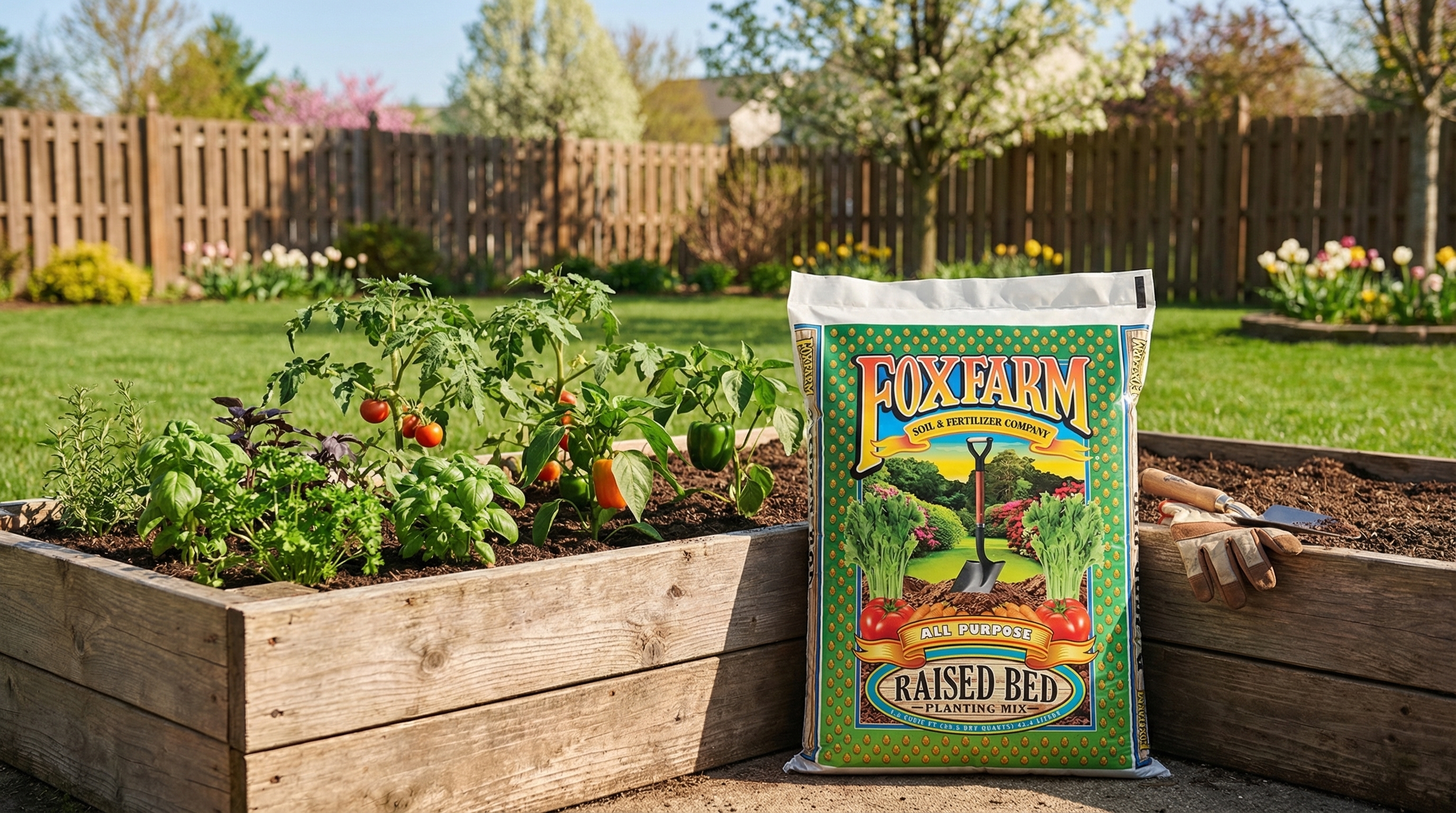
If you have tried vegetable gardening in Ohio and struggled with heavy clay soil, poor drainage, and late-season mud, raised beds might be the single best improvement you can make. By controlling the soil from the start, you skip the years of amending native ground and jump straight to productive growing. Raised beds warm up faster in spring, drain better in wet weather, and give you complete control over soil quality. Here is how to set them up for success.
Why Raised Beds Work So Well in Ohio
Ohio's native soil across much of the state, including the Galion area, is heavy clay. Clay soil compacts easily, drains poorly, stays cold longer in spring, and becomes waterlogged after heavy rain. Raised beds solve all of these problems at once:
- Better drainage: Raised soil drains faster than ground-level clay, reducing root rot and waterlogging
- Earlier planting: Raised soil warms up one to two weeks earlier than in-ground beds, giving you a head start on the growing season
- No compaction: Because you never step on the soil inside a raised bed, it stays loose and aerated season after season
- Custom soil: You fill the bed with exactly the soil mix your plants need instead of fighting to amend what nature gave you
- Easier maintenance: The raised height reduces bending and kneeling, making weeding, planting, and harvesting more comfortable
Building vs. Buying Raised Beds
You have two basic options: build your own or buy a kit. Both work well, and the right choice depends on your budget, skill level, and how much time you want to invest.
Building your own: The most common DIY approach uses untreated cedar, redwood, or construction-grade lumber. Cedar naturally resists rot and lasts 10-15 years without treatment. A standard 4x8-foot bed built from 2x10 or 2x12 cedar boards costs roughly $80-150 in materials and takes about an hour to assemble with basic tools.
Buying a kit: Metal raised bed kits (galvanized steel or corrugated metal) have become popular and are extremely durable. They cost more upfront but last decades. Composite and recycled plastic kits are another option that won't rot. Most kits bolt together in under 30 minutes with no tools beyond a screwdriver.
| Material | Lifespan | Cost (4x8 bed) | Pros | Cons |
|---|---|---|---|---|
| Cedar | 10-15 years | $80-150 | Natural rot resistance, attractive | Requires basic carpentry |
| Galvanized Steel | 20+ years | $150-300 | Extremely durable, modern look | Higher upfront cost |
| Concrete Block | Indefinite | $50-100 | Very affordable, no carpentry needed | Heavy, less attractive |
| Composite/Plastic | 15-20 years | $100-250 | No rot, no maintenance | Can look artificial |
The Right Soil Mix for Ohio Raised Beds
The soil you put in your raised bed matters more than the bed itself. A good raised bed mix needs to drain well, hold moisture without waterlogging, and provide nutrients for the growing season. Here are two approaches:
Option 1: Pre-Made Raised Bed Mix
FoxFarm Raised Bed and Planting Mix is purpose-built for this application. It combines aged softwood bark, composted forest humus, perlite, earthworm castings, bat guano, and oyster shell. It drains well, holds moisture appropriately, and comes with built-in nutrients. For gardeners who want a ready-to-plant solution without mixing their own blend, this is the easiest path.
Option 2: DIY Soil Blend
For larger beds or budget-conscious gardeners, mixing your own soil is cost-effective and gives you complete control over the composition. A proven recipe for Ohio raised beds:
- 40% topsoil or garden soil — Miracle-Gro All Purpose Garden Soil provides a solid base
- 30% compost — Mushroom Compost is an excellent source of organic matter and nutrients
- 20% premium potting mix — FoxFarm Ocean Forest adds quality ingredients and beneficial biology
- 10% perlite or coarse vermiculite — Ensures adequate drainage and prevents compaction
Mix thoroughly before filling the bed. Water the filled bed deeply and let it settle for a day or two before planting. You may need to add another inch or two of mix after settling.
How Much Soil Do You Need?
Calculating soil volume prevents buying too much or making extra trips:
| Bed Size | Depth 8 inches | Depth 10 inches | Depth 12 inches |
|---|---|---|---|
| 4 x 4 feet | 10.7 cu ft | 13.3 cu ft | 16 cu ft |
| 4 x 8 feet | 21.3 cu ft | 26.7 cu ft | 32 cu ft |
| 4 x 12 feet | 32 cu ft | 40 cu ft | 48 cu ft |
A 4x8-foot bed at 12 inches deep requires about 32 cubic feet of soil. Using 1.5 cubic foot bags, that is roughly 21 bags. For multiple beds, buying some components in bulk saves money.
What to Plant First
If you are new to raised bed gardening, start with crops that are productive, forgiving, and well-suited to Ohio's growing season:
- Tomatoes: The number one raised bed crop. Ohio's warm, humid summers are ideal for tomatoes. Plant after the last frost (mid-May in the Galion area) and expect harvests from July through September.
- Peppers: Both sweet and hot peppers thrive in the warm, well-drained soil of raised beds. They prefer the same conditions as tomatoes.
- Lettuce and greens: Plant in early spring (March-April) for a spring crop, then again in late summer (August-September) for a fall harvest. Greens actually prefer cooler weather.
- Bush beans: Easy, productive, and ready to harvest in about 60 days. Direct sow after the last frost.
- Herbs: Basil, parsley, cilantro, and chives all do well in raised beds. Many herbs actually prefer the slightly leaner soil and excellent drainage that raised beds provide.
- Zucchini and squash: Extremely productive in raised beds, though they need space. One or two plants is plenty for most families.
Seasonal Planting Calendar for Ohio Raised Beds
Timing your plantings correctly maximizes your harvest from the same beds throughout the season:
| Month | What to Plant | Notes |
|---|---|---|
| March | Peas, spinach, lettuce, radishes | Direct sow, these handle frost |
| April | Beets, carrots, kale, onion sets | Start hardening off indoor seedlings |
| May (after last frost) | Tomatoes, peppers, beans, squash, herbs | Transplant warm-season crops |
| June | Succession plant beans and lettuce | Fill gaps as spring crops finish |
| July | Fall brassicas (broccoli, cabbage starts) | Start indoors or buy transplants |
| August | Fall lettuce, spinach, radishes, peas | Direct sow for fall harvest |
| September | Garlic (late month) | Plant for next year's harvest |
Companion Planting Basics
Companion planting means placing crops together that benefit each other. In the confined space of a raised bed, smart combinations increase yield and reduce pest problems:
- Tomatoes + basil: Basil may help repel certain tomato pests and improves the flavor of nearby tomatoes according to many experienced gardeners
- Beans + corn + squash: The classic "Three Sisters" combination. Beans fix nitrogen, corn provides a climbing structure, and squash shades the soil
- Carrots + onions: The scent of each deters the other's primary pest (carrot fly and onion fly)
- Lettuce + tall crops: Plant lettuce in the shade of taller plants like tomatoes or peppers for natural heat protection in summer
Maintaining Your Raised Beds
Raised beds are relatively low maintenance, but a few seasonal tasks keep them productive year after year:
- Spring: Top off soil that has settled over winter. Add an inch or two of compost and work it into the top layer. Feed the soil with Espoma Plant-tone, an organic all-purpose fertilizer that feeds both plants and soil biology.
- Midsummer: Mulch the surface with straw or shredded leaves to retain moisture and suppress weeds. Check soil moisture regularly since raised beds dry out faster than in-ground gardens.
- Fall: After the final harvest, plant a cover crop like winter rye or crimson clover to protect the soil and add organic matter. Alternatively, top-dress with compost and cover with a layer of leaves or straw.
- Annual: Check the bed structure for any damage or loosening. Cedar and metal beds need minimal repair, but check corner joints and ensure the bed is still level.
Stop by Liberty Farm, Home and Garden in Galion for everything you need to start or maintain your raised bed garden, including soil mixes, compost, fertilizers, and expert advice on what grows best in our area.
Frequently Asked Questions
Keep Reading
Plant Cover Crops Now: An Ohio Home Garden Guide
Plant fall cover crops in an Ohio vegetable garden with practical guidance on timing, species, seeding, winter care, and spring termination.
Save This Summer’s Garden: A Practical Ohio Seed-Saving Guide
Save tomato, bean, pea, lettuce, marigold, zinnia, and other garden seeds with this practical late-summer guide for Galion and north-central Ohio.