
Ohio's Hummingbirds Are Here Right Now — A Complete Guide to Attracting and Feeding Ruby-Throats with Perky-Pet
From first arrival in early May through September departure, here's how to attract ruby-throated hummingbirds to your Ohio yard and keep them coming back — with the right feeder, the correct nectar recipe, ant prevention, and a cleaning schedule that works
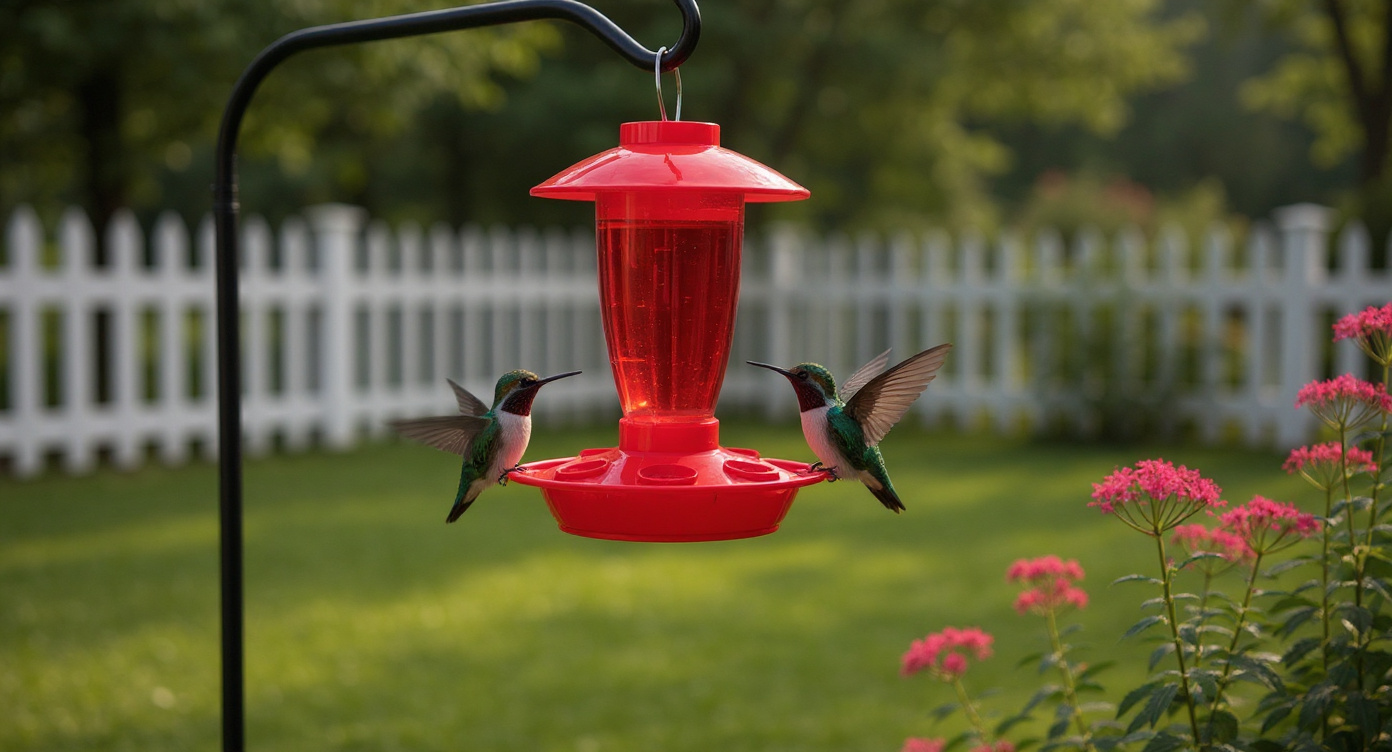
Every May in Ohio, the most anticipated backyard visitor of the season arrives — the ruby-throated hummingbird. The only hummingbird species to breed east of the Mississippi, it migrates north from Central America and Mexico each spring, with males reaching north-central Ohio in the first and second weeks of May, followed by females a few days later. They are remarkably loyal to the yards and feeders they used before. If a feeder was there when they arrived last year, they'll look for it again this year. If yours wasn't ready — or if a neighbor's was up first — that's where they'll go. The window to make your yard part of a ruby-throat's seasonal routine opens right now, and it starts with a clean feeder filled with fresh nectar. Perky-Pet Grand Master Hummingbird Feeder (48 oz) is available at Liberty Farm, Home & Garden in Galion, Ohio — large enough to handle a yard full of hungry hummingbirds without constant refilling, and designed for the kind of complete disassembly and thorough cleaning that successful hummingbird feeding actually requires.
When Do Ruby-Throated Hummingbirds Arrive in Ohio?
In north-central Ohio — the counties around Galion, Bucyrus, and Mansfield — ruby-throated hummingbirds typically begin arriving during the first week of May, with the core of spring migration moving through between May 5 and May 20 most years. The timing tracks closely with bloom progression along the migration corridor, not air temperature alone, which is why birds often show up on schedule even in years with a cold or late spring.
Males arrive 7–10 days ahead of females and immediately establish feeding territories. A feeder already in place when the first male arrives makes your yard a known resource before he has staked his claim elsewhere. Females, arriving later and selecting nest sites for the breeding season, strongly prefer to nest near reliable food sources — which means early feeder placement significantly increases the chance that hummingbirds will not only visit your yard but set up residence through the summer.
Peak activity in Ohio continues through late July and early August. In August, juveniles born locally begin appearing at feeders alongside adults preparing for the southward migration. Pre-migration feeding activity intensifies noticeably as the season turns — birds that visited occasionally in June and July may visit constantly in August, building the fat reserves that fuel the migration. The last birds in north-central Ohio typically depart by mid to late September. The full season — first male arrival through last juvenile departure — spans roughly four to five months, making a well-maintained hummingbird feeder one of the longest-running backyard wildlife attractions available.
Why Your Feeder Setup Determines Whether Hummingbirds Stay
Hummingbirds are not passive visitors that will settle for whatever feeder is available. They are highly intelligent birds with strong site fidelity — they remember which yards and feeders reliably offered clean, fresh nectar, and they remember which ones didn't. The setup decisions you make at the start of the season have direct consequences for whether hummingbirds visit your yard occasionally or establish it as a regular stop.
Capacity and port count matter because hummingbirds are intensely territorial. A male ruby-throat will actively defend a feeder from competing birds, perching nearby and chasing away any hummingbird that approaches. A feeder with six ports spread around the circumference — like the Perky-Pet Grand Master — gives multiple birds simultaneous access points that are harder for a single territorial male to fully patrol. More birds can feed at the same time, which means your yard can support a larger hummingbird population and offer more activity during peak season.
Nectar freshness is equally critical and equally easy to underestimate. Hummingbirds will reject fermented nectar and quickly stop visiting a feeder that consistently offers degraded food. In Ohio's warm late spring and summer weather, nectar in a feeder can begin to ferment in as little as two to three days during heat waves. A feeder that is genuinely easy to disassemble and clean thoroughly — not just rinse — is one that actually gets maintained on schedule. That maintenance schedule is the single most important factor in whether hummingbirds stay and return.
The Perky-Pet Grand Master 48 oz Hummingbird Feeder
The Perky-Pet Grand Master Hummingbird Feeder (48 oz) has been one of the most widely used hummingbird feeders in North American backyards for decades. Its persistence in a market crowded with competitors comes from a design that addresses the core challenges of hummingbird feeding directly: enough capacity for active yards, enough ports for multiple birds, and a construction approach that makes proper cleaning actually practical.
Six flower-shaped feeding ports, each equipped with a perch, are evenly distributed around the circumference of the red base. Hummingbirds don't need perches — they hover naturally and are capable of feeding that way for as long as needed — but perches allow them to rest while drinking, conserving the enormous energy that sustained hovering requires. A ruby-throat's heart can beat over 1,200 times per minute during hovering flight; opportunities to rest while feeding are genuinely useful. With ports on all sides, multiple birds can access the feeder simultaneously without competing for the same position.
The bottle is made from clear, shatterproof plastic. The transparency is functional rather than decorative: it lets you monitor nectar levels from across the yard without approaching and disturbing feeding birds, so you can gauge whether a refill is needed before birds arrive to find an empty feeder. The shatterproof construction handles drops during cleaning, wind events, and Ohio's variable weather without cracking — a practical advantage over glass feeders in active backyard settings with regular handling.
The wide-mouth bottle design makes filling straightforward and clean. Feeders with narrow necks require funnels or careful pouring and result in spilled nectar and sticky surfaces that attract ants and insects; the Grand Master's wide opening accepts a direct pour from a pitcher or measuring cup without difficulty. The same opening gives cleaning brushes unobstructed access to the interior of the bottle for thorough scrubbing.
Most importantly: the entire feeder disassembles for complete cleaning. The bottle separates from the base; individual feeding ports can be removed. Every surface that contacts nectar — including the crevices around port openings where mold and fermentation residue accumulate fastest — is accessible for scrubbing. This design decision is not a convenience feature. It is what makes maintaining the feeder to a standard that hummingbirds will consistently accept actually achievable rather than theoretical.
Other Perky-Pet Feeders Available at Liberty Farm, Home & Garden
If the Grand Master's 48 oz capacity exceeds what your yard traffic warrants, or if glass construction is your preference, the Perky-Pet hummingbird feeder line includes options for different yard sizes and aesthetics.
The Perky-Pet Wine Base Glass Hummingbird Feeder (30 oz) combines glass construction with a smaller nectar capacity that suits yards with one to four regular hummingbird visitors. At that level of traffic, a 30 oz feeder means nectar turns over completely before it has time to ferment — the smaller volume gets used and refreshed naturally without requiring extra cleaning vigilance. Glass doesn't discolor or develop the surface changes that some plastics show over years of outdoor use, and many birders simply prefer the appearance of glass in a garden setting. The wine-base form factor is an elegant design that sits naturally among garden plantings.
The Perky-Pet Adjustable Perch Glass Hummingbird Feeder offers glass construction with perch positions that can be adjusted to customize how birds approach the feeder and to optimize viewing angles from a specific window, deck, or garden seating area. For households where watching hummingbirds is a regular activity and feeder positioning relative to a prime viewing spot matters, adjustable perch configuration adds practical value.
For yards that are starting with hummingbird feeding for the first time, or for adding a second feeder in a different area of the yard to reduce territorial conflicts, the 30 oz glass options provide a lower nectar-volume commitment while you learn your yard's traffic patterns through the season.
Stopping Ants Before They Take Over: The Perky-Pet Ant Guard
Any outdoor hummingbird feeder attracts ants. Sugar water is precisely what ant scouts are programmed to locate, and once a trail is established from the ground to the feeder, the infestation develops rapidly — sometimes within hours. Ants in the nectar make the feeder unacceptable to hummingbirds, which will abandon an ant-covered feeder rather than fight through insects to drink. Resolving an established ant infestation requires complete feeder disassembly and thorough cleaning, followed by prevention measures that should have been in place from the start.
The Perky-Pet Ant Guard for Hummingbird Feeders solves the problem mechanically, without chemicals. It hangs in-line between the mounting hook and the feeder — a small moat that you fill with plain water. Ants traveling down the hanging wire or chain to reach the feeder encounter the water-filled moat and cannot cross it. The physical barrier stops them before they reach the nectar. No chemical repellents, no sticky traps, no residue that can contaminate nectar, no ongoing cost beyond the minor water evaporation that requires occasional topping off during dry stretches.
Timing matters: install it before ants find the feeder. Once a large foraging trail is established, you need to clean the feeder completely, remove the ants, and then install the guard — all before refilling. Installing the guard at the start of the season, before any ant activity, prevents the problem from developing in the first place. In Ohio's warm months from May through September, when ant activity is at its peak, a moat guard on every feeder from the first day of the season is the right approach.
Making Hummingbird Nectar: The Only Recipe You Need
The correct hummingbird nectar formula is one part plain white granulated sugar dissolved in four parts water — a 1:4 ratio. This concentration most closely approximates the natural sucrose content of the flower nectar that ruby-throated hummingbirds evolved to consume and provides the right energy density. Stronger concentrations stress the birds' kidneys; weaker concentrations provide less energy and may be less attractive to foraging birds.
What does not belong in hummingbird nectar:
- Honey. Honey ferments extremely rapidly and can cause candidiasis — a fatal fungal infection affecting the tongue and beak — in hummingbirds. It should never replace white sugar.
- Red food dye. There is no evidence that red dye attracts hummingbirds, and some research suggests that artificial dyes may be harmful at the concentrations that accumulate in nectar. The red color on the feeder itself is the visual attraction signal hummingbirds respond to — no dye needed.
- Artificial sweeteners. Zero-calorie sweeteners provide no energy and hummingbirds appear capable of detecting and rejecting non-caloric solutions. They offer the birds nothing useful.
- Raw sugar, turbinado, or brown sugar. These contain molasses and other compounds beyond sucrose that may be harmful and will cause nectar to ferment and cloud faster than plain white sugar.
- Organic sugar. Processed differently from conventional white sugar, with variable minor content that can affect fermentation rate. Plain white granulated sugar is the correct choice regardless of other household food preferences.
To prepare: dissolve one cup of white granulated sugar in four cups of water. Warm water speeds dissolving but is not strictly required — thorough stirring in room-temperature water works fine. Cool the nectar to room temperature before filling the feeder. Store unused nectar covered in the refrigerator for up to two weeks.
Where to Hang Your Feeder for Maximum Hummingbird Activity
Placement decisions affect both how quickly hummingbirds discover the feeder and how consistently they use it through the season.
Partial shade, especially in the afternoon. Direct western afternoon sun heats the feeder and significantly accelerates nectar fermentation, potentially reducing the usable nectar window from three to four days down to one to two during Ohio's July and August heat. Morning sun is fine — it helps dry dew and warms birds after cool nights — but afternoon shade extends nectar quality and makes the feeding environment more comfortable during peak summer heat.
Near tubular flowers when possible. Ruby-throated hummingbirds navigate by visual cues, and red and orange tubular flowers — salvias, trumpet vine, cardinal flower, bee balm, petunias — are the shapes and colors they've evolved to associate with nectar. A feeder placed near blooming plants gets noticed faster by newly arriving birds working the landscape for food. It also creates the habitat layering that makes a yard genuinely attractive as seasonal breeding territory: flowers plus feeder signals a yard with multiple reliable food sources.
Visible from where you spend time. Hummingbirds are among the most entertaining feeder visitors in any Ohio backyard — fast, audible (their wings produce a distinctive hum at 50–80 beats per second), and frequently engaged in dramatic aerial territorial chases. A feeder visible from a window, deck chair, or garden seating area turns hummingbird feeding from a passive background activity into one of the better forms of summer entertainment available without leaving your property.
Separated from busy seed feeders. Hummingbirds avoid areas where large numbers of other bird species congregate. A feeder surrounded by house sparrows and starlings will see less hummingbird use. Maintain at least 15–20 feet of separation from a heavily trafficked seed feeder.
Multiple feeders reduce territorial conflict. If one dominant male is monopolizing your feeder and chasing away every other hummingbird, placing a second feeder around the corner of the house — out of the first feeder's line of sight — prevents the territorial bird from patrolling both simultaneously. Two feeders in different sight lines often effectively doubles the number of hummingbirds using the yard.
The Cleaning Schedule That Keeps Hummingbirds Coming Back
No aspect of hummingbird feeding matters more than consistent, thorough feeder cleaning. Hummingbirds will abandon feeders that offer fermented nectar or show signs of mold — and once they establish a pattern of avoiding a specific feeder, reestablishing it as a regular stop can take weeks. Staying ahead of fermentation with a cleaning schedule tied to temperature is the most important maintenance practice in the season.
Cleaning frequency should track weather:
- Below 70°F (May, early June, September): Change nectar and clean every 4–5 days.
- 70–80°F (late June, early September): Change nectar and clean every 3–4 days.
- Above 80°F (July and August): Change nectar and clean every 2–3 days. During heat waves above 90°F, daily nectar changes may be needed to maintain quality.
Each nectar change should include a complete cleaning cycle:
- Empty remaining nectar completely — do not add fresh nectar on top of old.
- Disassemble the feeder fully: bottle from base, feeding ports removed individually.
- Rinse all parts with hot water.
- Scrub with a bottle brush, paying close attention to the feeding ports and any crevices where mold begins accumulating first.
- Rinse thoroughly until water runs completely clear — multiple rinse cycles are not excessive. Soap residue can harm hummingbirds, so thorough rinsing is not optional.
- Reassemble and fill with fresh nectar cooled to room temperature.
A deeper cleaning with diluted white vinegar (1 part vinegar to 4 parts water) or a 10% bleach solution (1 part bleach to 9 parts water) should be done at the start of the season, at the end of the season before storage, and any time visible mold — dark spots inside the bottle or base — appears. After a bleach cleaning, rinse until there is no detectable bleach odor before refilling.
Come Find Perky-Pet at Liberty Farm, Home & Garden
The Perky-Pet Grand Master Hummingbird Feeder (48 oz), the Wine Base Glass Hummingbird Feeder (30 oz), the Adjustable Perch Glass Hummingbird Feeder, and the Perky-Pet Ant Guard are all in stock at Liberty Farm, Home & Garden in Galion, Ohio. Ruby-throated hummingbirds are arriving in Ohio right now. The feeder that's ready when they get here is the one they come back to — all season long.
Frequently Asked Questions
Keep Reading
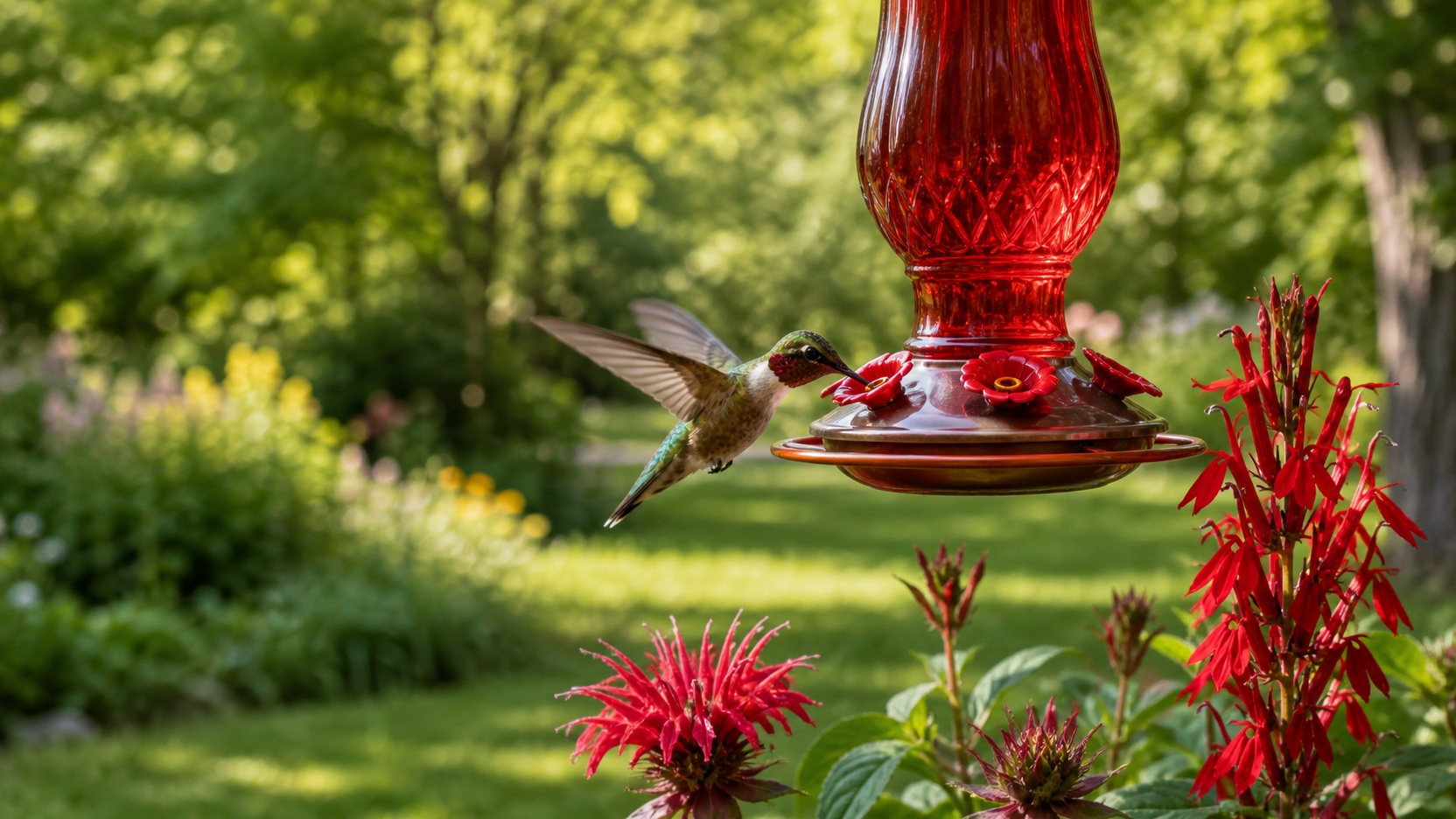
Keep the Feeder Up: An Ohio Guide to Fall Hummingbird Migration
Learn when to take down hummingbird feeders in Ohio, how to mix safe nectar, and how often to clean during late-summer migration near Galion.
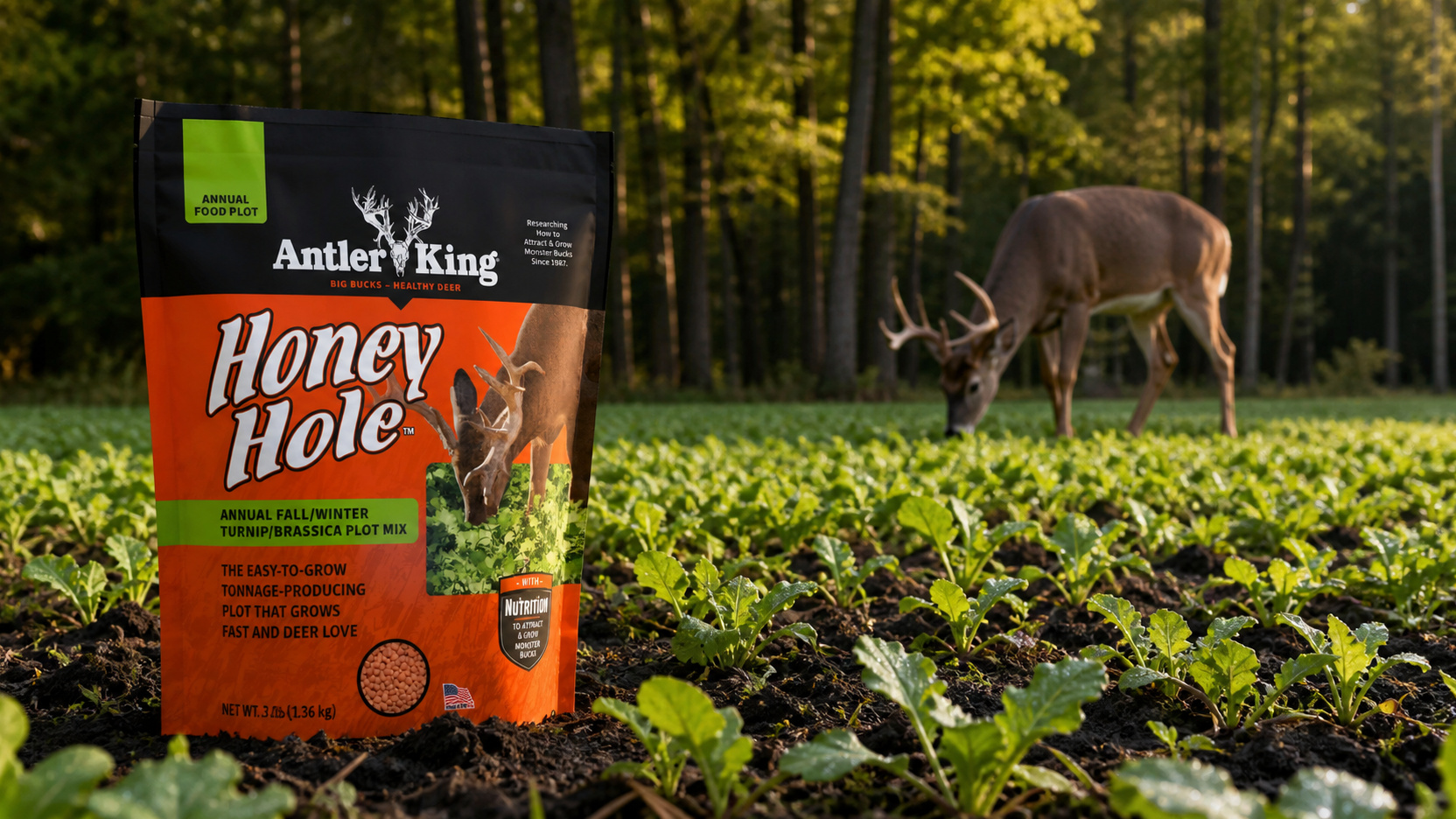
Planting Fall Deer Food Plots in Ohio: An August Field Plan
Plan an Ohio fall deer food plot with soil testing, smart seedbed prep, mix selection, and local tips from Liberty Farm, Home & Garden in Galion.