
When the Orioles Arrive: A Complete Guide to Feeding Baltimore Orioles in Ohio
Nectar recipes, feeder placement, timing, and why the Heath Tear Drop Oriole Feeder is the right choice for backyard birders across central Ohio
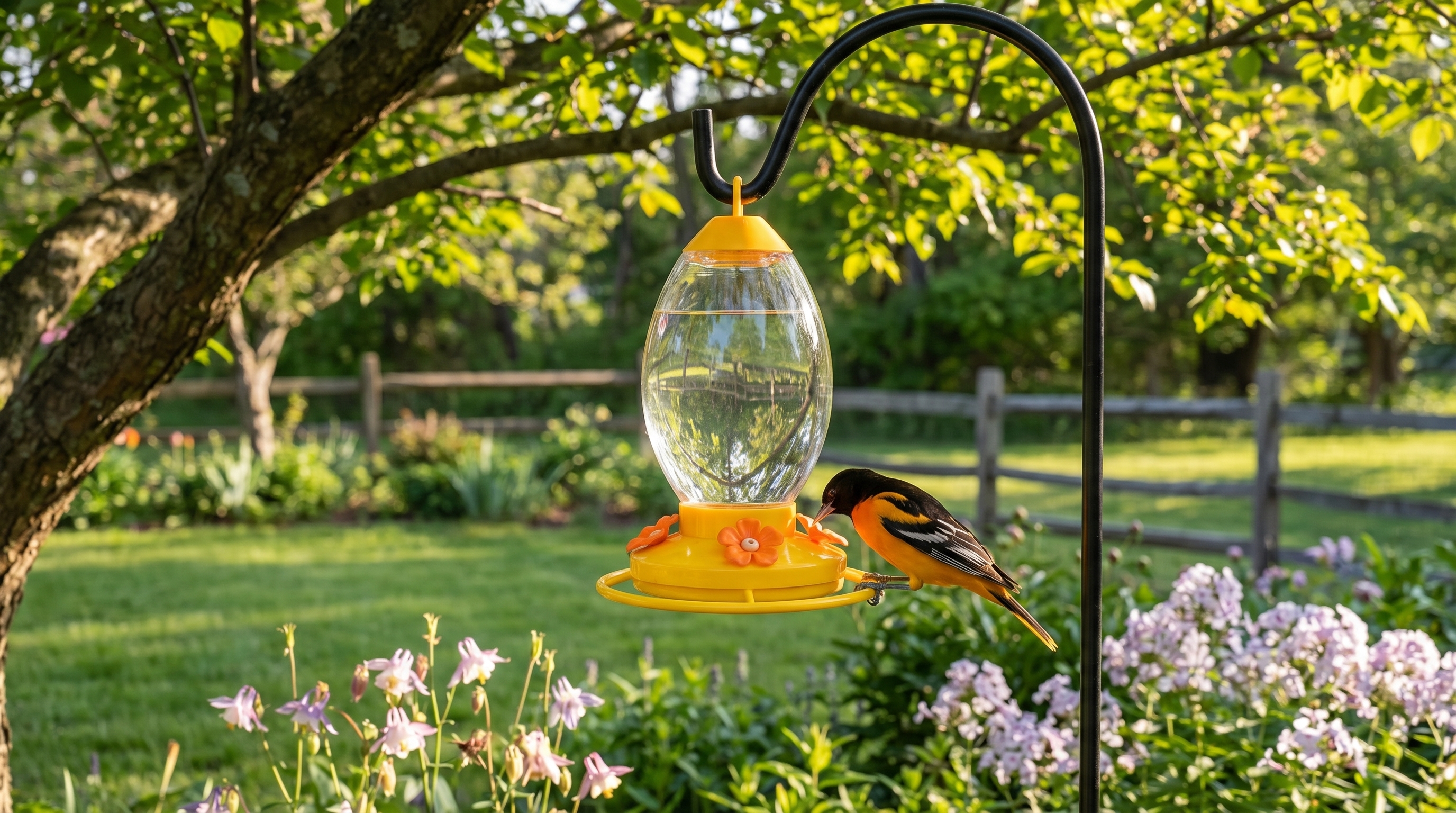
There is a specific kind of spring morning in central Ohio — mid-May, warm overnight, dew still on the grass — when a flash of burnt orange lands in the treetops and a rich, fluty whistle cuts across the yard. That's your first Baltimore oriole of the year, and whether it stays to nest nearby or just passes through on its way north depends significantly on what you've put out to welcome it. Orioles are not picky birds, but they are fast. They move through in a wave during the last two weeks of April and the first two weeks of May, and if your feeder isn't up and filled when they arrive, they'll simply move on to someone else's yard. The Heath Tear Drop Oriole Feeder is designed around how orioles actually feed: multiple ports, a full perch ring for comfortable feeding, and a 32-ounce reservoir that gives you several days of capacity without daily refilling. We carry it at Liberty Farm, Home & Garden in Galion, Ohio.
Baltimore Orioles in Ohio: What You're Working With
The Baltimore Oriole (Icterus galbula) is Ohio's most spectacular migratory songbird — males in full breeding plumage are a combination of deep flame orange and jet black that genuinely doesn't look like it belongs in the Midwest. They winter in Central America, the Caribbean, and the northern tip of South America, then make the long flight north each spring, arriving in Ohio reliably between April 25 and May 10. Some years a few scouts show up in the third week of April, which is why having your feeder up by April 15 is the safe call.
Baltimore orioles nest in Ohio throughout the summer. A mated pair will raise one brood, with the female building the distinctive long, woven pouch nest that hangs from the tip of a drooping tree branch — often an elm, cottonwood, or sycamore over a road or clearing. The nest takes about a week to build and is one of the most intricate bird nests constructed by any North American species. By mid-July, young birds have fledged and the family begins moving toward staging areas before the southbound migration starts in earnest in August.
The window to enjoy them at a feeder is roughly mid-April through late July — about fourteen weeks if you're set up early and maintain the feeder well. Get it right and you can have multiple orioles visiting daily from May through July. Miss the early arrival and you may see scattered visits but nothing like the traffic that rewards prepared feeders.
What Baltimore Orioles Actually Eat
Orioles are omnivores with a strong preference for sweet foods and protein. Understanding their diet helps you provide the right offerings at the right times through the season.
Sugar water (nectar) is the most reliable attractant at a feeder. The correct formula is simple: four parts water to one part plain white granulated sugar, dissolved completely. This mimics the natural sugar concentration of the flower nectar that orioles consume in their tropical wintering habitat. A 4:1 ratio is correct — do not use a 3:1 ratio (too sweet, can damage the kidneys of birds that drink it exclusively) and never use a 2:1 ratio. One part sugar to four parts water. That's the formula.
Fruit is a powerful secondary attractant, particularly early in the season before insects are abundant. Orange halves are the traditional offering, and they work — orioles are drawn to the color orange as well as the sweet flesh and juice. Grape jelly is equally effective and often more popular later in the season when breeding birds are looking for quick, calorie-dense food to sustain chick-rearing. Offer jelly in a small dish or a feeder designed for it; a tablespoon or two at a time is sufficient — fresh is always better than a fermenting jar that's been sitting in the sun for a week.
Insects are the primary food source for oriole nestlings. Adult orioles actively hunt caterpillars, beetles, and other invertebrates throughout the nesting season, and a yard with mature trees (especially native oaks and elms, which support high caterpillar diversity) is substantially more attractive to nesting orioles than a yard of lawn grass and ornamental plantings. You can't put insects in a feeder, but you can plant natives and reduce pesticide use to support the invertebrate prey that makes your yard worth nesting near.
| Food Type | When Most Effective | How to Offer |
|---|---|---|
| Sugar water (4:1) | Arrival through departure | Nectar feeder — change every 2–3 days in warm weather |
| Orange halves | Arrival through mid-June | Impaled on a spike or set in a dish at the feeder station |
| Grape jelly | Arrival through July — most popular in June | Small dish; 1–2 tbsp at a time; replace daily in heat |
| Caterpillars / live insects | Peak nesting (May–June) | Support native plantings; not offered in feeders |
| Dried mealworms | Early spring, cold snaps | Shallow dish near feeder; less popular than nectar and fruit |
The Heath Tear Drop Oriole Feeder: What Makes It Work
The Heath Tear Drop Oriole Feeder is built around four features that matter for actually attracting and retaining orioles at a backyard feeder station.
The 32-ounce reservoir is the right size for a household feeder. Large enough that you're not refilling every day, small enough that nectar cycles through before it spoils in summer heat. At typical summer temperatures in Ohio (mid-70s to mid-80s Fahrenheit during oriole season), nectar should be changed every two to three days. A 32-ounce capacity aligns well with that maintenance rhythm — if you're getting regular visitors, the nectar is being consumed and refreshed at a rate that naturally manages freshness.
The four feeding ports allow multiple orioles to feed simultaneously without competing for a single port. Orioles at peak arrival — the last week of April through the second week of May — can show up in small flocks of three to six birds at once. A feeder with a single port creates a bottleneck that frustrates birds and leads to territorial disputes that drive less dominant individuals away. Four ports mean four birds can feed side-by-side, which is exactly what you want when the migration wave is moving through.
The full perch ring is the detail that separates oriole-specific feeders from feeders that claim to be for orioles. Baltimore orioles are large songbirds — significantly bigger than a house finch or even a house sparrow. They need a perch long enough to settle their full body weight comfortably while feeding. A ring that encircles the feeder base gives birds the option to grip the perch at any point around the circumference, approach from any angle, and feed at the port nearest to where they've landed. This matters. Orioles at a poorly designed feeder with inadequate perching look awkward and leave faster. Orioles at a well-designed perch ring settle in, feed, preen, and linger — which is exactly the show you set up the feeder for.
The wire hanger is included and ready to go — no trip to the hardware store required. Hang it from a shepherd's hook, a tree branch, a fence post bracket, or an existing feeder pole. The teardrop shape and orange color of the feeder itself are visual attractants: orioles orient to orange, and the shape echoes the pendant nests they build, which may contribute to how quickly they find and accept a new feeder.
Where to Put the Oriole Feeder
Placement matters more than almost any other variable in getting orioles to actually use a feeder rather than just fly past it. Orioles are wary birds at new food sources — they are used to foraging high in tree canopies and will not always drop to a low or exposed feeder right away. Getting placement right shortens the discovery time significantly.
Hang the feeder at eye level or slightly above — six to eight feet off the ground is ideal. Higher than that and you lose the viewing pleasure; lower and orioles may be nervous about approaching near foot-traffic level. A shepherd's hook in a garden bed or on the edge of a lawn is perfect. Hanging from a tree branch works well if the branch is at the right height and the location has open sightlines — orioles want to be able to see their surroundings while feeding.
Proximity to trees is an asset for orioles in a way it isn't for some other feeder birds. Orioles are tree canopy birds; they're comfortable near large trees and use them as staging areas before dropping to the feeder. A feeder hung near a mature elm, cottonwood, or oak — especially a tree with drooping outer branches that might serve as nest sites — is in the best possible location. If you're in a yard without large trees, hang the feeder in a sheltered area near any woody plants that provide cover.
Keep it visible from multiple angles, and keep the area directly around the feeder open enough that approaching birds can see it's safe. A feeder completely surrounded by dense shrubs may go unnoticed during the first few days when orioles are scanning from treetops for orange-colored resources. Once discovered, orioles will return reliably — but that first discovery depends on the feeder being visually accessible from above.
| Placement Factor | Recommendation | Why |
|---|---|---|
| Height | 6–8 feet off ground | Comfortable for wary orioles; good viewing angle |
| Proximity to trees | Near large trees preferred | Orioles stage in canopy before dropping to feeder |
| Visibility from above | Open sightlines; avoid dense shrubs | Orioles spot feeders from treetops on arrival |
| Sun exposure | Partial shade in afternoon | Slows nectar fermentation on hot summer days |
| Distance from other feeders | 6–10 feet from seed feeders | Reduces competition with other species |
| Distance from windows | At least 3 feet or more than 30 feet | Prevents window strikes at moderate distances |
Nectar Freshness: The Most Important Maintenance Job
The single biggest mistake oriole feeder owners make is not changing the nectar frequently enough. Orioles are attracted to fresh nectar — the same 4:1 sugar-water solution that smells faintly sweet and clean when you fill the feeder. That same nectar, after three days in 80-degree heat, has begun to ferment: it clouds, develops a slightly sour smell, and can contain yeast and bacteria that are harmful to birds. Orioles that visit a feeder with spoiled nectar will stop coming — and some will never return to that feeder location.
The maintenance schedule is simple: change nectar every two to three days during warm weather (above 70°F), every four to five days in cooler conditions (below 60°F). When you change the nectar, rinse the reservoir and ports with hot water. Every week or so, use a bottle brush and a dilute vinegar solution (one part white vinegar to nine parts water) to scrub any residue from the interior, then rinse thoroughly before refilling. Never use soap inside a nectar feeder — soap residue is off-putting to birds and difficult to remove completely.
The teardrop shape of the Heath feeder is easy to disassemble and clean — a practical design feature that makes the real-world maintenance schedule achievable. A feeder that's difficult to clean is a feeder that doesn't get cleaned, and a feeder that doesn't get cleaned stops attracting birds within a week or two of a warm spell.
Running an Oriole Feeder Station
The most productive approach to oriole feeding isn't a single nectar feeder — it's a small station combining nectar, fruit, and jelly that creates a one-stop resource for arriving birds. Orioles that find everything they need in one spot are far more likely to establish a daily feeding routine at your yard than birds that visit once for nectar and move on.
A full oriole station typically includes: a nectar feeder like the Heath Tear Drop Oriole Feeder as the anchor; a spiked orange holder or a small flat tray for orange halves; and a small jelly dish. These can all hang from the same shepherd's hook using extension arms, or be placed within a few feet of each other on separate hooks or brackets. The proximity is part of the attraction — birds that find one element of the station quickly discover the others.
Grape jelly deserves special attention because it consistently generates the most excitement once orioles discover it. A tablespoon of fresh grape jelly in a small bright dish can produce near-frantic visiting behavior from orioles, especially during the chick-rearing weeks of June when adults are looking for fast, calorie-dense food. Keep jelly portions small and replace them daily — jelly left in a dish for more than a day in warm weather ferments rapidly and should be discarded, not offered to birds.
Attracting Other Birds with a Nectar Feeder
The Heath Tear Drop Oriole Feeder may attract more than just orioles. Ruby-throated hummingbirds — which arrive in Ohio at roughly the same time as orioles — will visit nectar feeders if the ports are accessible to them, though hummingbird-specific feeders with smaller ports are better suited to hummingbirds as a primary target. A Perky-Pet Double Decker Hummingbird Feeder nearby creates a complementary station that serves both species simultaneously without one outcompeting the other.
House finches and catbirds will also visit for sugar water, and gray catbirds — late-arriving migrants that share the orioles' fondness for fruit and jelly — are common secondary beneficiaries of an oriole station. Catbirds will eat grape jelly with just as much enthusiasm as orioles and will often arrive at the station within days of the orioles discovering it.
For seed-eating birds, a Nature's Yard Triple Twist Tube Feeder or an Audubon Combination Hopper Feeder placed nearby rounds out a complete multi-species feeding station. Orioles don't eat seed, so there's no competition — these feeders serve the chickadees, nuthatches, finches, and sparrows that share your yard without drawing resources away from the oriole setup.
End of Season: When to Take Down the Feeder
Baltimore orioles in Ohio begin their southward migration in late July and early August. Adult males often leave first; females and juvenile birds follow through August and into early September. By Labor Day, the vast majority of orioles have left Ohio for the year.
Keep your nectar feeder up through the end of August. Migrating birds moving south in August will use any available nectar source, and having your feeder active through the full migration gives late-departing birds a fuel stop. There is no truth to the claim that keeping hummingbird or oriole feeders up in fall "prevents birds from migrating" — migration timing is driven by photoperiod (day length), not food availability. A late-season feeder helps birds, not harms them.
Once you take the feeder down, clean it thoroughly, dry it completely, and store it inside for the winter. A nectar feeder stored dry indoors lasts many seasons; one left outside through an Ohio winter with residual moisture will crack, warp, and fail within a few years. Clean storage is the simplest way to protect the investment.
Related Products at Liberty Farm, Home & Garden
For a complete oriole and spring birding setup, these products are available at Liberty Farm, Home & Garden:
- Perky-Pet Double Decker Hummingbird Feeder (26 oz) — Pair with the oriole feeder for a combined nectar station that serves both species simultaneously. Ruby-throated hummingbirds arrive at the same time as orioles and will compete less when each species has its own dedicated feeder.
- Nature's Yard Triple Twist Tube Feeder (Red) — A compact three-port tube feeder for black oil sunflower or nyjer seed; rounds out a multi-species backyard feeding station without competing with orioles for resources.
- Nature's Yard Triple Twist Tube Feeder (Yellow) — Same design in yellow; particularly effective at attracting American goldfinches that share Ohio spring migration timing with orioles.
- Audubon Combination Hopper & Seed Scoop Feeder — A platform-style hopper feeder suited for sunflower, safflower, or a mixed seed blend; serves cardinals, jays, and other birds that share the yard with orioles throughout spring and summer.
Keep Reading
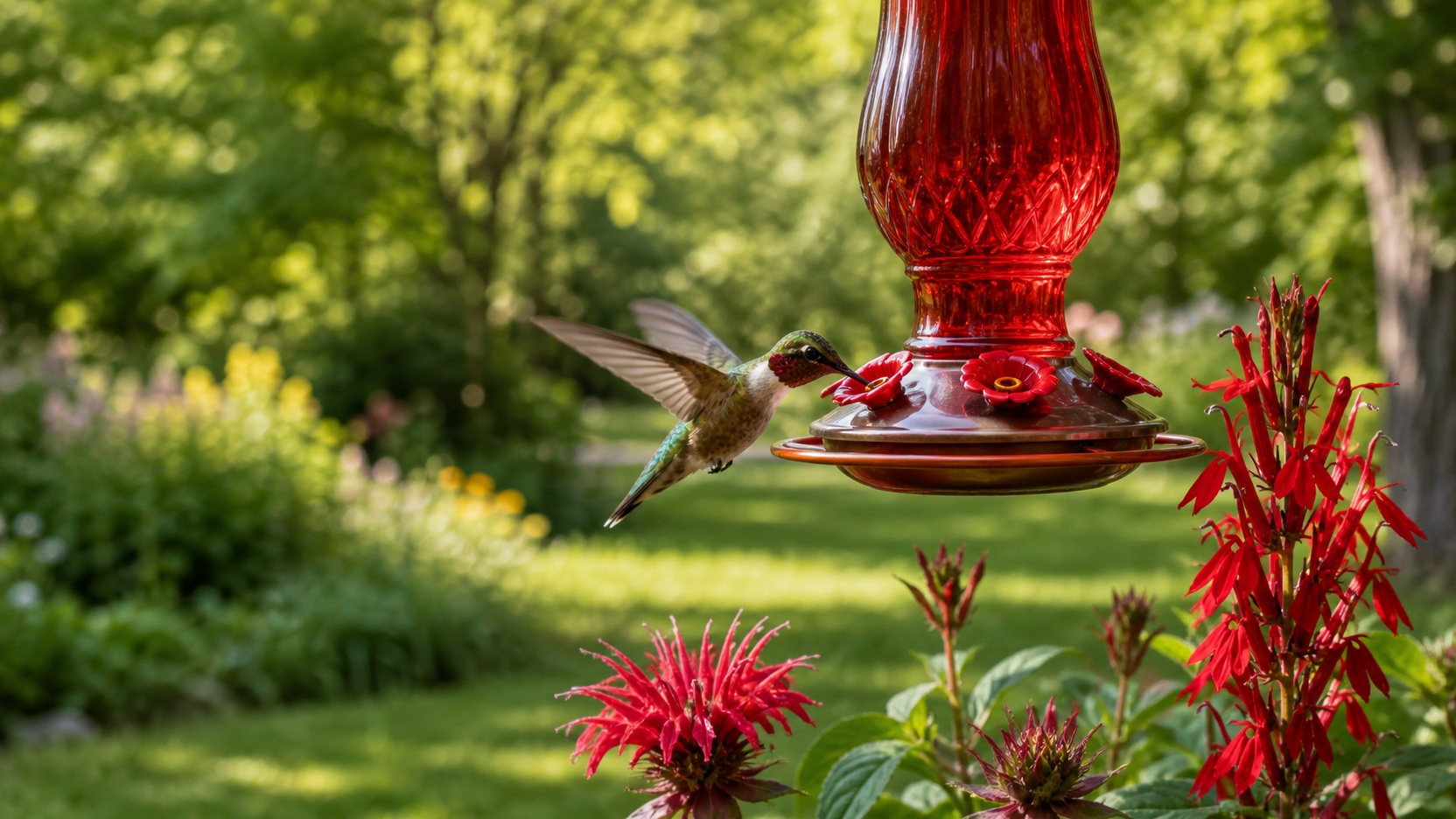
Keep the Feeder Up: An Ohio Guide to Fall Hummingbird Migration
Learn when to take down hummingbird feeders in Ohio, how to mix safe nectar, and how often to clean during late-summer migration near Galion.
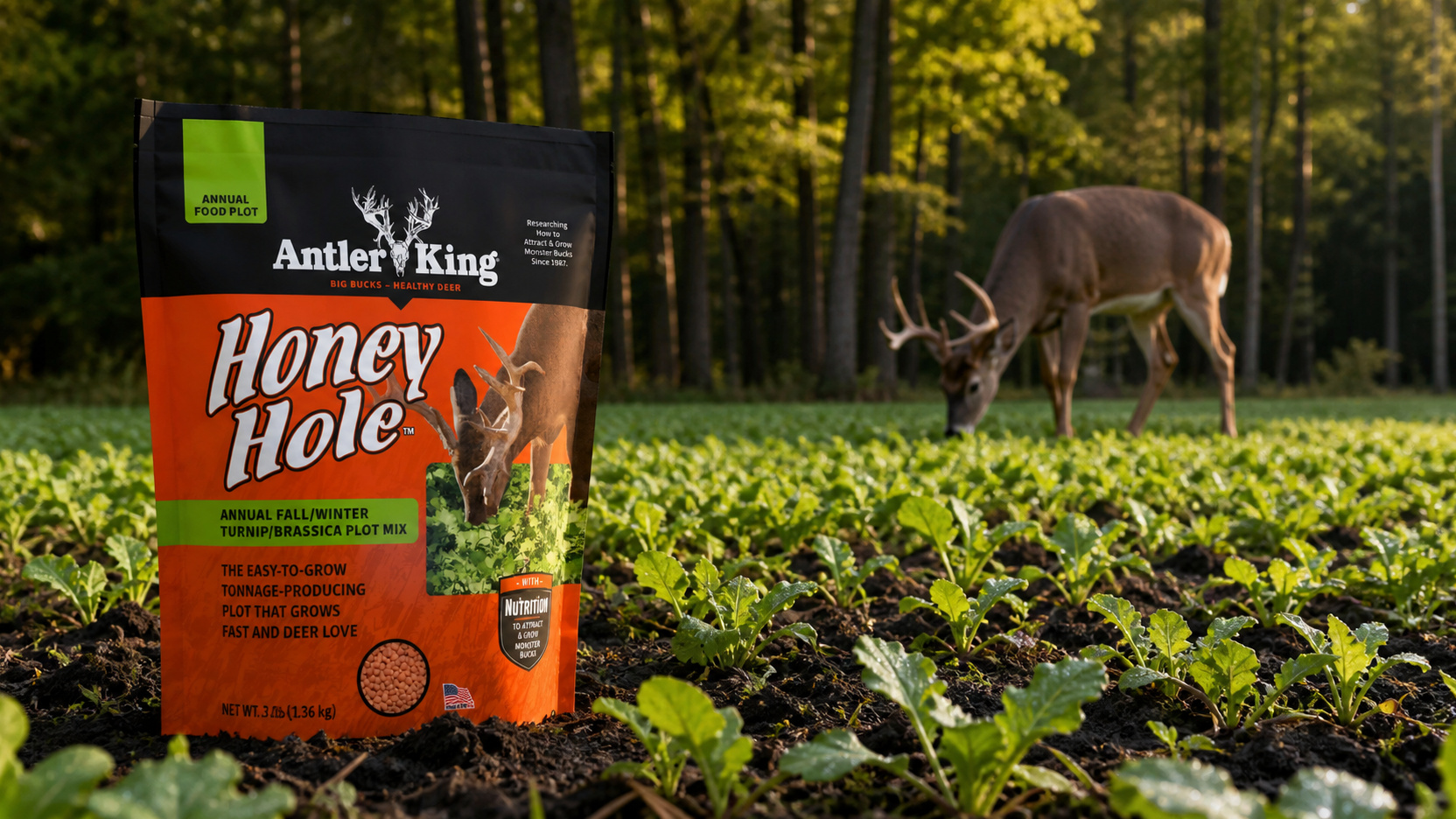
Planting Fall Deer Food Plots in Ohio: An August Field Plan
Plan an Ohio fall deer food plot with soil testing, smart seedbed prep, mix selection, and local tips from Liberty Farm, Home & Garden in Galion.