
Bone Meal, Blood Meal, or Both? How Hi-Yield Bone & Blood Meal Feeds Your Garden the Organic Way
A practical guide to the classic organic fertilizer combo — what it does, when to use it, and how Hi-Yield's 6-7-0 formula delivers results without synthetic chemicals
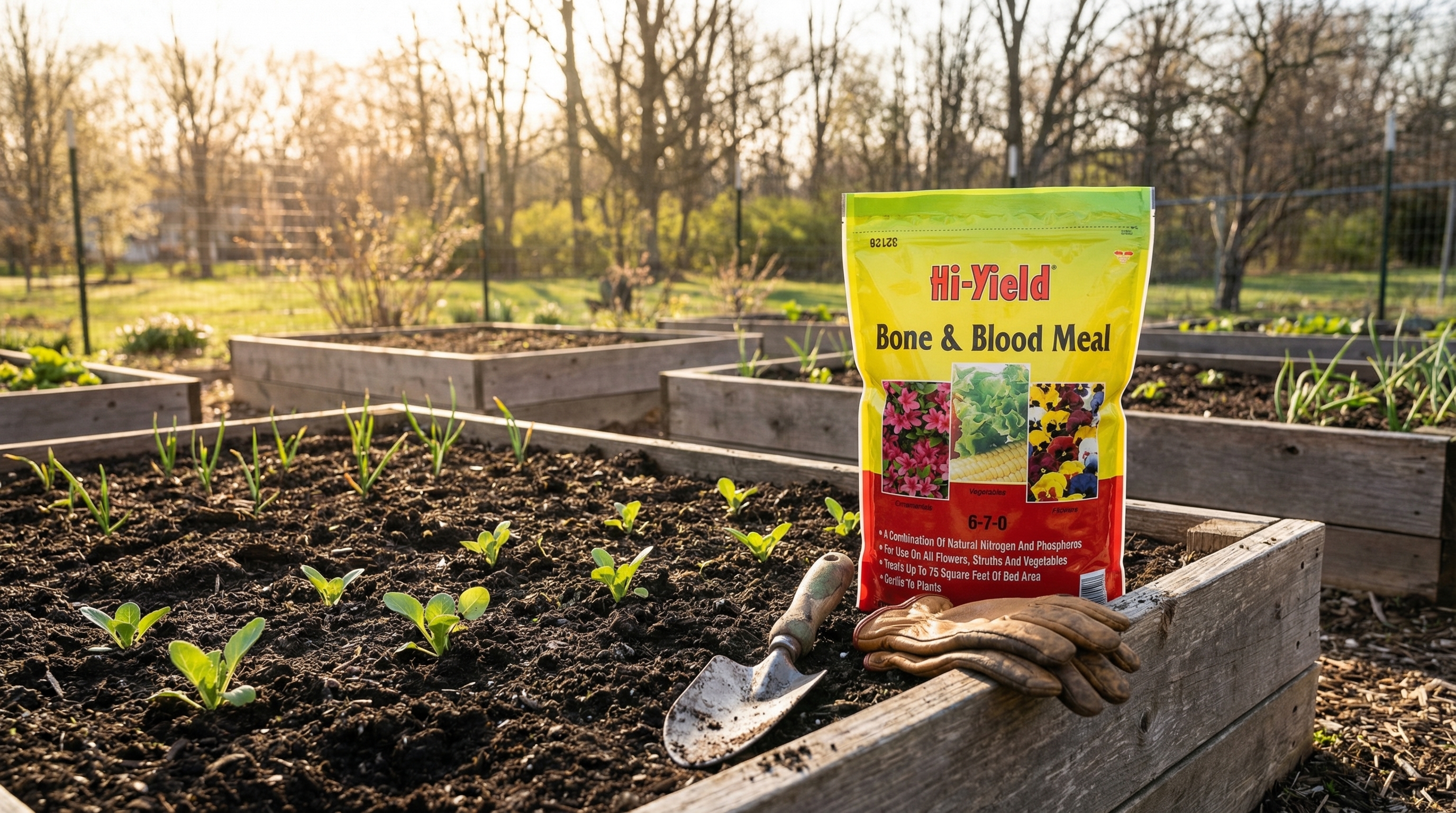
Most gardeners know they need to feed their plants — but the fertilizer aisle can be overwhelming. Synthetic granules, liquid concentrates, slow-release spikes, and organic amendments all promise results, and it's hard to know what actually works. For gardeners who want to do right by their soil and their plants without overcomplicating things, the answer has been the same for generations: blood meal and bone meal. These two classic organic amendments complement each other almost perfectly, and Hi-Yield Bone & Blood Meal 6-7-0 (3 lb) brings them together in a single, straightforward package. No synthetic chemistry, no guesswork — just targeted organic nutrition your soil can actually use.
What Is Blood Meal and What Does It Do?
Blood meal is exactly what it sounds like: dried blood, a byproduct of meat processing, ground into a fine dark powder. It's one of the highest-nitrogen organic fertilizers available — typically ranging from 12-13% nitrogen by weight in pure form. Nitrogen is the primary driver of vegetative growth, the nutrient responsible for the rich green color in leaves and the vigorous top growth that defines a healthy plant.
When blood meal is applied to soil, microbes break it down relatively quickly and convert the nitrogen to a form plants can absorb. The result is a fast-acting nitrogen boost — faster than compost or other organic amendments, though still slower than soluble synthetic nitrogen fertilizers. For leafy vegetables, heavy-feeding crops, and any plant that's showing nitrogen deficiency signs (pale leaves, slow growth, yellowing that starts at the bottom), blood meal delivers results within days to weeks.
There's an important tradeoff to understand: blood meal is powerful. Applied at excessive rates or to dry soil, it can burn plants. The nitrogen is real and concentrated, and it needs moisture and soil contact to be diluted and buffered properly. This is one reason pairing it with bone meal in a blended product is smart — the overall nitrogen percentage comes down to a manageable level.
What Is Bone Meal and What Does It Do?
Bone meal is made from ground animal bones, typically steamed to improve phosphorus availability. Its primary nutrient is phosphorus — the element most associated with root development, flowering, and fruit set. A secondary benefit is calcium, which bone meal provides in significant quantities and which plays a structural role in cell walls and fruit quality.
Unlike blood meal, bone meal is a slow-release amendment. Phosphorus in bone meal becomes available gradually as soil microbes and natural acidic conditions break down the calcium phosphate. This slow release is actually an advantage: phosphorus doesn't leach through soil the way nitrogen can, and it stays available in the root zone over an entire growing season. One application at planting or in early spring can feed a plant's phosphorus needs for months.
Bone meal is particularly valuable at transplanting time. When a plant is moved into a new location, its root system is under stress and actively trying to establish in new soil. A targeted dose of phosphorus in the planting hole gives those roots exactly what they need to grow strong and establish quickly. It's also essential for flowering plants, bulbs, and fruiting vegetables — any situation where the goal is flowers and fruit rather than just green mass.
Why the 6-7-0 Combination Works
The NPK analysis on the Hi-Yield Bone & Blood Meal 6-7-0 tells the story at a glance: 6% nitrogen from the blood meal, 7% phosphorus from the bone meal, and 0% potassium. That zero at the end is intentional — not a gap. Blood and bone are natural materials that don't contain significant potassium, and this formula doesn't try to be everything. It's a targeted N-P amendment for situations where nitrogen and phosphorus are what you need.
| Nutrient | Analysis | Source | Primary Role |
|---|---|---|---|
| Nitrogen (N) | 6% | Blood meal | Leafy growth, green color, vegetative vigor |
| Phosphorus (P) | 7% | Bone meal | Root development, flowering, fruit set |
| Potassium (K) | 0% | — | Not included; add separately if needed |
| Calcium | Present | Bone meal | Cell wall structure, fruit quality |
For most general garden applications — vegetable beds, flower borders, containers, and transplanting — N and P are the two most commonly deficient nutrients. Potassium can be supplemented separately if a soil test reveals a deficiency, or added through other amendments. The 6-7-0 profile keeps this product focused on what it does best without trying to be a complete fertilizer.
Best Uses for Bone & Blood Meal in the Garden
This product is versatile enough for most garden situations, but there are specific applications where it genuinely shines:
- Transplanting vegetables and flowers: Mix a small amount into the planting hole when setting out transplants. The phosphorus supports root establishment; the nitrogen feeds early growth. This is one of the most effective single uses of bone and blood meal in the garden.
- Spring soil amendment: Work it into garden beds in early spring before planting, or side-dress established perennials as they break dormancy. The nitrogen kicks growth into gear; the phosphorus is there for root and flower support all season.
- Vegetable gardens: Heavy-feeding crops like tomatoes, peppers, squash, corn, and brassicas benefit from the nitrogen boost, especially in mid-season when they're growing fast and fruit is setting.
- Flower bulbs: Bone meal in particular is a classic bulb amendment. Mix it into the planting hole at fall planting or apply to established bulb beds in early spring for improved bloom quality.
- Potting soil amendment: Add a small amount to homemade potting mixes to supplement the organic matter with available nitrogen and phosphorus. Most peat- and bark-based mixes are low in nutrients at mixing time.
- Container gardening: Containers run out of nutrients fast. A light application of blood and bone meal provides an organic mid-season boost without the salt buildup risk of concentrated synthetic fertilizers.
How to Apply Hi-Yield Bone & Blood Meal
Application rates vary by use case, but the general guidelines for most organic amendments apply: start conservative, water well after application, and don't apply to dry soil or drought-stressed plants.
| Application | Rate / Method | Notes |
|---|---|---|
| General bed preparation | 2-3 lbs per 100 sq ft, worked into top 4-6 inches | Best applied before planting season |
| Transplanting | 1-2 tablespoons mixed into planting hole | Mix thoroughly with soil — don't let roots contact undiluted meal |
| Side-dressing vegetables | Light sprinkling along row, scratched in | Water in after application |
| Containers / potting mix | 1-2 tbsp per gallon of mix | More is not better; containers concentrate nutrients |
| Bulb planting | 1-2 tbsp per planting hole | Mix into soil before placing bulb |
The most important rule with blood meal in particular: water it in. Blood meal is concentrated and will burn foliage or roots if it sits on the soil surface in dry conditions. Watering after application not only distributes the nutrient into the soil but also starts the microbial breakdown that makes nitrogen available to plant roots.
Comparing Blood & Bone Meal to Synthetic Fertilizers
Organic amendments like blood and bone meal work differently than synthetic fertilizers, and understanding the difference helps set realistic expectations.
Synthetic fertilizers provide nutrients in water-soluble form that plants can uptake almost immediately. The upside is speed; the downside is that water-soluble nitrogen is also easily leached from soil by rain and irrigation, and it bypasses the soil microbial community entirely. Heavy use of synthetic nitrogen over time can also suppress the beneficial soil biology that makes organic systems so productive.
Blood and bone meal rely on soil microbes to convert organic nitrogen and phosphorus into plant-available forms. This takes longer — typically days to weeks depending on soil temperature and moisture — but it also means the release is buffered and gradual. You can't cause a sudden nutrient spike or flush nutrients through the soil the way synthetic applications can. For long-term soil health, organic amendments consistently build a more productive growing environment than synthetic fertilizers alone.
Related Garden Products at Liberty Farm, Home & Garden
For gardeners building a complete organic fertility program, or those who need complementary soil amendments, here are a few other options available at Liberty Farm, Home & Garden:
- Granular Lime 40 lb — Raises soil pH in acidic soils. Blood meal is slightly acidifying over time; lime can counterbalance that in lawns and garden beds where pH is important.
- 19-19-19 Fertilizer 50 lb — A balanced synthetic fertilizer for situations where you need fast, complete N-P-K nutrition across a large area.
- Bonide Bontone Powder Rooting Hormone (1.25 oz) — Pairs well at transplanting time alongside bone meal to maximize root establishment on cuttings and transplants.
- BioAdvanced Tree and Shrub Protect & Feed Concentrate (32 oz) — Systemic feeding and pest protection in one product for ornamental trees and shrubs.
Frequently Asked Questions
Keep Reading
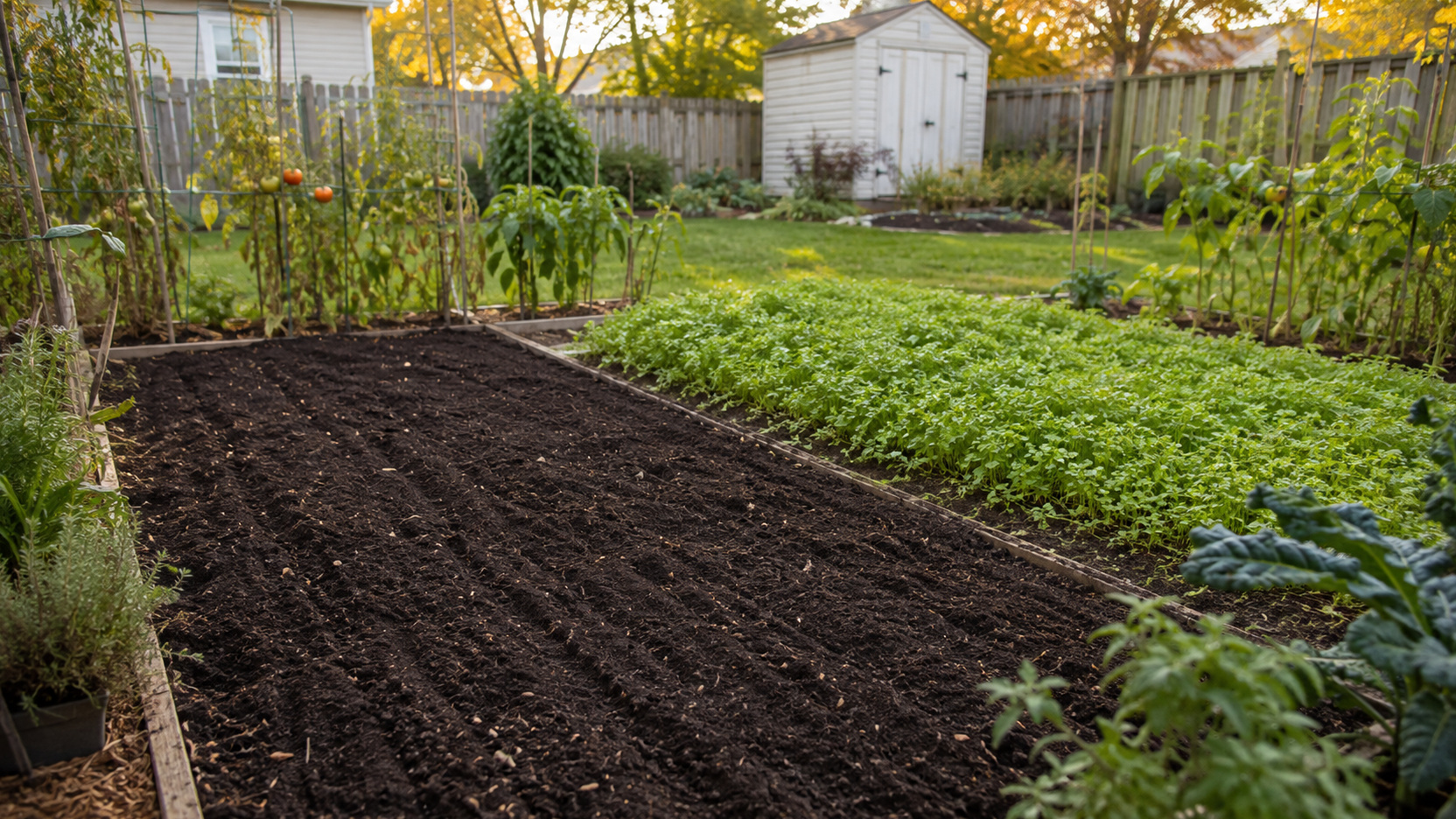
Plant Cover Crops Now: An Ohio Home Garden Guide
Plant fall cover crops in an Ohio vegetable garden with practical guidance on timing, species, seeding, winter care, and spring termination.
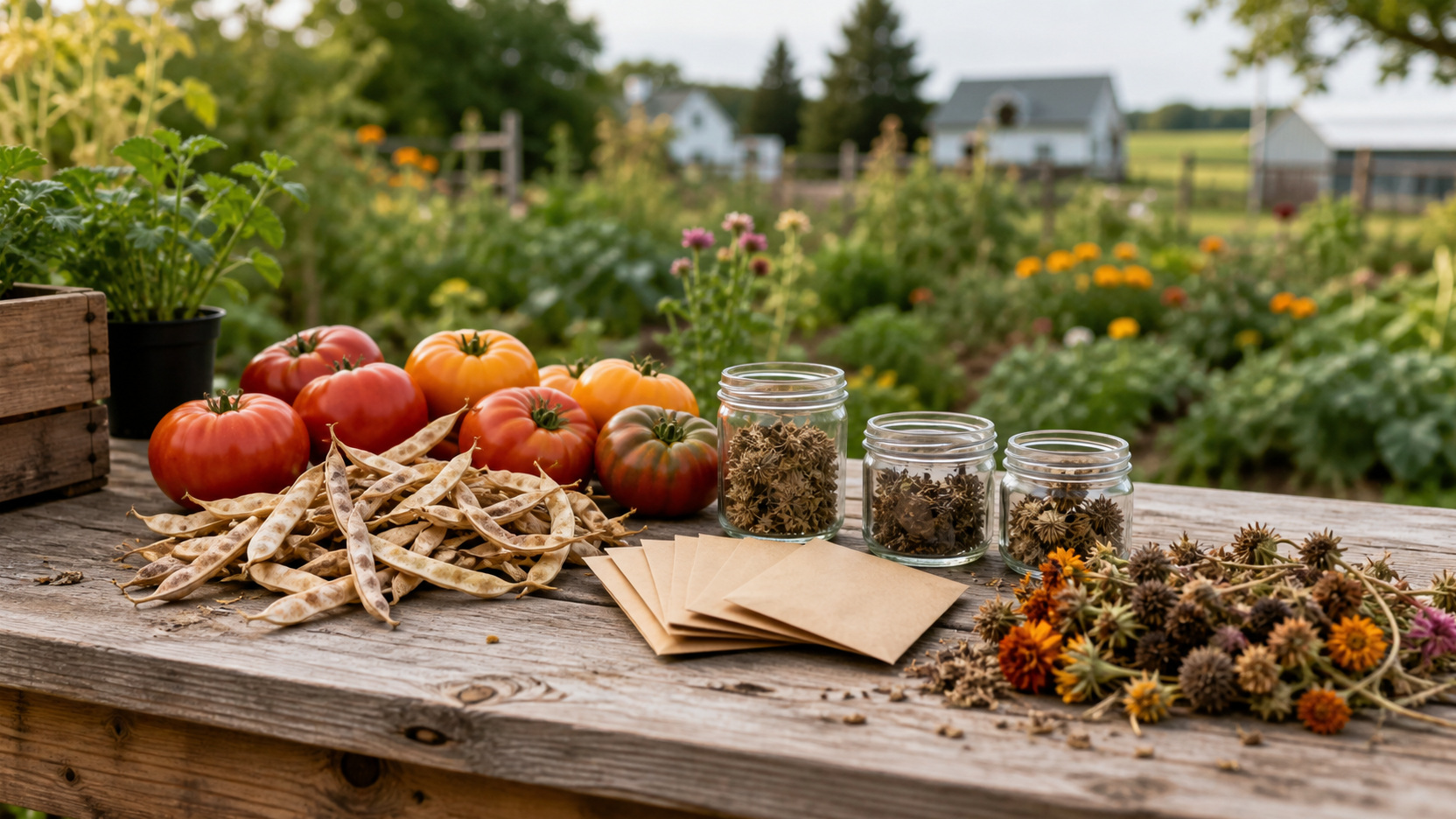
Save This Summer’s Garden: A Practical Ohio Seed-Saving Guide
Save tomato, bean, pea, lettuce, marigold, zinnia, and other garden seeds with this practical late-summer guide for Galion and north-central Ohio.