
The Organic Insecticide That Actually Works on Caterpillars and Beetles: A Complete Guide to Bonide Captain Jack's Deadbug Brew
How spinosad works, which garden pests it controls, why May is the most important window for application, and how to use Captain Jack's Deadbug Brew without harming the beneficial insects your garden depends on
Every Ohio garden reaches the same tipping point sometime in May: you walk out in the morning, check the tomato transplants you just put in the ground, and find the first signs of something eating them. A ragged hole in a leaf. A caterpillar curled up at the base of a pepper plant. Tiny stippling damage on a cucumber that wasn't there yesterday. The instinct is to reach for the strongest thing in the shed — but if you're growing food, strong isn't always better. What you need is effective and safe: something that kills the insects destroying your crops without leaving chemical residues that follow the harvest into your kitchen. Bonide Captain Jack's Deadbug Brew Ready-to-Use, powered by spinosad — a naturally occurring bacterial compound that's approved for organic gardening — controls bagworms, borers, beetles, caterpillars, leafminers, spider mites, and thrips across vegetables, fruits, berries, and ornamentals without the residue concerns that come with synthetic chemical insecticides. Available at Liberty Farm, Home & Garden in Galion, Ohio, it's the insect control product that belongs in every Ohio vegetable garden from transplant day through the end of the season.
Why May Is the Critical Window for Garden Pest Control in Ohio
Ohio's garden pest calendar is predictable enough that timing your first insect control application isn't guesswork — it's strategy. By early to mid-May, soil temperatures in north-central Ohio are consistently above 50°F, which is the threshold that triggers overwintering pest eggs and pupae to begin hatching. The pests that have been dormant all winter simultaneously become active just as you're putting your most vulnerable plants in the ground: tomato, pepper, cucumber, squash, and bean transplants that haven't had time to establish roots and harden off against attack.
The timing overlap between transplant season and pest emergence is not coincidence — it's ecology. Soft new growth is the most nutritionally available plant tissue of the season, and insects have evolved to track that availability precisely. What this means for Ohio gardeners is that the May window is the single most important moment to have a pest management plan in place. A caterpillar infestation that starts in late May can defoliate a tomato plant before June; leafminers that begin feeding on young leaves create entry points for fungal disease that extends damage through the entire season.
Getting ahead of the first generation of pests — before populations build and damage becomes severe — is consistently more effective than responding after the fact. Captain Jack's Deadbug Brew is well-suited to this early-season preventive approach because it can be applied directly to edible plants, it acts quickly on first contact, and it doesn't require a long pre-harvest interval that would make it impractical for food crops you're managing all season.
What Bonide Captain Jack's Deadbug Brew Is — and What Makes It Different
Captain Jack's Deadbug Brew is a contact and ingestion insecticide whose active ingredient is spinosad — a compound derived from Saccharopolyspora spinosa, a naturally occurring soil bacterium first discovered in an abandoned rum distillery in the 1980s. It is not a synthetic chemical. Spinosad is a fermentation product, produced biologically, and it has been reviewed and approved by the USDA National Organic Program (NOP) for use in certified organic agriculture. This means it can be applied to food crops according to label directions in gardens managed under organic practices without disqualifying the produce from an organic designation.
This matters in a practical way. There are effective synthetic insecticides that will kill caterpillars and beetles in a vegetable garden — but many of them carry pre-harvest intervals of seven to twenty-one days, meaning you can't spray a tomato plant bearing fruit and harvest the fruit for several weeks afterward. For a home vegetable garden where you may be harvesting something every day or two from mid-July through October, a long pre-harvest interval makes a product essentially unusable on actively producing plants. Captain Jack's has a much shorter pre-harvest interval, making it practical to apply and harvest from the same plants within a realistic timeframe.
The Ready-to-Use formulation is the most convenient format for home garden applications. The bottle comes with a built-in spray nozzle — you open it, dial in the spray pattern, and apply directly to affected plants without mixing, diluting, or filling a separate sprayer. For targeted spot treatments on specific plants or small beds, the ready-to-use bottle handles the job without setup time.
How Spinosad Works: The Science Behind the Organic Kill
Spinosad kills insects through a mechanism of action that is distinct from both synthetic pyrethroid insecticides and from biological controls like Bacillus thuringiensis (Bt). It works by binding to nicotinic acetylcholine receptors and GABA-gated chloride channels in the insect nervous system — specifically in ways that cause continuous nervous system excitation and muscle contraction. Affected insects lose the ability to move normally, stop feeding almost immediately, and die within one to two days of contact or ingestion.
The practical implications of this mechanism:
- Rapid cessation of feeding. Even before insects die, spinosad disrupts their ability to feed. This is important for plant protection because the damage insects do is done through feeding — and a product that stops feeding quickly limits crop damage even before the insect population is fully eliminated.
- Contact and ingestion activity. Spinosad works when insects come into direct contact with the spray residue on plant surfaces and when insects consume plant tissue that has been treated. Both exposure routes are active, which means the product remains effective as new insects arrive and contact treated foliage.
- Residual activity. After application, spinosad residue on plant surfaces remains active for several days to a week, continuing to protect against newly arriving insects. The residue breaks down in sunlight (photodegradation) over time, which is part of why it's considered environmentally favorable — it doesn't persist in the environment indefinitely.
- Low risk of resistance. Because spinosad's dual mechanism of action (targeting two different receptor types simultaneously) differs from most other insecticide classes, resistance development is slower than with single-mode insecticides. Rotating between Captain Jack's and other approved insect controls further reduces the risk of pest populations developing resistance over multiple seasons.
Understanding the mechanism also explains why spinosad is safer for vertebrates than for insects: mammals have different receptor configurations in their nervous systems, and the concentrations of spinosad that are lethal to insects don't produce the same effect in mammals at exposure levels typical of garden application.
Which Pests Captain Jack's Deadbug Brew Controls
The pest list on Captain Jack's Deadbug Brew is broad enough to be genuinely useful across a full-season Ohio vegetable and fruit garden. The pests it controls include both the ones that are most likely to hit your garden in May and those that become more problematic later in the season:
- Caterpillars and worms. This includes tomato hornworm, cabbage looper, imported cabbageworm, corn earworm, European corn borer, tent caterpillars, gypsy moth larvae, and bagworms. Caterpillars are typically the most visually dramatic garden pest — you find them on a plant and the damage is obvious — and they are among the targets Captain Jack's is most effective against. Spinosad affects caterpillars rapidly, stopping feeding within hours of contact.
- Beetles. Colorado potato beetle, flea beetles, and other listed beetles are controlled. Flea beetles are a particular problem on tomato, eggplant, and brassica transplants in May, creating the characteristic tiny holes ("shot holes") in young leaves that can severely stress newly transplanted seedlings before they've established.
- Borers. Squash vine borer and other listed borers. Squash vine borer is one of the most difficult Ohio garden pests to manage because by the time you see the damage (wilting squash vines in late June and July), the larvae are already inside the stem. Preventive applications of Captain Jack's in May and early June, before the adult moths lay eggs at the base of squash plants, are the most effective approach.
- Leafminers. Leafminers are the larvae of flies and moths that feed inside leaf tissue, creating the visible serpentine tunnels in leaf surfaces that are a common sight on spinach, beet, and chard leaves. Captain Jack's controls leafminers through both contact and ingestion activity, including on young larvae feeding inside leaf tissue.
- Spider mites. While primarily associated with hot, dry mid-summer conditions, spider mites can begin building populations in May under certain weather conditions. Captain Jack's provides control of spider mites and is one of the few OMRI-listed products that offers both insect and mite control in a single formulation.
- Thrips. Thrips are tiny, difficult-to-see insects that feed on plant cells and cause silvery streaking on leaves and flower damage. They spread plant viruses and are a significant pest on onions, peppers, and many flowers. Spinosad is highly effective against thrips, and Captain Jack's is widely used in commercial flower and vegetable production specifically for thrips control.
How to Apply Captain Jack's Deadbug Brew Correctly
Application technique makes a meaningful difference in how effective spinosad-based products are. Following the label and applying thoughtfully will significantly improve your results compared to a hasty spray-and-move approach.
Spray in the late evening or early morning. Spinosad is toxic to bees during wet application — before it dries — but loses this toxicity as the residue dries on plant surfaces. Applying in the evening, after bees have returned to their hives, or in the early morning before bees are active, substantially reduces the exposure risk to foraging pollinators. This is the single most important timing practice with any spinosad product.
Cover both leaf surfaces thoroughly. Insects feed on leaf undersides as often as on upper surfaces, and leafminers and thrips are particularly active on the undersides of leaves. Thorough coverage of both the upper and lower leaf surface — including the stems and growing tips — gives you complete protection. The ready-to-use spray nozzle on Captain Jack's can be adjusted to a pattern that lets you spray upward under leaves effectively.
Apply when pests are present or at first sign of damage. Spinosad works as a contact and ingestion insecticide; it's not a systemic product that moves through plant tissue. This means it protects plants through surface residue, and that residue needs to be in place when insects arrive and feed. Preventive applications before pest populations establish give you early-season protection; reactive applications after damage is visible stop the current infestation but won't undo completed damage.
Reapply every seven to ten days during active pest pressure. Spinosad residue degrades in sunlight over several days to a week. Rain also shortens residue life. In Ohio's variable May weather — with periods of rain followed by hot, sunny days — a seven-to-ten-day reapplication interval keeps protection consistent during the period of highest pest pressure. During periods of sustained rain or immediately following significant rainfall, reapply sooner.
Do not apply to wet foliage. Applying to wet plant surfaces dilutes the product and reduces adhesion to leaf surfaces. Wait until foliage is dry, or apply in dry conditions, and allow the product to dry before the next watering cycle.
Store the bottle away from heat and direct sunlight. Spinosad degrades faster when stored at high temperatures or exposed to UV light. Keep the bottle in a cool, dark location between uses — a garage shelf or garden shed, out of direct sun — to maintain the product's potency across the season.
Safety Around Bees and Beneficial Insects
Spinosad's toxicity to bees during wet application is the most important safety consideration when using Captain Jack's Deadbug Brew, and it's worth addressing in detail because bee safety is not a minor concern in an Ohio vegetable garden.
Pollinators — primarily honey bees and native bees — are essential to fruit set in tomatoes, cucumbers, squash, peppers, melons, and many other common Ohio vegetables. Without bee pollination activity, yields drop dramatically. Protecting pollinators while managing insect pests is one of the core management challenges in the home vegetable garden, and spinosad's profile on this issue is mixed in a way that requires careful attention.
The good news: once spinosad residue has dried on plant surfaces (typically within a few hours of application), it is largely non-toxic to bees. Dried residue that bees contact in the course of their normal foraging activity does not cause the same lethal effect as direct wet contact with spinosad during or immediately after application.
The critical caveat: bees foraging on flowers that are wet with spinosad spray — or on flowers sprayed directly — are at significant risk. This is why the late-evening or early-morning application timing isn't a suggestion — it's a requirement for responsible use. Additionally, avoid spraying directly on open flowers whenever possible, even at safe times of day. If you need to treat plants that are in active bloom (such as squash, cucumber, or bean plants flowering while also under pest attack), time your application to the very end of the day and focus spray on foliage rather than flowers.
Beyond bees, Captain Jack's Deadbug Brew has a more favorable profile toward predatory beneficial insects — ladybugs, lacewings, and predatory wasps — than many synthetic insecticides. Spinosad's primary activity is against the pests it's listed for; the impact on beneficial predatory insects is substantially lower than with broad-spectrum synthetic insecticides. This makes it a more compatible choice for integrated pest management approaches where preserving the natural predator community in your garden is part of the overall strategy.
Ready-to-Use vs. Concentrate vs. Ready-to-Spray: Choosing the Right Format
Bonide Captain Jack's Deadbug Brew is available in three formats, each designed for a different type of garden user and scale of application. Understanding the differences helps you pick the format that matches how you'll actually use it:
Ready-to-Use (32 oz trigger spray bottle). The Ready-to-Use format comes fully mixed — open the bottle, adjust the spray nozzle, and apply directly to plants. No dilution, no separate sprayer, no measuring. This is the right format for home gardens of average size where you're treating individual plants or specific beds during the season, and for gardeners who want the simplicity of a single-step application without any equipment. The 32 oz bottle covers a meaningful area of garden space for targeted treatment work.
Concentrate. The concentrate format requires dilution with water and application through a separate sprayer — a handheld trigger sprayer, a backpack sprayer, or a hose-end sprayer. The advantage is economy: a concentrate bottle treats a much larger total area than an equivalently priced ready-to-use product, because you're buying active ingredient rather than pre-diluted product. For gardeners treating multiple large beds, a greenhouse, or a larger property, the concentrate format delivers substantially more coverage per dollar spent. The trade-off is the additional step of measuring, diluting, and managing a separate sprayer.
Ready-to-Spray (hose-end). The Ready-to-Spray format attaches to a garden hose — the water flow through the attachment mixes and dilutes the product automatically as you spray. This format is designed for larger areas where you want broad coverage without a backpack sprayer, but still don't want to deal with measuring and mixing concentrate. It's a middle-ground option between the convenience of the ready-to-use trigger bottle and the economics of concentrate.
For a typical Ohio home vegetable garden — three to eight raised beds or an in-ground plot up to 1,000 square feet — the Ready-to-Use 32 oz trigger bottle is the most practical starting point. It gets you started without any additional equipment and covers a full season of targeted pest treatments without the commitment of a large concentrate purchase you may not fully use.
| Format | Size | Best For | Equipment Needed |
|---|---|---|---|
| Captain Jack's Ready-to-Use | 32 oz | Home gardens, targeted spot treatments, small to medium plots | None — built-in trigger sprayer |
| Captain Jack's Concentrate | 32 oz (makes multiple gallons) | Larger gardens, multiple beds, cost-conscious gardeners | Separate sprayer + measuring cup |
| Captain Jack's Ready-to-Spray | 32 oz | Larger area coverage, hose-accessible beds | Garden hose |
| Captain Jack's Dust | 4 lb | Soil surface applications, crown/stem pests, dry application preference | Duster (optional) |
Pairing Captain Jack's with Other Garden Disease and Pest Controls
Captain Jack's Deadbug Brew handles insect pest control, but a complete Ohio garden protection program typically also addresses fungal diseases, which become active in the same May-through-September window. The insect and disease control products complement each other rather than overlap — they target different problems in your garden, and having both available gives you a complete response capability for whatever the season brings.
For fungal disease control — early blight on tomatoes, powdery mildew on squash and cucumbers, black spot on roses, gray mold on strawberries — Daconil Fungicide Concentrate (16 oz) is the standard chlorothalonil-based contact fungicide for home garden use. It's applied as a preventive or at first sign of disease symptoms and provides multi-disease protection across a wide range of crops. In the Midwest, where humid summers with warm nights create ideal conditions for fungal spread, a fungicide program running alongside an insect control program covers the two main above-ground plant threats of the Ohio garden season.
For bee-safe, broad-spectrum insect control on tree fruits, ornamentals, and crops where you want an additional tool in rotation, Bonide Thuricide BT Worm & Caterpillar Control is a Bacillus thuringiensis product that is highly specific to lepidopteran larvae (caterpillars and worms) and has essentially zero impact on bees, beneficial insects, or other wildlife. Rotating between Captain Jack's and Thuricide BT reduces the risk of caterpillar populations building resistance to either product over the course of a season.
For gardeners managing larger properties or treating multiple tree fruits, BioAdvanced Tree and Shrub Protect and Feed Concentrate (32 oz) is a systemic product applied as a soil drench that provides season-long insect protection from within the plant — a different mode than Captain Jack's foliar spray and useful for certain ornamental tree and shrub pest management scenarios where foliar spray is impractical.
Stop in at Liberty Farm, Home & Garden in Galion to discuss your specific garden pest situation — our team can help you put together the right combination of insect control, disease control, and application equipment for your vegetable garden, orchard, or ornamental plantings.
Frequently Asked Questions
Related Posts
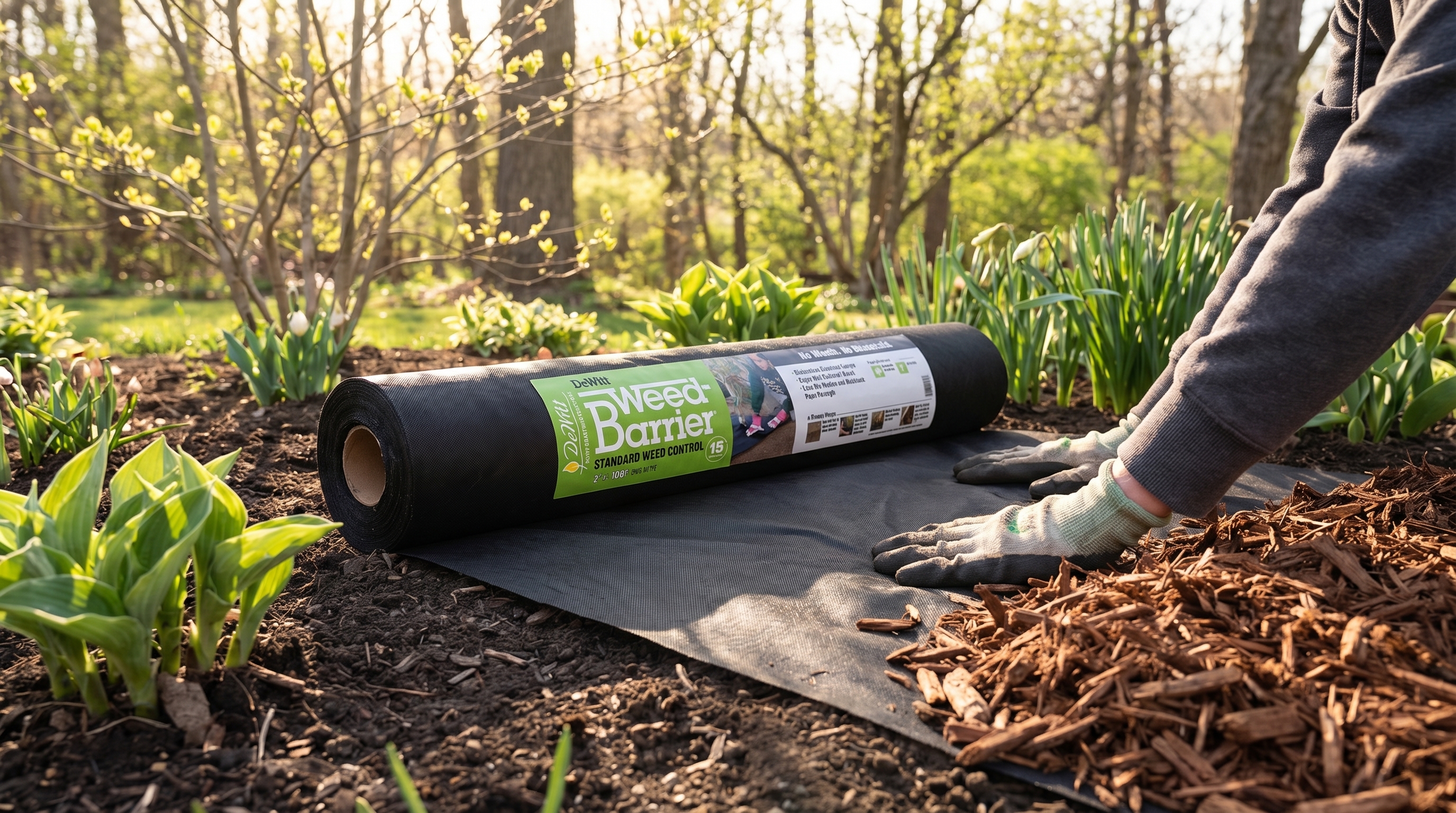
Why Most Weed Fabric Fails in 3 Years — and What Makes DeWitt's 15-Year Fabric Different
Cheap weed fabric degrades fast, lets weeds push through, and eventually becomes more work to remove than it saved. DeWitt Standard 15-Year Weed Control Fabric uses woven polypropylene construction rated for 15 years of performance — blocking light while staying permeable for water and air — available at Liberty Farm, Home & Garden in Galion, Ohio.
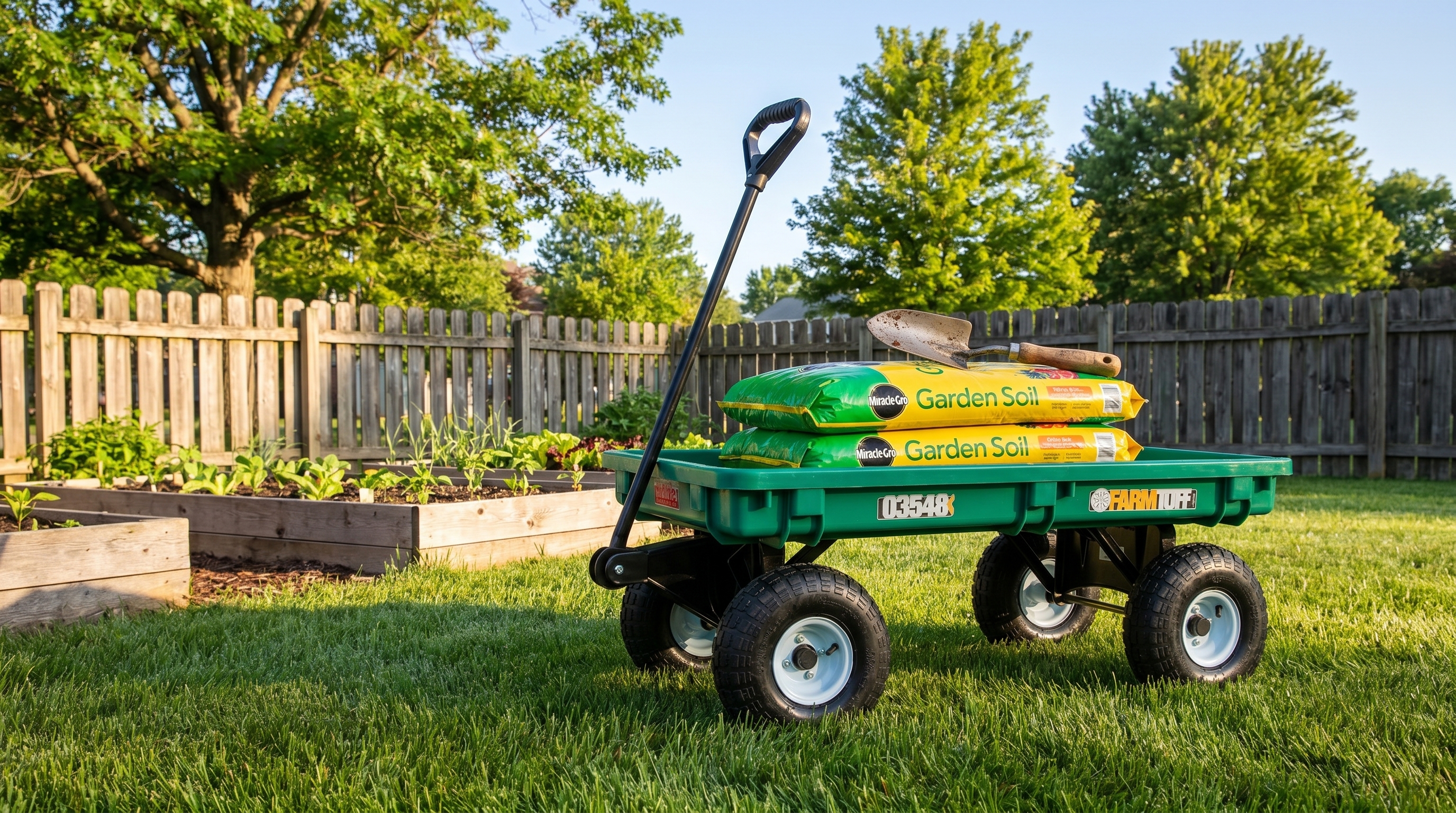
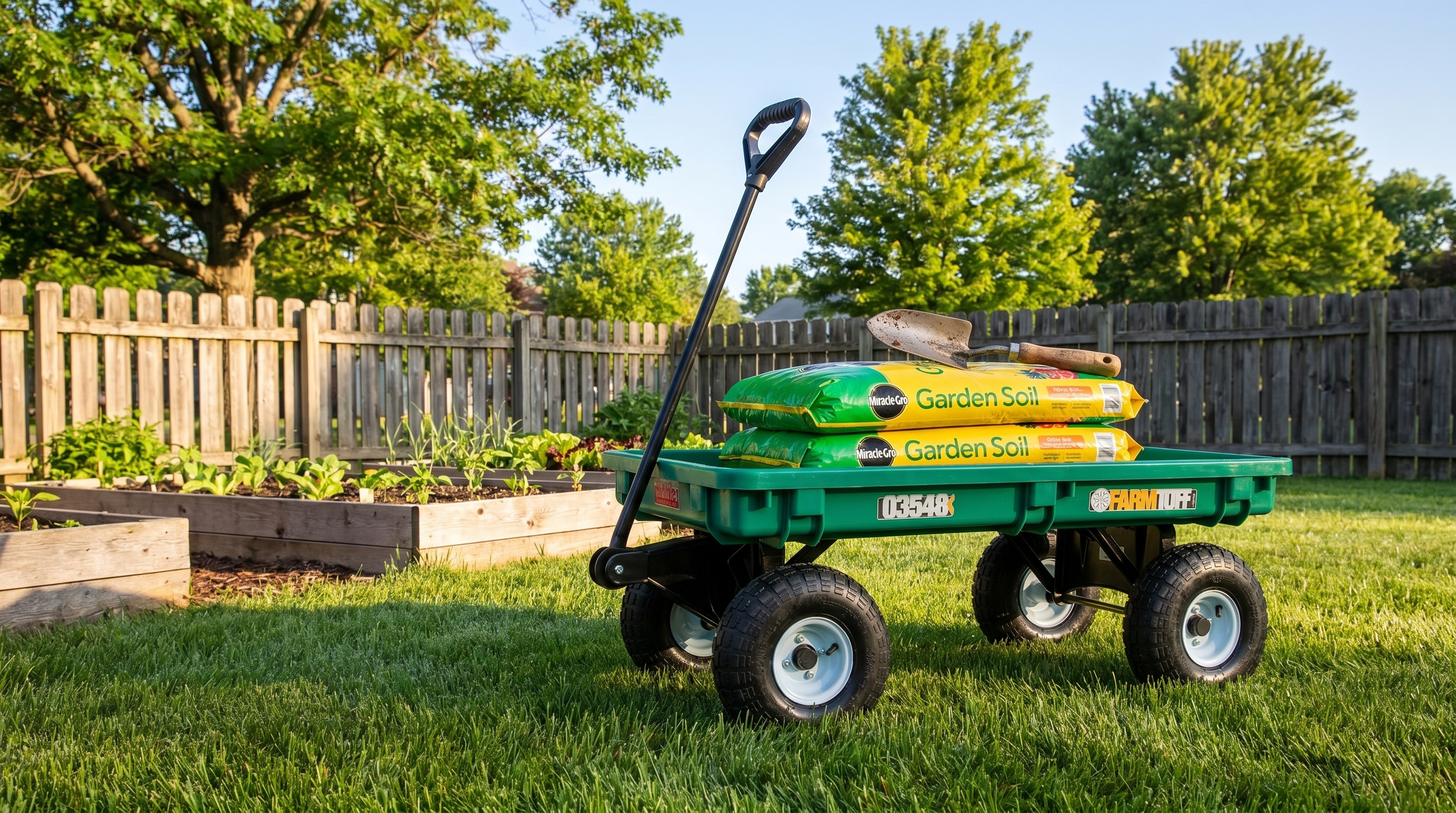
The Yard and Garden Wagon Built for Real Work: A Complete Guide to the FARM-TUFF Plastic Deck Wagon with Flat-Free Tires
Most utility wagons fail the moment the work gets serious — but the FARM-TUFF Plastic Deck Wagon is designed from the ground up for Ohio farms, gardens, and homesteads where hauling heavy loads over rough terrain is a weekly reality. Available at Liberty Farm, Home & Garden in Galion, Ohio, it delivers 300 lb capacity, flat-free foam tires, and a rugged poly deck built to handle everything from bagged soil to lumber without the maintenance headaches of pneumatic-tired wagons.