
Best Bird Feeders & Seed for Backyard Birding in Ohio
Attract cardinals, blue jays, and woodpeckers with the right setup
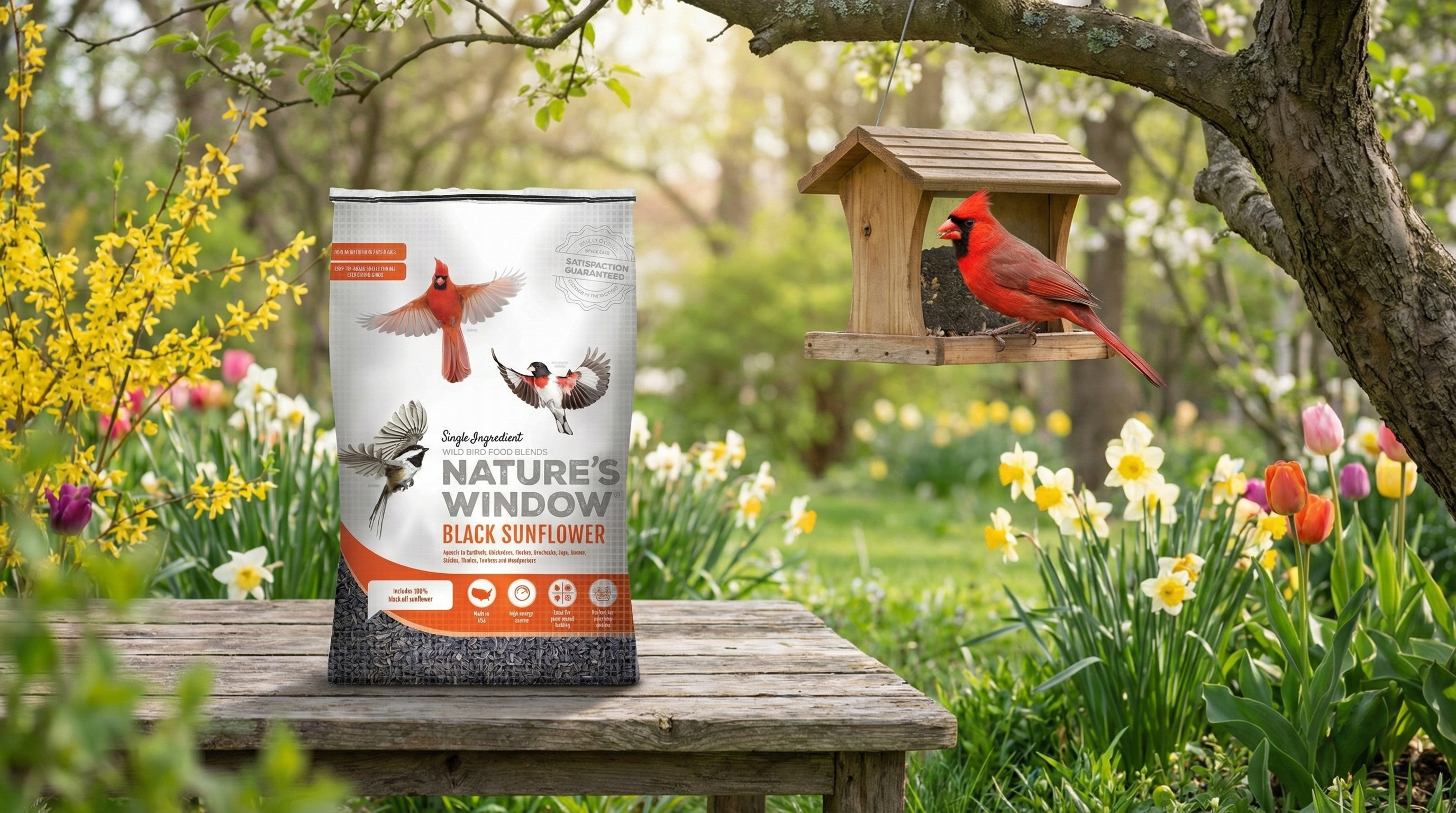
Ohio is home to over 400 bird species, and a surprising number of them will visit your backyard if you give them a reason to stop by. The right combination of feeder style and seed type can turn an ordinary yard into a year-round birding destination. Here's how to set up a feeding station that works.
Choosing the Right Bird Feeder
The feeder you choose determines which species show up. Different birds prefer different feeding styles, so running two or three feeder types gives you the best variety:
- Hopper feeders — The classic house-shaped design. Great all-around choice that attracts cardinals, blue jays, finches, and sparrows. Look for models with a weather guard to keep seed dry.
- Tube feeders — Best for smaller birds like chickadees, nuthatches, and goldfinches. The small perches discourage larger, more aggressive birds from monopolizing the seed.
- Platform feeders — Open tray design that welcomes nearly every species. Easy to clean, though seed gets wet faster in rain.
- Suet feeders — Wire cage feeders designed to hold suet cakes. Essential for attracting woodpeckers, nuthatches, and wrens.
- Window feeders — Suction-cup mounted feeders that attach directly to glass. Perfect for close-up viewing from a kitchen or living room window.
Best Seed Types for Ohio Birds
The seed you stock matters just as much as the feeder. Cheap filler mixes loaded with milo and wheat end up on the ground uneaten. Focus on quality seed that Ohio birds actually want.
Nature's Window Black Oil Sunflower is the single best investment for backyard birding — it attracts the widest variety of Ohio species including cardinals, chickadees, finches, nuthatches, and woodpeckers. The thin shells are easy for small birds to crack, and the high oil content provides serious energy, especially in winter.
For goldfinches specifically, Nature's Window Nyjer Seed is irresistible. Use it in a tube feeder with small ports — goldfinches will find it within days. If squirrels are raiding your feeders, try Nature's Window Safflower Seed. Cardinals love it, but squirrels and grackles tend to leave it alone.
For woodpeckers, nuthatches, and wrens, nothing beats Royal Wing Peanut Suet Cakes — high-energy food that keeps these birds coming back all season. And for a protein-packed supplement that bluebirds and wrens go wild for, add ZenithWorks Black Soldier Fly Larvae to a platform feeder.
Matching Birds to Seed and Feeders
Knowing which birds prefer which setup saves you money and gets results faster. Here's a quick reference for the most common Ohio backyard species:
| Bird | Best Seed | Best Feeder |
|---|---|---|
| Northern Cardinal | Sunflower, Safflower | Hopper or Platform |
| American Goldfinch | Nyjer (Thistle) | Tube Feeder |
| Black-capped Chickadee | Sunflower | Tube Feeder |
| Blue Jay | Sunflower, Peanuts | Hopper or Platform |
| Downy Woodpecker | Suet, BSFL | Suet Feeder |
| Tufted Titmouse | Sunflower, Peanuts | Tube or Hopper |
| White-breasted Nuthatch | Sunflower, Suet | Tube or Suet Feeder |
| Eastern Bluebird | BSFL, Mealworms | Platform Feeder |
Seasonal Feeding Tips
Bird feeding in Ohio shifts with the seasons. Adjusting your setup throughout the year keeps birds coming back and keeps your investment working efficiently:
- Spring (March through May): Migrating birds are hungry and looking for reliable food sources. Keep feeders full and add a water source — a simple birdbath dramatically increases activity.
- Summer (June through August): Natural food is abundant, so feeder traffic drops. Reduce filling frequency but keep fresh water available. This is a great time to deep-clean all your feeders.
- Fall (September through November): Ramp up feeding as birds bulk up for migration and winter. Switch to higher-fat options like suet cakes and sunflower seed.
- Winter (December through February): Peak feeding season. Birds need high-energy food to survive cold Ohio nights. Keep suet feeders stocked, brush snow off platform feeders, and make sure water doesn't freeze.
Dealing with Squirrels
Squirrels are persistent, creative, and endlessly determined to raid your bird feeders. A few proven strategies:
- Baffle your poles — A cone-shaped squirrel baffle mounted below the feeder stops most climbers cold
- Use safflower seed — Squirrels generally dislike the bitter taste, while cardinals and chickadees eat it happily
- Placement matters — Mount feeders at least 10 feet from the nearest tree branch, fence, or roof overhang that squirrels can leap from
- Weight-activated feeders — These close the feeding ports when something heavier than a bird (like a squirrel) lands on them
Accept that you won't win every battle. But with the right setup, you can keep squirrel losses to a minimum while still attracting plenty of birds.
Getting Started
You don't need a complicated or expensive setup to attract birds. A single hopper feeder stocked with black oil sunflower seed and a suet cage with peanut suet cakes will bring in a surprising variety of species within the first week. Add a birdbath for water and you've got a legitimate backyard birding station.
From there, expand based on what you see. Goldfinches showing interest? Add a tube feeder with nyjer seed. Bluebirds nearby? Set out a platform feeder with black soldier fly larvae. Build your station over time and enjoy the process.
Visit Liberty Farm, Home and Garden in Galion for feeders, seed, suet, and expert advice on backyard birding in Ohio.
Frequently Asked Questions
Keep Reading
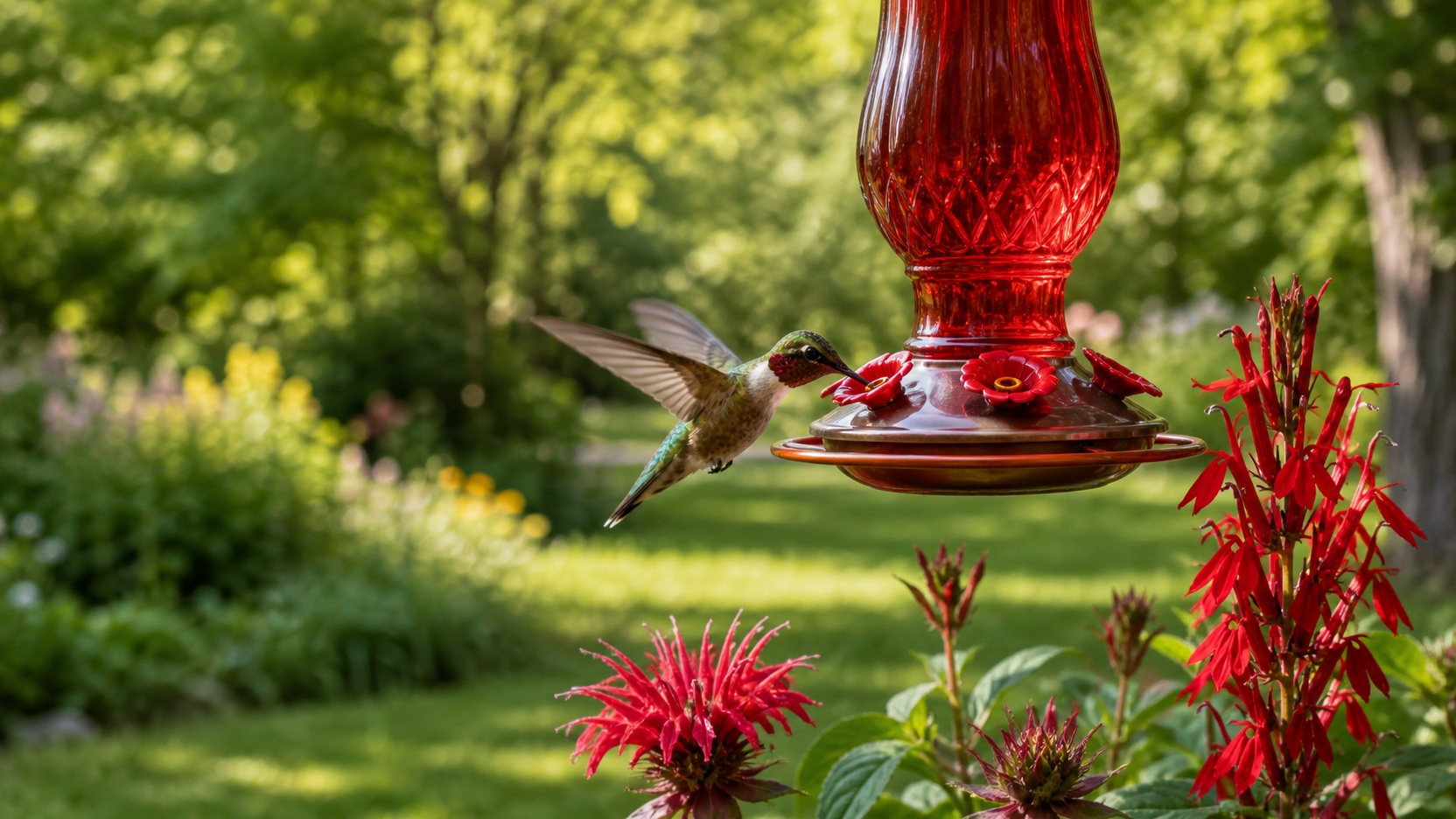
Keep the Feeder Up: An Ohio Guide to Fall Hummingbird Migration
Learn when to take down hummingbird feeders in Ohio, how to mix safe nectar, and how often to clean during late-summer migration near Galion.
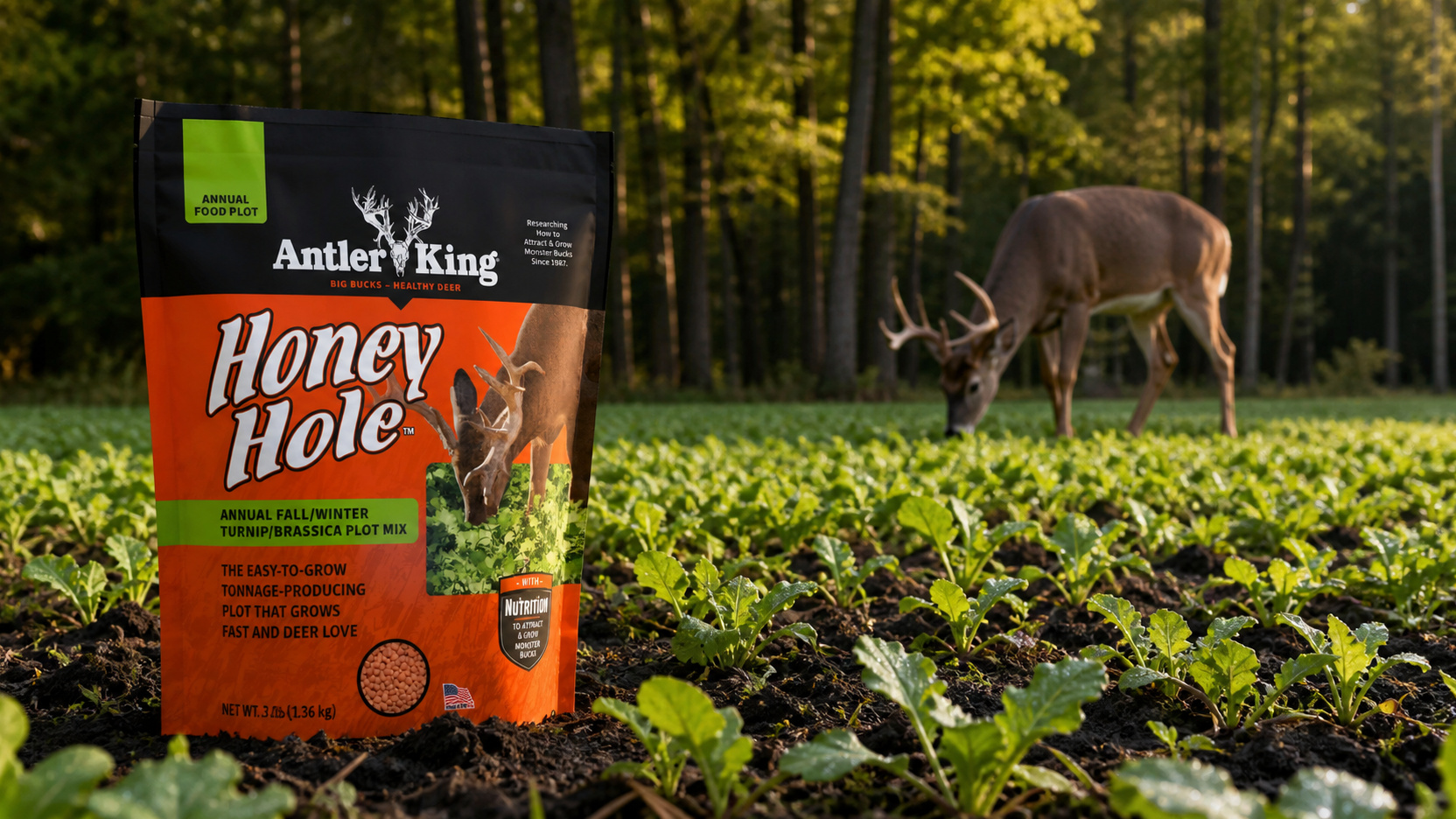
Planting Fall Deer Food Plots in Ohio: An August Field Plan
Plan an Ohio fall deer food plot with soil testing, smart seedbed prep, mix selection, and local tips from Liberty Farm, Home & Garden in Galion.