
Beginner's Guide to Raising Backyard Chickens in Ohio
Everything you need to know to start a backyard flock in the Buckeye State
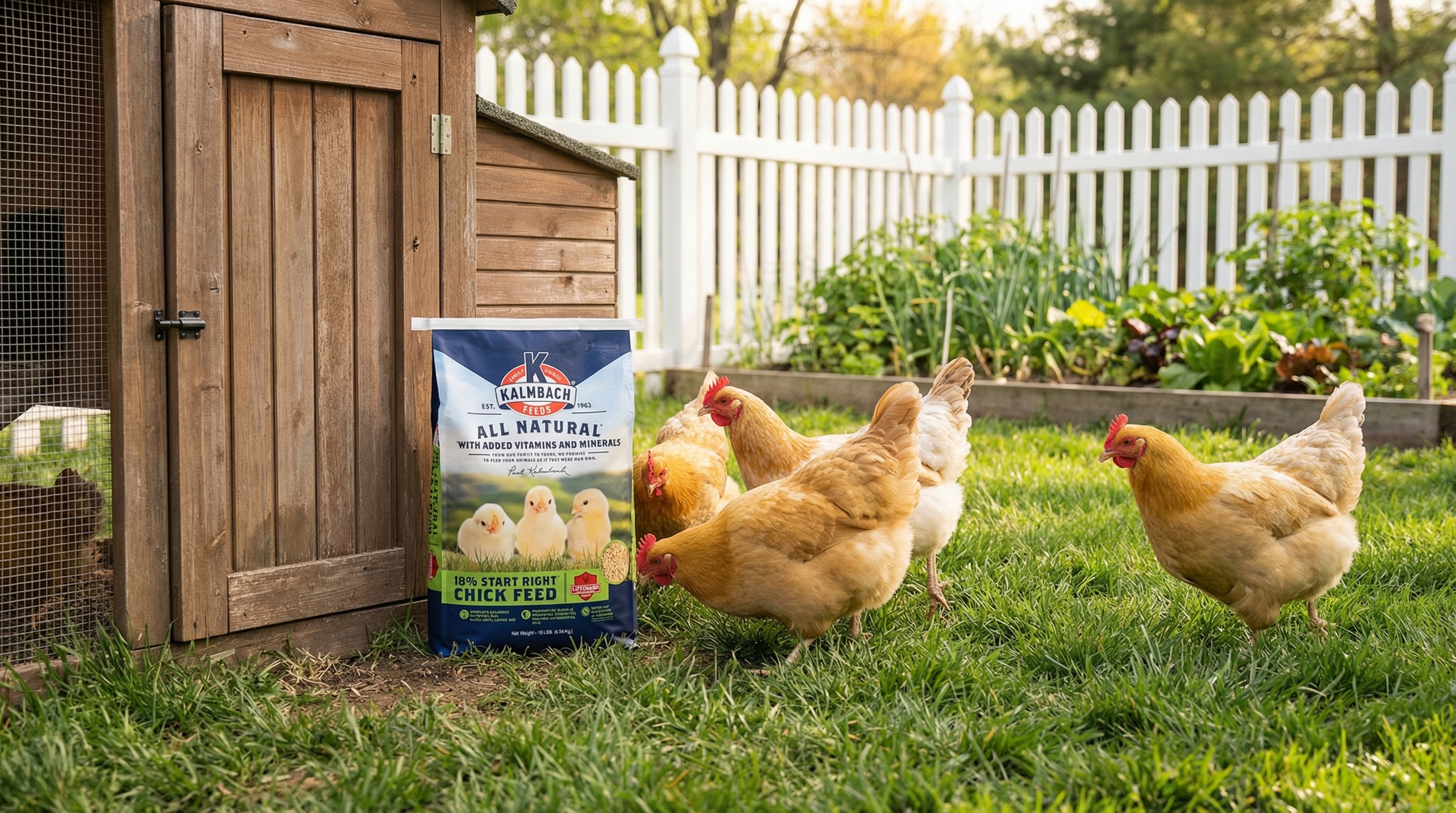
A small backyard flock of 4–6 hens can produce over 1,000 eggs per year — enough for your family and your neighbors. Here's everything you need to know to get started in Ohio.
Ohio Regulations for Backyard Chickens
Before you order your first chicks, check your local regulations. Ohio state law generally allows backyard poultry, but individual cities and townships have their own rules:
- Galion and most Crawford County townships allow backyard chickens with few restrictions in residential areas
- Some municipalities limit flock size (often 6–12 hens) and prohibit roosters
- Most areas require coops to be set back 25–50 feet from property lines
- HOAs may have their own restrictions — review your covenants first
When in doubt, call your local zoning office or stop by Liberty Farm, Home & Garden and ask — we've helped plenty of local families navigate the rules.
Choosing the Right Breeds
For Ohio's climate — cold winters and warm summers — you want breeds that are cold-hardy and good layers:
- Rhode Island Red — The classic backyard chicken. Hardy, friendly, 250–300 brown eggs per year.
- Plymouth Rock (Barred Rock) — Docile, cold-hardy, great with kids. About 250 brown eggs yearly.
- Buff Orpington — Fluffy, gentle, excellent in cold weather. Great dual-purpose breed.
- Australorp — Holds the world record for egg production. Quiet and easy to handle.
- Easter Egger — Lays blue and green eggs. Hardy and fun for families.
Start with a mix of 2–3 breeds for a colorful egg basket and a more resilient flock. We carry chicks seasonally at Liberty Farm — stop in during spring to see what's available.
Coop Requirements
Your coop is the most important investment. Here's what to plan for:
| Feature | Minimum Requirement |
|---|---|
| Indoor space | 4 sq ft per chicken |
| Outdoor run | 10 sq ft per chicken |
| Roosting bars | 8–10 inches per bird |
| Nesting boxes | 1 per 3–4 hens |
| Predator barrier | 1/2-inch hardware cloth (not chicken wire) |
Good ventilation is critical — include vents near the roofline that stay open even in winter. Line nesting boxes with straw or wood shavings, and avoid cedar (it irritates their respiratory systems).
Feed & Nutrition
Proper nutrition changes at each stage of your flock's life. Here's what to feed and when:
Chick Stage (0–8 weeks)
Start with a high-protein chick starter like Kalmbach 18% Start Right Chick Feed. Keep feed and clean water available 24/7 — chicks eat small amounts frequently.
Grower Stage (8–18 weeks)
Transition to Kalmbach 20% Flock Maker Crumbles to support healthy development before egg production begins.
Layer Stage (18+ weeks)
Switch to Kalmbach 16% All Natural Layer Crumbles — formulated with extra calcium for strong eggshells. Supplement with crushed oyster shell in a separate dish.
We carry the full Kalmbach feed line at Liberty Farm — our team can help you choose the right feed for your flock's age and needs.
Health Basics
Keeping your flock healthy starts with prevention:
- Clean the coop regularly — spot-clean daily, deep clean monthly
- Watch for parasites — check under wings and around the vent regularly. Provide a dust bath area with sand and diatomaceous earth.
- Quarantine new birds — keep new additions separate for 2–4 weeks before introducing them
- Know the signs of illness — lethargy, droopy wings, discharge from eyes/nostrils, and drops in egg production all signal problems
- Winter care — keep the coop draft-free but ventilated. Don't heat it (fire risk). Use a heated poultry waterer to prevent freezing.
Starting a backyard flock is one of the most rewarding homesteading projects you can take on. Visit Liberty Farm, Home & Garden in Galion for chicks (seasonal), feeds, supplies, and expert advice.
Frequently Asked Questions
Keep Reading
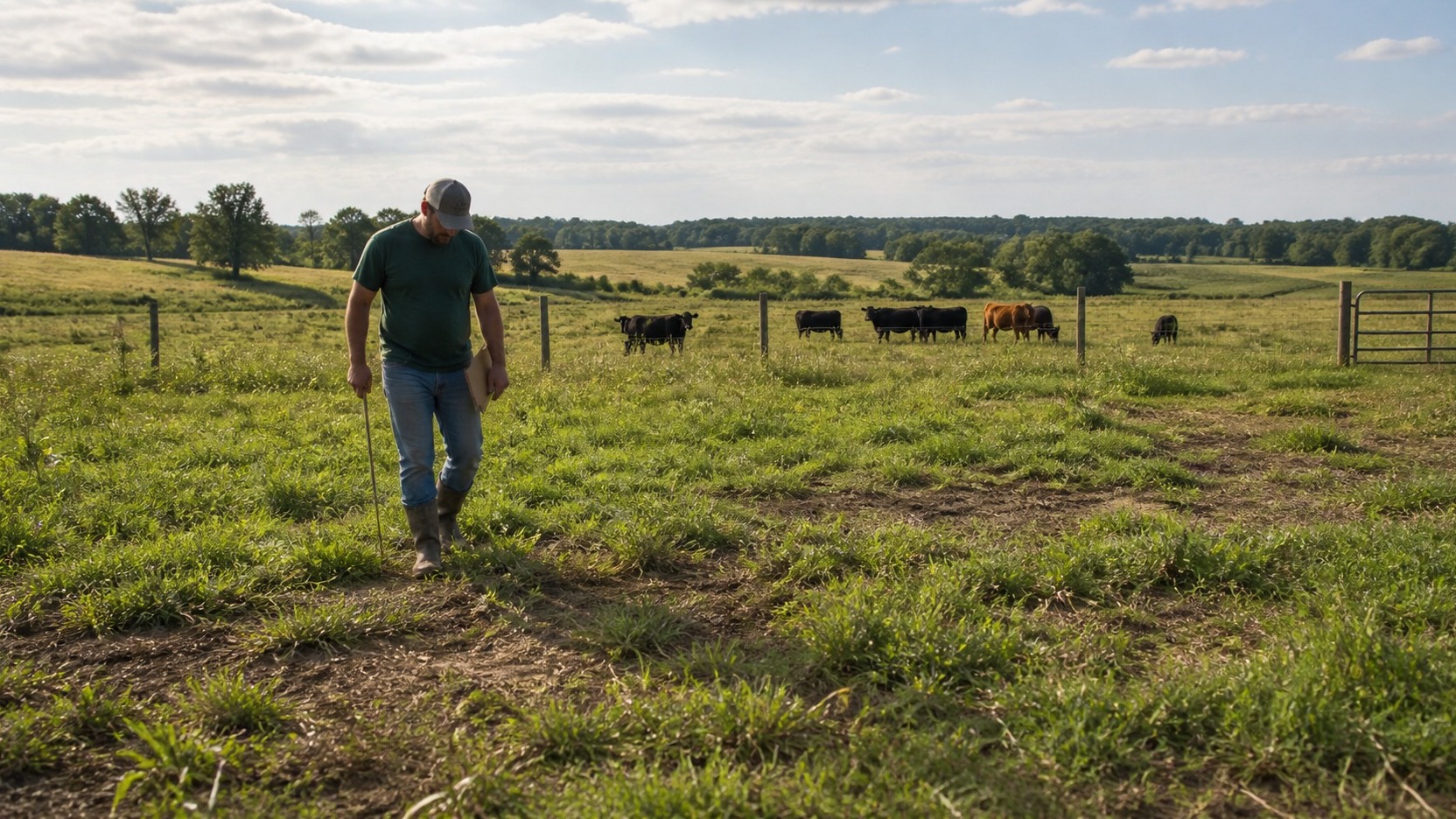
Late-Summer Pasture Checkup: Repair, Reseed, or Rest Your Ohio Fields?
A practical late-August pasture guide for Ohio livestock owners: assess plant cover, soil fertility, weeds, grazing pressure, and whether to repair or reseed.
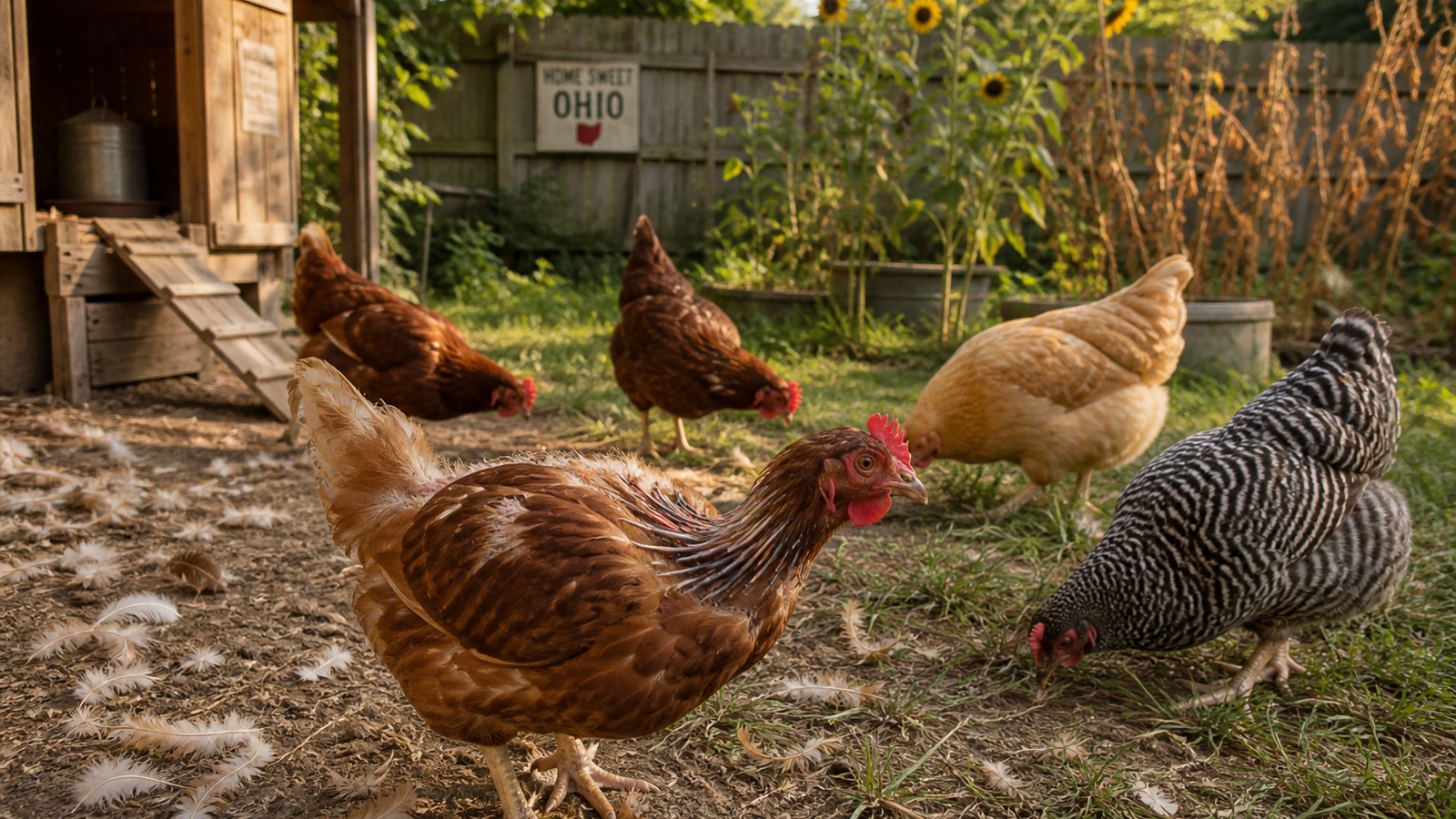
Molting Season Prep: How to Support Your Chickens Through the August Transition
Learn how to recognize and support your chickens through their annual molt in late summer and early fall. This seasonal guide from Liberty Farm, Home & Garden in Galion, Ohio covers nutrition, management, and timing for north-central Ohio flocks.