
Getting Started with Goats in Ohio: Feed, Fencing & Fundamentals
Everything you need to know before bringing goats home to your Ohio property
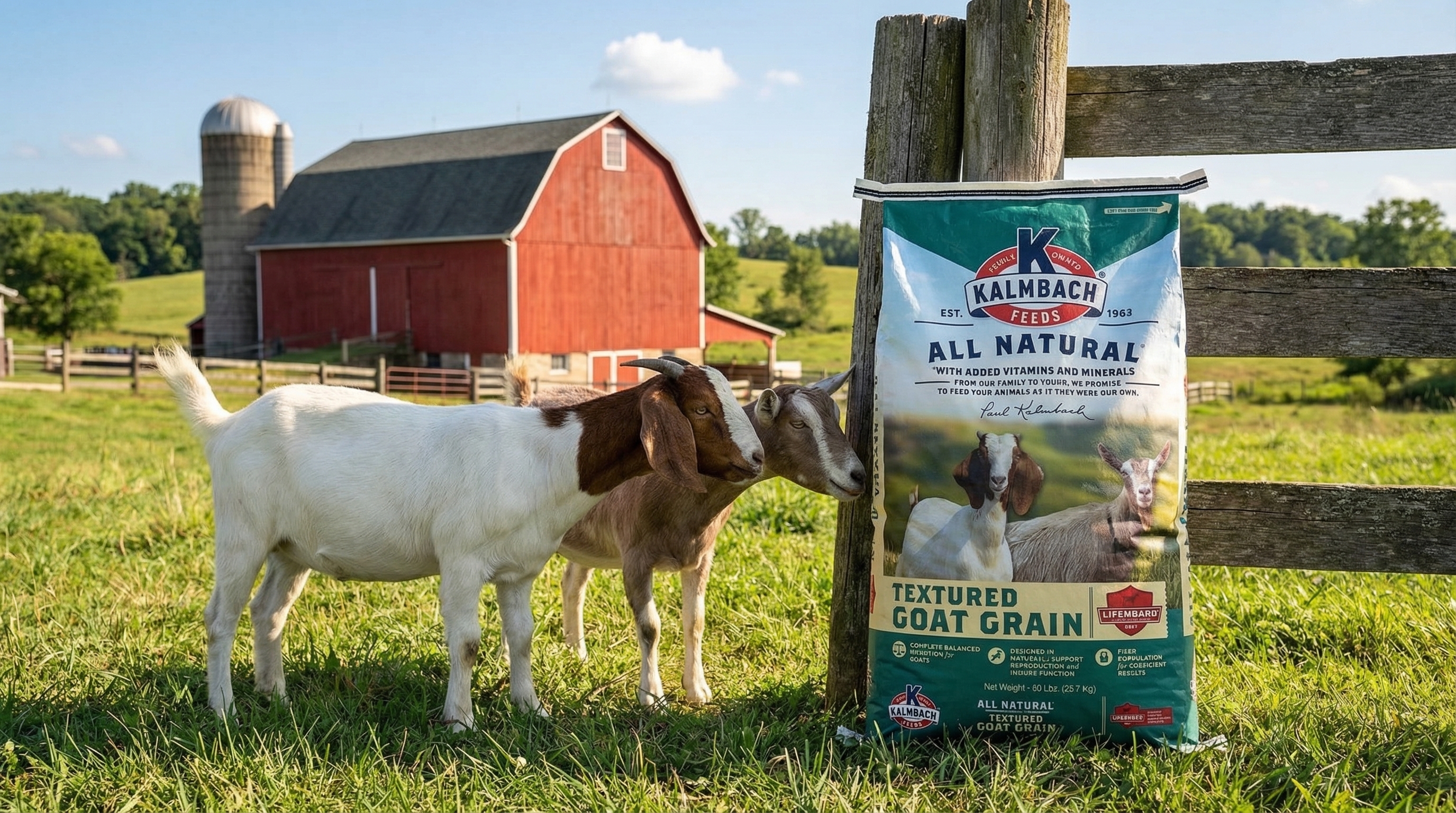
Goats are one of the most rewarding animals you can keep on a small Ohio property. They are personable, productive, and surprisingly manageable once you understand the basics. But "easy to raise" is not the same as "no preparation needed." The difference between a good experience and a frustrating one usually comes down to doing your homework before the goats arrive. Here is what you need to know.
Ohio Regulations for Keeping Goats
Before you buy a single goat, check your local zoning. Ohio's rules vary significantly by county and municipality:
- Rural and agricultural zones generally allow goats with no special permits. Most of Crawford County and surrounding areas fall into this category.
- Township and village zoning may have restrictions on the number of animals, lot size minimums, or setback requirements from property lines.
- City limits often prohibit livestock entirely, though some Ohio cities have updated ordinances to allow small numbers of goats.
Contact your county zoning office or township trustees to confirm the rules for your specific property. Also check whether your county requires a premises identification number (PIN) for livestock. Ohio's Department of Agriculture maintains a voluntary premises registration program, and some situations make registration mandatory.
Choosing the Right Breed
Your breed choice depends on what you want from your goats. Here are the most common breeds for Ohio small farms:
| Breed | Primary Purpose | Adult Weight | Temperament | Notes |
|---|---|---|---|---|
| Nigerian Dwarf | Dairy (small scale) | 60-80 lbs | Friendly, playful | High butterfat milk, compact size |
| Boer | Meat | 200-300 lbs | Docile | Fast growth rate, muscular build |
| Nubian | Dairy | 130-175 lbs | Vocal, affectionate | Rich milk, long floppy ears |
| LaMancha | Dairy | 130-160 lbs | Calm, steady | Excellent milk production, quiet |
| Pygmy | Pet/companion | 50-75 lbs | Friendly | Hardy, good for beginners |
| Kiko | Meat | 150-250 lbs | Independent | Parasite resistant, low maintenance |
For first-time goat owners in Ohio, Nigerian Dwarfs and Pygmies are popular choices. They require less space, less feed, and are forgiving of beginner mistakes. If you are interested in meat production, Boer goats or Boer crosses are the standard. Dairy enthusiasts should consider Nubians or LaManchas.
Fencing: The Non-Negotiable
Ask any experienced goat owner what the most important investment is, and they will say fencing. Goats are intelligent, curious, and remarkably talented escape artists. Inadequate fencing is the number one source of frustration for new goat owners.
Minimum fencing standards for goats:
- Height: At least 4 feet for standard breeds, though 5 feet is better. Nigerian Dwarfs can sometimes get by with 4-foot fencing, but do not count on it.
- Type: Woven wire field fencing (also called no-climb fencing) with 2x4 inch or 4x4 inch openings is the gold standard. The small openings prevent goats from getting their heads stuck. Avoid using cattle panels alone, as goats will push through or climb them.
- Posts: Set posts every 8 feet with corner bracing. T-posts work for line posts, but use wooden corner and gate posts for structural integrity.
- Electric option: A strand of electric wire 8-10 inches off the ground inside the main fence discourages leaning and pushing. Electric netting also works well for rotational grazing.
Budget more for fencing than you think you need. The cost of good fencing up front is far less than the cost of chasing escaped goats, replacing damaged landscaping, and dealing with angry neighbors.
Feed and Nutrition
Goats are browsers, not grazers. In the wild, they prefer brush, weeds, bark, and shrubs over grass. A good feeding program combines quality hay, a formulated grain feed, free-choice minerals, and clean water.
Hay: Good grass hay or mixed grass-legume hay should be available at all times. Alfalfa hay is higher in protein and calcium, making it useful for lactating does and growing kids but too rich for wethers (castrated males) and dry does. Ohio produces excellent orchard grass and timothy hay that goats do well on.
Grain feed: A formulated goat feed provides the vitamins, minerals, and energy that hay alone cannot. Kalmbach 16% Textured Goat Feed is a solid all-purpose option. The 16% protein level supports maintenance, growth, and moderate milk production. The textured format is palatable, and goats take to it readily.
For owners looking for a premium option, Kalmbach Goat Granola takes a different approach. It uses a granola-style formulation with visible whole grains, making it highly palatable and easy to digest. It works well for picky eaters and show goats.
| Goat Type | Grain Amount (per day) | Notes |
|---|---|---|
| Dry does and wethers | 0.5 - 1 lb | Free-choice hay is primary diet |
| Lactating does | 1 - 3 lbs | Increase with milk production |
| Growing kids | 0.5 - 1.5 lbs | Gradually introduce after weaning |
| Bucks (breeding season) | 1 - 2 lbs | Increase before and during rut |
Minerals: Do Not Skip This
Goats have specific mineral needs that hay and grain alone do not fully meet, particularly copper and selenium. Ohio soils tend to be low in selenium, making supplementation especially important in this region.
Kalmbach 2:1 Goat Mineral is formulated specifically for goats with the correct calcium-to-phosphorus ratio and appropriate levels of copper, selenium, zinc, and other trace minerals. Offer it free-choice in a covered mineral feeder. Goats will self-regulate their intake.
Shelter and Space Requirements
Goats do not need elaborate housing, but they do need protection from rain, wind, and extreme cold. A three-sided shelter works for most of the year in Ohio. Key considerations:
- Space: Allow at least 15-20 square feet of shelter per goat. More is better, especially if goats will be confined during winter weather.
- Ventilation: Good airflow prevents respiratory problems. Avoid sealing shelters too tightly. A three-sided structure open to the south or east provides protection while maintaining ventilation.
- Bedding: Straw works well and is readily available in Ohio. The deep litter method, where you add fresh straw on top of old bedding periodically, provides warmth and reduces labor. Clean out completely two to three times per year.
- Pasture: Plan for at least 200-250 square feet of outdoor space per goat, though more is always better. Rotational grazing with multiple paddocks reduces parasite pressure significantly.
Health Basics
Keeping goats healthy in Ohio requires attention to a few key areas:
- Parasites: Internal parasites (especially barber pole worm) are the single biggest health threat to goats in Ohio's humid climate. Learn the FAMACHA scoring system to check for anemia, and work with a veterinarian to develop a targeted deworming protocol. Avoid routine deworming on a fixed schedule, as this promotes resistance.
- Hoof trimming: Trim hooves every six to eight weeks. Ohio's wet conditions can contribute to hoof rot if hooves are neglected. It is a simple skill to learn and essential for goat health.
- CDT vaccine: Clostridium perfringens types C and D plus tetanus. This is the one vaccine that virtually all goat owners and veterinarians agree on. Kids get a series of two shots, and adults get an annual booster.
- Veterinarian: Find a large-animal or farm vet before you need one. Not all veterinarians treat goats, so establishing a relationship in advance saves you from scrambling during an emergency.
Common Mistakes New Goat Owners Make
Learning from other people's mistakes saves you time, money, and heartache:
- Underestimating fencing needs. This comes up repeatedly because it is the most common and most preventable problem.
- Feeding cattle or sheep mineral instead of goat mineral. The mineral ratios are different, and the consequences can be serious.
- Keeping a single goat. A lonely goat is a loud, destructive, unhappy goat.
- Over-feeding grain. Too much grain causes bloat and other digestive emergencies. Hay should always be the foundation of the diet.
- Ignoring parasite management. Parasites kill more goats than any other health problem in Ohio. Take it seriously from day one.
- Not having a veterinarian lined up. Goat emergencies happen on weekends and holidays. Know who to call before you need to.
Stop by Liberty Farm, Home and Garden in Galion for goat feed, minerals, and advice. We carry the Kalmbach goat feed and mineral line and can help you get set up for success.
Frequently Asked Questions
Keep Reading
Late-Summer Pasture Checkup: Repair, Reseed, or Rest Your Ohio Fields?
A practical late-August pasture guide for Ohio livestock owners: assess plant cover, soil fertility, weeds, grazing pressure, and whether to repair or reseed.
Molting Season Prep: How to Support Your Chickens Through the August Transition
Learn how to recognize and support your chickens through their annual molt in late summer and early fall. This seasonal guide from Liberty Farm, Home & Garden in Galion, Ohio covers nutrition, management, and timing for north-central Ohio flocks.