
Why Your Hamster or Guinea Pig Keeps Sneezing — and How the Right Bedding Fixes It
A practical guide to small animal bedding, why wood shavings can cause respiratory problems, and why Fresh News Recycled Paper Bedding is the safer, softer, and more absorbent alternative
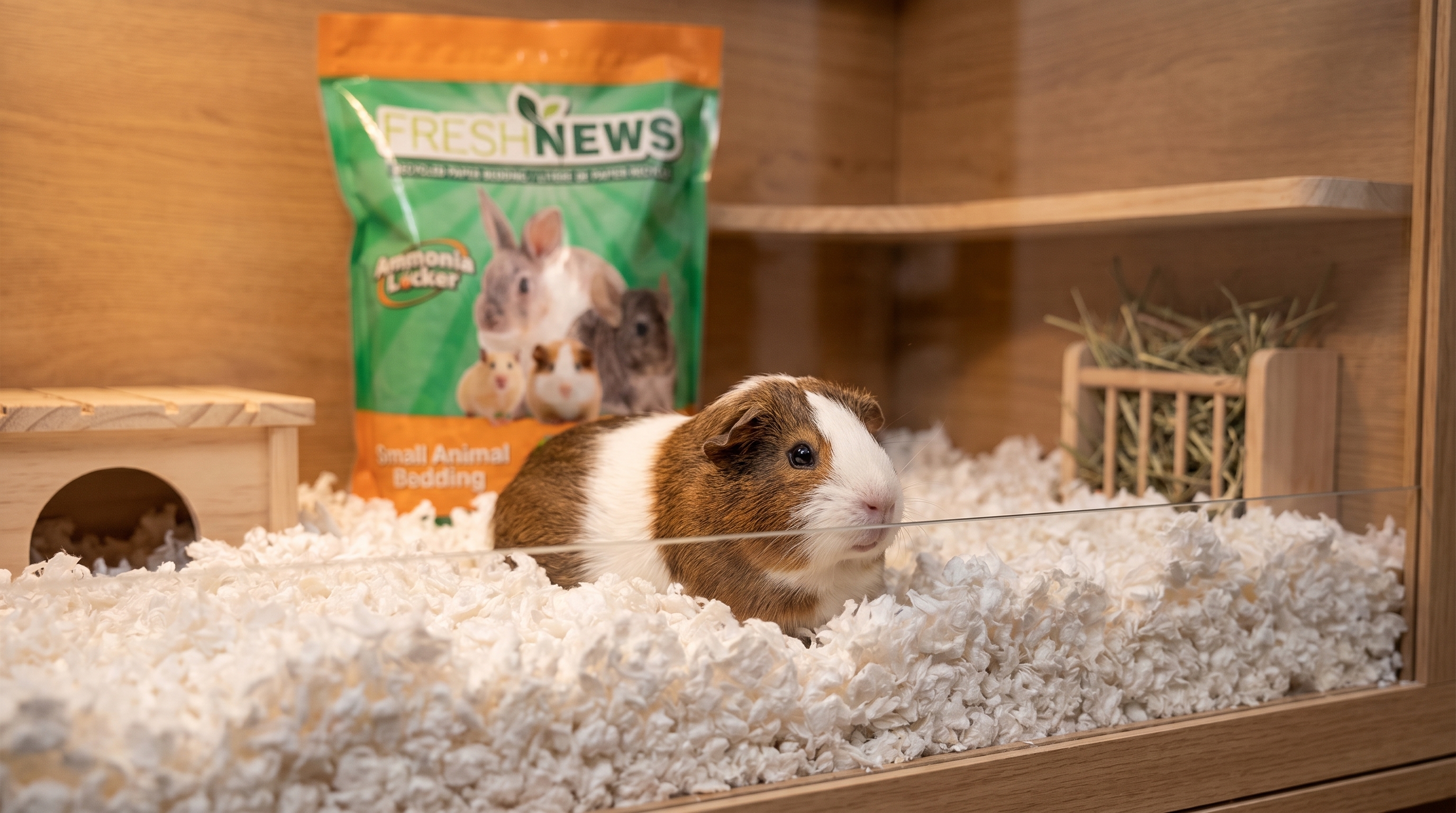
If your hamster, guinea pig, or rabbit has been sneezing repeatedly, showing watery eyes, or developing a runny nose, the most likely culprit isn't a virus or infection — it's what's sitting in the bottom of their cage. Cedar and pine wood shavings, two of the most widely sold small animal beddings, contain aromatic oils and release dust that are directly harmful to the sensitive respiratory systems of small animals. The fix is simpler than most owners expect: switch to paper bedding. Fresh News Recycled Small Animal Paper Bedding (40 L) is made from 100% recycled paper, is virtually dust-free, and is softer and more absorbent than any wood-based bedding — available here at Liberty Farm, Home & Garden in Galion, Ohio.
Why Small Animal Bedding Matters More Than Most Owners Realize
Small animals spend the vast majority of their lives in and around their bedding. They burrow in it, sleep in it, forage through it, and breathe air just inches above it all day and night. Unlike dogs or cats that move freely through a home with abundant ventilation, small caged animals like hamsters, guinea pigs, gerbils, and rabbits live in an enclosed microenvironment where everything in the cage — including the bedding — directly affects the air quality they breathe.
This proximity makes small animals uniquely vulnerable to bedding-related health problems. A dog might walk past a pile of cedar chips in the garage without incident. A hamster living on cedar shavings is inhaling vaporized aromatic compounds and fine dust particles 24 hours a day. The cumulative effect of that exposure is significant and well-documented in veterinary literature: respiratory inflammation, reduced lung function, and in chronic cases, serious illness that's often misattributed to other causes.
Bedding also directly affects moisture management inside the cage. Small animals urinate frequently, and bedding that absorbs moisture poorly leads to wet, ammonia-rich conditions that further stress the respiratory system and contribute to skin and foot problems. Good bedding absorbs quickly, holds moisture away from the animal's feet and body, and controls odor as a result of that absorption — not through masking agents or added fragrance.
The choice of bedding is not a cosmetic decision. It's one of the most significant factors in a small animal's long-term health, and it's one that gets surprisingly little attention in basic small animal care advice.
The Problem With Wood Shavings: Cedar, Pine, and the Respiratory Risk
Cedar and pine shavings have been the default small animal bedding for decades — they're inexpensive, widely available, and have a familiar, pleasant smell that owners associate with cleanliness. That smell is exactly the problem.
Cedar and pine contain phenols — natural aromatic compounds responsible for the characteristic wood smell. These phenols are volatile, meaning they evaporate into the air continuously at room temperature. For humans handling the bedding briefly, phenol exposure is minimal and generally harmless. For a small animal living in a cage directly above the shavings, exposure is constant and concentrated.
In small animals, phenol inhalation has been shown to cause inflammation of the mucous membranes lining the respiratory tract, damage to liver enzymes (the liver is what would normally process these compounds, but chronic low-level exposure overwhelms that capacity in small animals), and suppression of immune function. The symptoms look a lot like a respiratory infection: sneezing, nasal discharge, labored breathing, and in severe cases, wheezing. Many small animals are treated repeatedly for respiratory infections that are actually bedding-induced chemical irritation — and the symptoms return as soon as they go back into the same cedar or pine bedding.
Dust compounds the problem. Even "low-dust" wood shavings release fine particles during normal animal activity — burrowing, digging, and moving through the bedding stirs up particles that get inhaled directly. Dust-induced respiratory issues in small animals range from sneezing to chronic rhinitis to lower respiratory tract inflammation, and guinea pigs and rabbits — with larger lungs but no ability to cough effectively — are particularly vulnerable.
What Makes Paper Bedding the Safer Alternative
Paper bedding eliminates both of the primary hazards of wood shavings: the aromatic oils and the dust.
Recycled paper bedding contains no phenols, no aromatic compounds, and no volatile chemicals of any kind. The paper fiber is inert — it doesn't off-gas anything into the cage environment. The air above a paper-bedded cage is just air, without the chemical load that wood shavings continuously add. For small animals with respiratory sensitivity, this difference is dramatic and often produces noticeable improvement within days of switching.
Paper is also significantly softer than wood shavings. This matters most for animals that sleep on and burrow in their bedding — hamsters and gerbils in particular build elaborate sleeping nests and spend hours in direct contact with bedding material. Soft, pliable paper bedding creates more comfortable nesting material and is gentler on the feet and skin compared to the sharper-edged fibers in wood shavings.
Absorbency is the third major advantage. Paper fiber absorbs liquid faster and holds more moisture per unit volume than wood shavings. This means urine is pulled away from the surface and held within the bedding rather than pooling at the cage floor, keeping the cage surface drier and reducing the ammonia odor that develops when urine sits near the surface in poorly absorbent bedding. A cleaner, drier cage interior means less frequent full cage changes while still maintaining healthy conditions.
A Closer Look at Fresh News Recycled Small Animal Paper Bedding (40 L)
Fresh News Recycled Small Animal Paper Bedding delivers all the advantages of paper bedding in a large, practical size built for owners who want to set up a deep, comfortable bedding layer without running out quickly. Here's what sets it apart:
| Specification | Details |
|---|---|
| Material | 100% recycled paper |
| Dust Level | Virtually dust-free |
| Aromatic Oils | None — no phenols, no cedar or pine compounds |
| Volume | 40 L (fills most small animal cages several times) |
| Softness | Softer than wood shavings — better for nesting and burrowing |
| Absorbency | More absorbent than wood shavings — pulls moisture away from surface |
| Best For | Hamsters, guinea pigs, rabbits, gerbils, rats, mice, and other small animals |
| Eco-Friendly | Made from 100% recycled paper |
The 40 L volume is the key practical detail. Small animal bedding should be laid at a depth of 2 to 4 inches at minimum — deep enough for burrowing animals to express natural digging behavior and deep enough to provide effective moisture management. At that depth, a standard cage for a hamster or guinea pig requires significant bedding volume. The 40 L bag fills most cages several times, making partial changes and top-offs easy without constantly buying new bags.
The recycled paper construction also aligns with a broader value: Fresh News is made from post-consumer paper that would otherwise go to landfill. For owners who care about the environmental footprint of their pet keeping, using recycled paper bedding is a small but meaningful choice.
How Fresh News Compares to Other Bedding Types
Understanding where Fresh News fits relative to the other common bedding options helps clarify why paper is the right choice for most small animals:
| Bedding Type | Dust Level | Aromatic Oils | Softness | Absorbency | Respiratory Safety |
|---|---|---|---|---|---|
| Cedar Shavings | High | Yes — phenols present | Moderate | Low–Moderate | Not recommended for small animals |
| Pine Shavings | Moderate–High | Yes — lower than cedar, still present | Moderate | Moderate | Generally not recommended without kiln-drying |
| Aspen Shavings | Moderate | None — hardwood, no phenols | Moderate | Moderate | Safe; better than cedar/pine but still has dust |
| Paper Bedding (Fresh News) | Virtually none | None | High — soft and fluffy | High | Excellent — recommended choice |
| Fleece Liners | None | None | Very high | Low (wicks to layer below) | Excellent — but requires washing, no burrowing |
Aspen shavings are a step in the right direction — they lack the aromatic oils of cedar and pine — but they still generate meaningful dust and don't absorb as effectively as paper. For animals with confirmed respiratory sensitivity or a history of sneezing on wood shavings, the step from aspen to paper is well worth taking. For hamsters and gerbils that need to burrow (fleece liners don't allow burrowing), paper is the clear best choice combining all three key qualities: dust-free, no chemicals, and soft enough for natural nesting behavior.
Setting Up the Cage With Fresh News Bedding
Transitioning to paper bedding is straightforward, but doing a clean setup properly sets your animal up for the best results:
- Do a full cage clean before switching — If your animal has been on cedar or pine shavings, do a complete cage clean before introducing paper bedding. Any residual shavings or the oils they deposited on cage surfaces will continue to off-gas into the new bedding layer. Wash the cage with mild soap and warm water, rinse thoroughly, and let it dry completely before adding Fresh News.
- Add paper bedding at the right depth — For hamsters and gerbils: 4 to 6 inches minimum. For guinea pigs and rabbits: 2 to 3 inches. For rats and mice: 2 to 4 inches. Deep bedding supports burrowing behavior, provides better insulation, and manages moisture more effectively than a thin layer.
- Save some old bedding for nesting material (optional) — If you're transitioning an animal that is bonded to the scent of its current nesting material, transferring a small amount of the animal's current nest (not shavings — just the existing nest structure if they've built one) into the new paper bedding helps the animal feel secure during the transition. This is especially useful for anxious hamsters.
- Spot-clean daily, full change weekly or bi-weekly — Paper bedding's high absorbency allows effective spot-cleaning: remove soiled areas daily around toilet corners, add fresh bedding to replace what was removed, and do a full change every 7 to 14 days depending on cage size and number of animals. With guinea pigs or rabbits that urinate more heavily, more frequent changes may be needed.
- Keep the bag sealed between uses — Paper bedding should be stored dry. Fold and seal the bag after each use to prevent moisture absorption from the air, which can reduce absorbency before the bedding is even used.
Fresh News Bedding for Different Small Animals
While Fresh News is suitable for all common small animals, the specific benefits differ somewhat by species:
- Hamsters and gerbils: These animals are obligate burrowers — in the wild, they live in deep tunnel systems. Allowing them to burrow in deep, soft paper bedding is one of the most significant welfare improvements you can make for a caged hamster. Studies on hamster behavior consistently show that access to deep, burrowable bedding reduces stereotypic behaviors (repetitive bar-chewing and pacing) and lowers stress hormones. Fresh News's soft texture makes burrowing easier than wood shavings, and the dust-free quality is especially important for hamsters whose sleeping nests are enclosed spaces with limited airflow.
- Guinea pigs: Guinea pigs are vocal communicators about respiratory discomfort — the characteristic "chattering" or increased vocalization in guinea pigs on dusty or aromatic bedding often resolves within days of switching to paper. They're also prone to foot problems (bumblefoot) when kept on hard or wet surfaces; paper bedding's softness and high absorbency protect against the wet cage conditions that predispose guinea pigs to this painful condition.
- Rabbits: Rabbits have sensitive respiratory systems and a well-known vulnerability to aromatic wood compounds. Many rabbit welfare organizations recommend paper or hay-based bedding as the only appropriate options. For rabbits that use a corner litter box, Fresh News works excellently as litter box fill alongside hay on the cage floor, providing good odor control in the toilet area.
- Rats and mice: Both species are prone to respiratory issues — in fact, chronic respiratory disease is so common in rats that it's sometimes called "rat respiratory syndrome." While the underlying cause is often bacterial (Mycoplasma), dust and ammonia from bedding significantly worsen the condition. Switching rats to paper bedding is a standard recommendation from rat-specialty veterinarians and rat rescues.
Related Products at Liberty Farm, Home & Garden
Liberty Farm, Home & Garden carries products to support small animal owners beyond bedding:
- Mclovin's Single Door 18" Folding Metal Pet Crate — A compact, sturdy folding metal crate that works well for small dogs or as a transport solution for medium-sized rabbits. If you're setting up a multi-pet household with both small animals and a dog, coordinating crates and bedding from one source simplifies the setup.
- Adams Ear Mite Treatment (0.5 fl oz) — Ear mites occasionally affect rabbits and can be confused with other ear problems. If your rabbit is scratching its ears alongside the bedding transition, having a trusted ear mite treatment on hand is practical.
- Wrap-It-Up Flexible Bandage (4 in x 5 ft) — A flexible self-adhesive bandage useful for minor injuries in small animals or their owners during handling. A good item to keep in any small animal first-aid kit.
Stop in at Liberty Farm, Home & Garden in Galion, Ohio — we keep Fresh News paper bedding in stock and are happy to answer questions about small animal care, cage setup, and what other owners in the area have found works best for their pets.
Frequently Asked Questions
Keep Reading
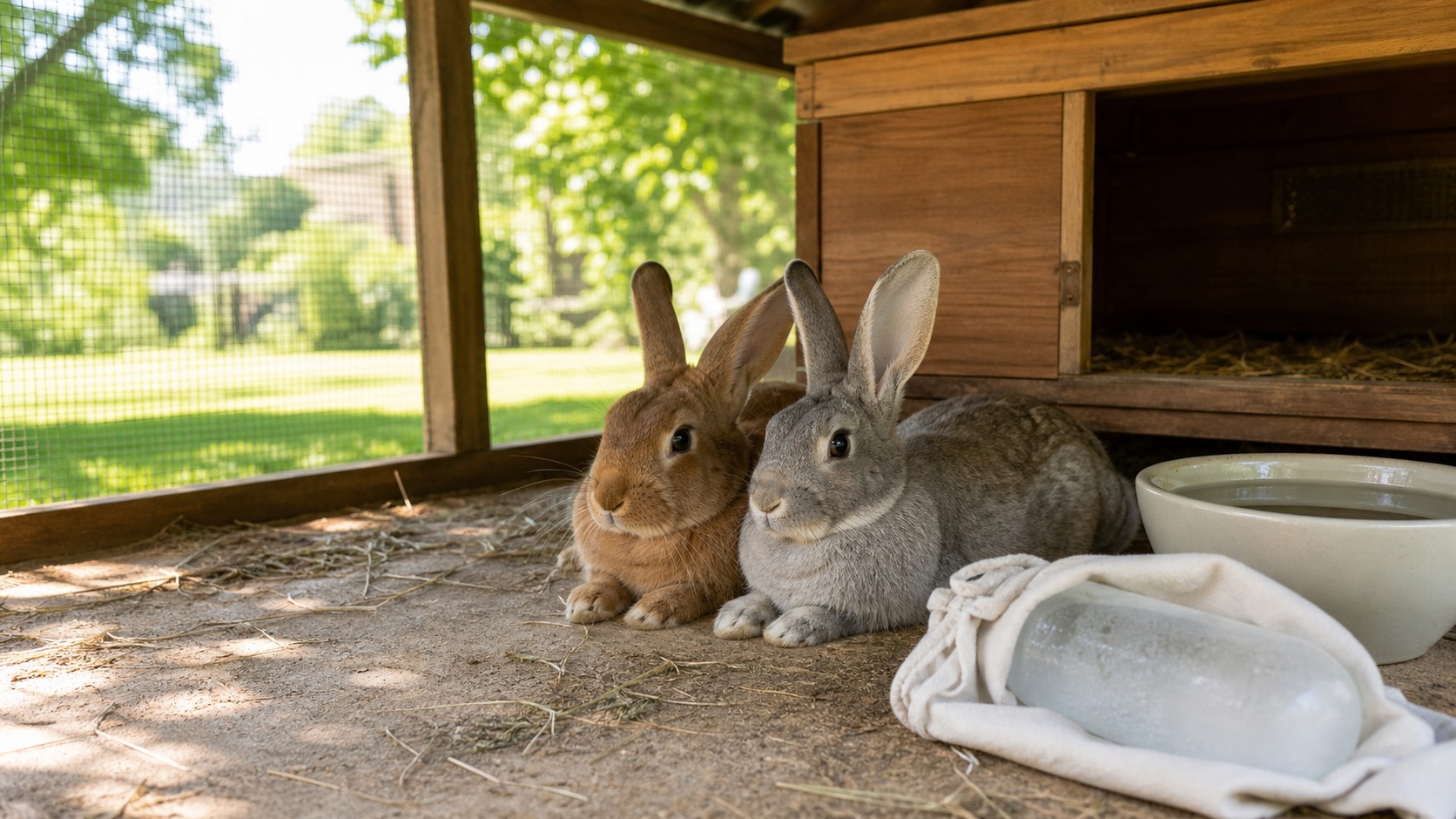
Keeping Rabbits Cool in Ohio: A Practical Summer Heat-Safety Guide
Help rabbits handle Ohio summer heat with practical shade, ventilation, water, cooling, travel, outage, and emergency-readiness steps for responsible owners.
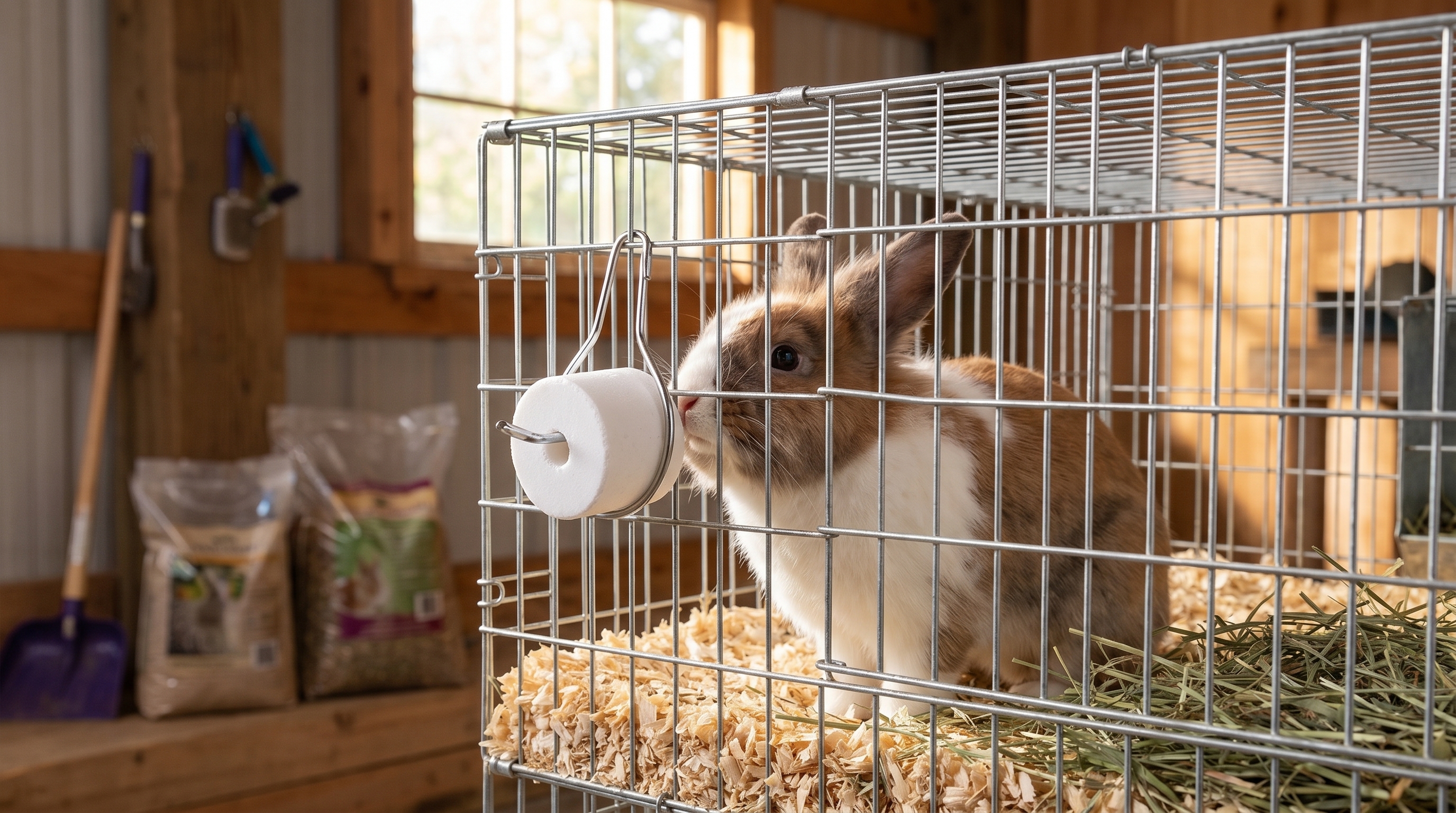
Why Your Rabbit's Salt Lick Keeps Ending Up in the Bedding — and the Simple Wire Fix That Solves It
Salt spools are one of the most common small animal accessories in any rabbitry or guinea pig setup — and one of the most commonly misused. The Little Giant Salt Spool Hanger clips to wire cages in seconds, keeps the spool elevated and clean, and costs almost nothing. Here is everything you need to know.