
The Organic Potting Soil That Actually Lives Up to the Hype: Coast of Maine Bar Harbor Blend
A deep dive into what makes this OMRI-listed, Maine-sourced potting mix stand out for containers, window boxes, and raised beds
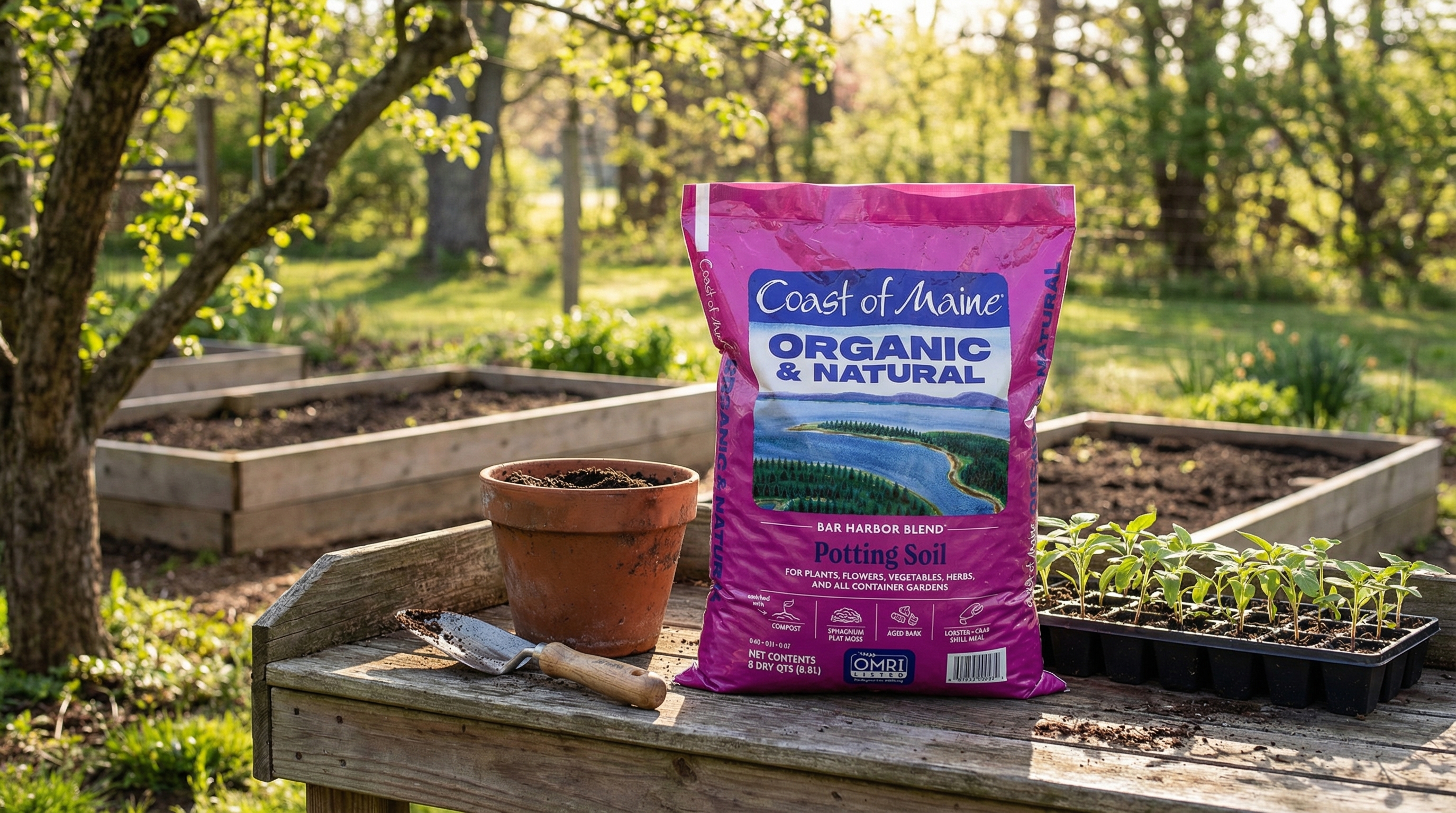
Walk into any garden center and you'll find a wall of potting soil bags. Most of them look the same: brown bag, vague promises about "rich, dark soil," and an ingredient list that doesn't say much. The reality is that many mass-market potting mixes are built around compressed peat and filler, held together with synthetic fertilizer to give transplants an early burst before the nutrients run out. If you've ever planted something in a bag of cheap potting mix and watched it stall out mid-season, you've seen this firsthand. Coast of Maine Bar Harbor Blend Potting Soil (8 qt) takes a different approach — one grounded in premium organic ingredients sourced from New England, no synthetic additives, and a consistent texture that container plants respond to. It's not the cheapest bag on the shelf, and it doesn't need to be.
What Makes Bar Harbor Blend Different
Coast of Maine built its reputation on sourcing real ingredients from real places. The Bar Harbor Blend takes its name from the Maine coast, and the materials in the bag reflect that heritage: aged bark, peat moss, compost, and perlite. Each of those plays a specific role in the final mix.
Aged bark provides structure and drainage. Fresh bark would be problematic in a potting mix — it competes with plants for nitrogen as it decomposes and can be allelopathic to some seedlings. Aged bark has already gone through the initial decomposition phase, which means it contributes stable organic matter and pore space without those early-stage drawbacks. It's the backbone of a mix that holds its structure over a full growing season without compacting into a hard, airless block.
Peat moss is the water retention component. Maine peat is harvested from coastal bogs where the cold, low-oxygen conditions preserve the sphagnum moss for centuries. It absorbs many times its weight in water and releases it slowly as plant roots draw moisture from the mix. In container gardening, where the volume of growing medium is limited and watering frequency matters enormously, this buffering effect is genuinely valuable.
Compost is where the biological richness comes in. Unlike synthetic fertilizers that deliver a one-time nutrient hit and leave, compost supports the microbial ecosystem that makes soil fertile over time. Well-made compost introduces beneficial microorganisms, humic acids, and slow-release nutrients that become available as the season progresses. It also improves the overall tilth of the mix — that physical quality that makes soil feel right in your hands and work right in a container.
Perlite rounds things out with drainage and aeration. Those small white volcanic particles create consistent air pockets throughout the mix, ensuring that roots have access to oxygen even when the mix is fully saturated. Without adequate aeration, container roots suffocate — a common but underappreciated cause of container plant failure. The perlite in Bar Harbor Blend prevents that.
OMRI Listed: What That Actually Means
The OMRI (Organic Materials Review Institute) listing on the bag isn't just a marketing badge. OMRI is an independent nonprofit organization that reviews products against the USDA National Organic Program standards. A product that carries the OMRI Listed seal has been reviewed and approved for use in certified organic production — meaning its ingredients have been evaluated and found compliant with organic regulations.
For most home gardeners, organic certification isn't the goal. But the OMRI listing still matters as a signal of ingredient quality and transparency. A company that submits to independent third-party review and achieves OMRI listing is making a verifiable claim about its ingredients — not just printing "natural" or "organic" on the bag without accountability.
Best Applications for the 8 Qt Size
The 8 quart bag is the right size for a specific category of container gardening — not massive in-ground beds or cubic-yard bulk orders, but the everyday container work that forms the heart of patio and porch gardening: window boxes, pots, hanging baskets, and small raised bed top-ups.
| Application | Typical Volume Needed | Notes |
|---|---|---|
| Standard 12" round pot | Approx. 5–6 qt | One bag fills a single 12" container with room to spare |
| 24" window box | Approx. 8–10 qt | One bag fills most standard window boxes |
| Hanging basket (10") | Approx. 3–4 qt | One bag fills two hanging baskets |
| Raised bed top-up | As needed | Excellent for refreshing depleted raised bed surface soil |
| Seed starting mix supplement | Small amounts | Can be blended with seed starting mix to add nutrients |
For gardeners who use containers extensively, buying the 8 qt bags in multiples makes sense. The consistent mix quality means you're getting the same result bag after bag, which matters when you're potting plants that will live in their containers for a full season or longer.
Container Gardening on a Real Growing Schedule
One of the practical advantages of a premium organic potting mix like Bar Harbor Blend is that it extends the nutritional window for container plants without relying solely on synthetic fertilizer top-ups. The compost in the mix continues releasing nutrients throughout the season as microbial activity breaks it down further. The aged bark contributes additional organic matter over time. Plants in a well-made organic mix often require less frequent fertilization than plants in cheap synthetic-fertilized mixes that exhaust their nutrient charge within the first few weeks.
That said, containers are a closed system. The finite volume of soil means nutrients are eventually depleted, especially for heavy feeders like tomatoes, peppers, and large flowering annuals. A good organic potting mix gives you a longer head start, but mid-season feeding with an organic liquid fertilizer or slow-release organic granules is still good practice for productive containers.
Using Bar Harbor Blend in Raised Beds
While Bar Harbor Blend is optimized for containers, it's also an excellent raised bed amendment — particularly for beds that have been in use for a season or more and are starting to show signs of compaction and nutrient depletion. Working a few inches of fresh Bar Harbor Blend into the top layer of an established raised bed refreshes the organic matter content, improves drainage, and reintroduces the microbial activity that gets depleted over a season of heavy cropping.
For new raised beds, Bar Harbor Blend can be blended with bulk compost and topsoil to create a complete growing medium. A common approach: roughly one-third compost, one-third topsoil, and one-third premium potting mix. The Bar Harbor Blend contributes structure, drainage, and organic complexity; the topsoil adds mineral content and weight; the compost provides nutrients and biology. The result is a raised bed medium that performs like premium garden soil from the first planting season.
What It's Not Right For
Being honest about limitations is part of giving accurate advice. Bar Harbor Blend is an 8 quart bag — it's not the right product for filling a large raised bed from scratch, conditioning a large in-ground garden area, or amending an entire lawn. For those applications, bulk topsoil, compost by the cubic yard, or large-format bagged products are more practical and cost-effective.
It's also not a seed starting mix. Seed starting requires a finer, lighter, lower-nutrient medium to prevent damping off and to allow delicate seedling roots to penetrate easily. Bar Harbor Blend's bark content makes it too coarse for seed starting trays. Use it for potting up seedlings after they've established their first true leaves, or for transplanting established starts into containers — not for germination.
Comparing Organic vs. Conventional Potting Mixes
| Feature | Organic Mix (Bar Harbor Blend) | Conventional Synthetic Mix |
|---|---|---|
| Primary ingredients | Aged bark, peat, compost, perlite | Peat, perlite, synthetic fertilizer |
| Nutrient source | Compost, slow-release organic matter | Synthetic fertilizer charge (6–12 weeks) |
| Soil biology | Supports microbial ecosystem | Minimal microbial benefit |
| OMRI / Organic certification | Yes — OMRI Listed | Typically no |
| Nutrient longevity | Gradual, season-long release | Fast burn, depletes quickly |
| Best for | Containers, raised beds, long-season crops | Quick potting, annuals, short-cycle crops |
Related Soil Products at Liberty Farm, Home & Garden
Depending on the scale and type of your garden projects, these complementary soil products are available at Liberty Farm, Home & Garden:
- Top Soil — Cubic Yard — For large-scale in-ground bed preparation, lawn leveling, and grading projects where you need volume.
- Top Soil Plus — Cubic Yard — An enhanced topsoil blend for raised beds and garden areas needing a nutrient-richer base soil.
- Nature's Blend Compost — Cubic Yard — Bulk compost for amending large beds, building raised bed mixes from scratch, or topdressing established gardens.
- Earthgro Top Soil (40 lb) — A practical bagged topsoil option for smaller projects — patching lawn bare spots, filling individual planting holes, or blending with potting mix in raised beds.
Frequently Asked Questions
Keep Reading
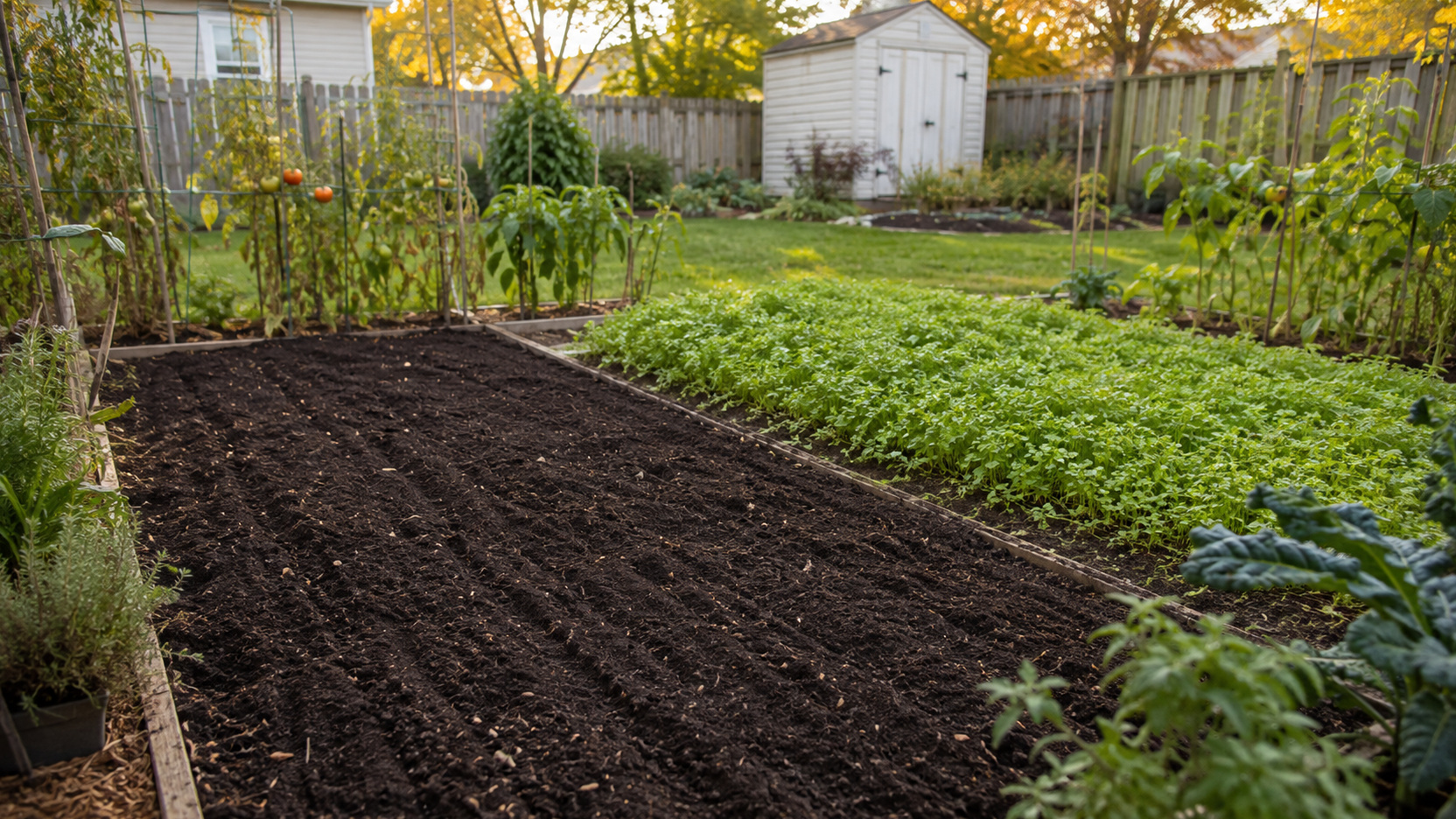
Plant Cover Crops Now: An Ohio Home Garden Guide
Plant fall cover crops in an Ohio vegetable garden with practical guidance on timing, species, seeding, winter care, and spring termination.
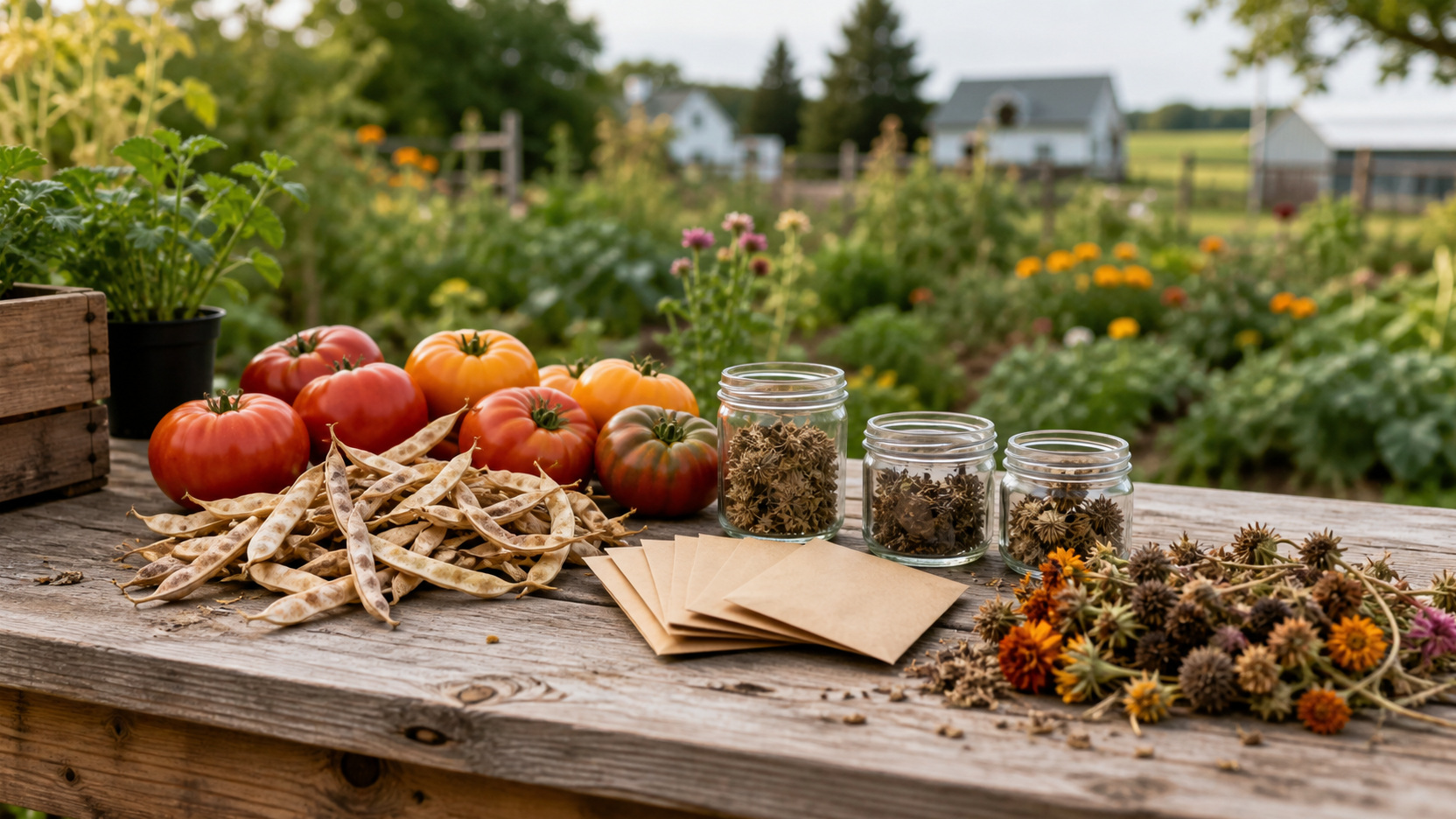
Save This Summer’s Garden: A Practical Ohio Seed-Saving Guide
Save tomato, bean, pea, lettuce, marigold, zinnia, and other garden seeds with this practical late-summer guide for Galion and north-central Ohio.