
The Hydration Problem Most Cat Owners Don't Know Their Cat Has — and How a Water Fountain Fixes It
Why cats instinctively distrust still water, what chronic dehydration quietly does to their kidneys, and why the Catit Pixi Water Fountain is one of the most practical health investments you can make for an indoor cat
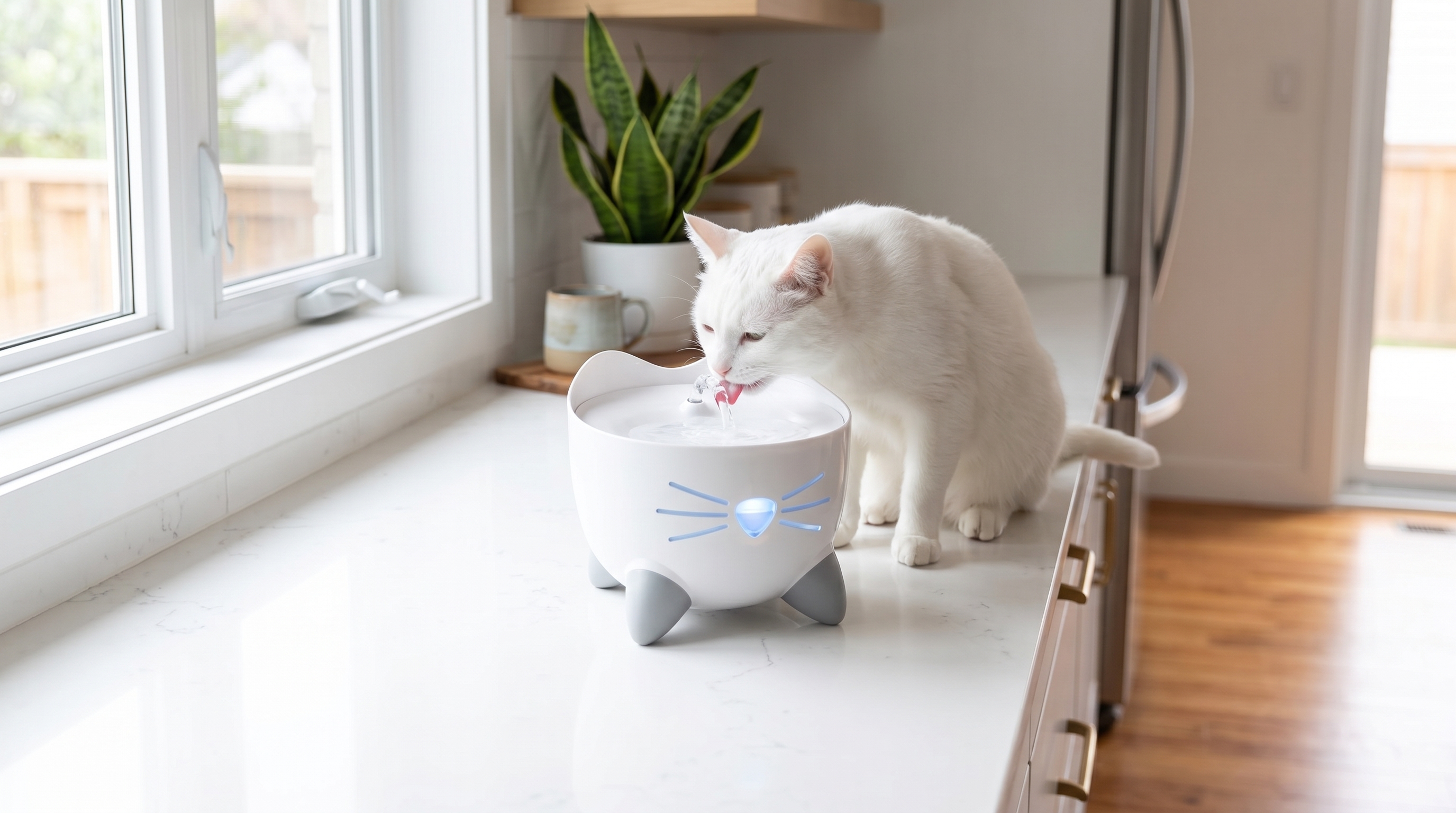
If your cat never seems interested in their water bowl, that's not a personality quirk — it's biology. Domestic cats descended from desert-dwelling wild cats who evolved to be deeply suspicious of still, stagnant water. In nature, water that isn't moving is water that might be contaminated. Cats are hardwired to prefer fresh, moving water sources, and the small bowl of tap water sitting on your kitchen floor doesn't register as "safe" to that ancient instinct. The result? Most indoor cats are chronically, quietly dehydrated — a state that quietly stresses their kidneys for years before symptoms ever appear. The Catit Pixi Water Fountain - White addresses this at the source: it keeps water in gentle, continuous motion, runs it through a triple-action filter that removes debris and softens the taste, glows with an LED nightlight that guides cats to it in the dark, and does all of this quietly enough that it won't wake a light sleeper. Liberty Farm, Home & Garden in Galion, Ohio carries the Catit Pixi so you can get your cat actually drinking.
Why Cats Are Built to Distrust Still Water
The domestic cat's relationship with water is one of the most misunderstood aspects of cat ownership. People assume that a bowl of fresh water is as appealing to a cat as it is to a dog or a human. It isn't — and understanding why changes how you think about cat hydration entirely.
Cats evolved in arid environments where still water was frequently contaminated. A puddle that isn't moving has had time to collect debris, host bacterial growth, and stagnate. Moving water — a stream, a spring, a trickle — is more likely to be fresh because the movement itself prevents the conditions that allow bacterial colonies to establish. Over thousands of generations, cats developed a strong preference for moving water and a healthy suspicion of still water. That instinct is still fully intact in every domestic cat sitting in your living room today.
There's also a sensory dimension. Cats rely on whisker sensitivity and visual cues to assess water. Still water in a bowl is visually inert — it doesn't give the cat much to track or evaluate. Moving water reflects light, creates ripple patterns on the surface, and generates subtle sounds that trigger the cat's attention and interest. It reads as "fresh" and "safe" in a way that still water simply doesn't.
Finally, still water in a bowl near a food dish picks up food particles, dust, and airborne debris quickly. Many cats will drink eagerly from a running faucet but ignore the full bowl sitting three feet away — not because they're being difficult, but because the faucet water smells and tastes fresher to their sensitive olfactory system. A fountain that keeps water moving and filtered addresses all of these instinctive concerns simultaneously.
What Chronic Dehydration Actually Does to a Cat's Kidneys
Chronic low-level dehydration in cats isn't a dramatic, visible problem. It's a slow one — which is precisely what makes it so damaging. Cats are physiologically built to extract moisture from their food (wild cats get most of their water intake from prey, which is roughly 70% moisture), not from drinking standing water. An indoor cat fed primarily dry kibble and an ignored water bowl is operating with a persistent moisture deficit that their body compensates for, but at a cost.
The organ that bears the greatest burden of chronic dehydration in cats is the kidney. The feline kidney is highly efficient at concentrating urine — more so than most mammals — which is a survival adaptation for desert conditions. But that efficiency comes with a vulnerability: concentrated urine over years creates the conditions for kidney damage, crystal formation, and urinary tract disease. Feline kidney disease is the leading cause of death in older cats, and veterinary researchers widely believe that lifelong low water intake is a significant contributing factor.
The specific risks associated with chronic underhydration in cats include:
- Feline idiopathic cystitis (FIC). Inflammation of the bladder without an identifiable infection — one of the most common reasons cats visit veterinarians. Concentrated, infrequent urination is a well-established contributing factor.
- Struvite and calcium oxalate crystals. Mineral crystals that form in the urinary tract when urine is highly concentrated. Crystals cause pain, blockages (particularly dangerous in male cats), and ongoing urinary tract damage.
- Chronic kidney disease (CKD). The kidneys gradually lose function over years. By the time CKD is symptomatic, significant irreversible damage has typically occurred. Adequate lifetime hydration is one of the few modifiable risk factors.
Getting your cat to drink more water isn't a luxury — it's one of the most impactful things you can do for their long-term health. And the most reliable way to increase water intake in a cat is to make the water more appealing to drink, which is exactly what a properly designed fountain does.
How the Catit Pixi Water Fountain Works
The Catit Pixi is a plug-in recirculating water fountain — it uses a small electric pump to continuously circulate water through the unit, up through a filter, and back out through the top in a gentle, visible flow. The 2.5-liter reservoir holds enough water for most single-cat households to go a day or two between top-offs, while the constant circulation keeps the water oxygenated and moving rather than sitting still.
The design philosophy behind the Pixi is compact and modern rather than large and utilitarian. The unit is small enough to sit on a countertop, a bathroom vanity, or beside a feeding station without dominating the space. The white finish fits a contemporary kitchen or living area without looking like a piece of veterinary equipment. This matters for adoption: fountains that get tucked away in corners or moved to utility rooms because they're unattractive tend not to get used — by cats or their owners.
The flow is deliberately gentle — not a strong jet or a high arc, but a soft, visible trickle that creates ripples across the water surface. This level of movement is enough to engage a cat's instinctive interest in moving water without the splashing and turbulence that might deter cats who are sensitive to noise or movement near their face while drinking. Cats who have never shown interest in still water bowls consistently approach fountains on their own and begin drinking without encouragement.
The pump is ultra-quiet, which is a practical requirement for a device that runs continuously in a living space. The Pixi is designed not to disturb the household during sleeping hours — important for bedrooms where cats often sleep and drink, and for light sleepers who would otherwise find the background noise disruptive.
The Triple-Action Filter: What It Removes and Why It Matters
The Catit Pixi uses a triple-action filter that handles three distinct water quality issues in a single replaceable cartridge. Understanding what each layer does helps clarify why filtered fountain water tastes and smells meaningfully better to a cat than tap water from a bowl.
The three filtration stages are:
- Debris and sediment removal. The outer layer of the filter catches hair, dust, food particles, and any physical debris that enters the water. This keeps visible particles from circulating through the pump and accumulating in the water supply. Cats are sensitive to particulates in their water — a clean filter keeps the water visually clear.
- Mineral softening (ion exchange). The middle layer contains an ion exchange resin that softens the water by reducing calcium and magnesium mineral hardness. Hard tap water has a distinct taste that many cats find off-putting. Softened water tastes milder and more neutral — closer to the taste of spring water or rainwater, which cats naturally prefer. This is often the single biggest reason a cat starts drinking noticeably more from a fountain than from a plain tap-water bowl.
- Odor and taste absorption (activated carbon). The inner layer uses activated carbon to absorb chlorine, chloramines, and other dissolved compounds that contribute to the chemical smell and taste of treated municipal tap water. Cats have a far more sensitive olfactory system than humans — the chlorine smell in tap water that we barely notice is much more pronounced to a cat and can actively discourage drinking.
The filter needs to be replaced on a regular schedule — roughly every month under normal use — to maintain effectiveness. A filter that has exhausted its capacity stops removing minerals and odors and can actually become a source of biological buildup if left in place too long. Replacement Catit Pixi filter cartridges are sold separately and are widely available.
The LED Nightlight: A Feature That's More Useful Than It Sounds
The Catit Pixi includes a built-in LED nightlight that illuminates the fountain at night. This is the kind of feature that sounds like a minor cosmetic detail but turns out to be practically significant for a few reasons.
Cats are crepuscular — most active at dawn and dusk, with a secondary activity period in the middle of the night. A cat that is thirsty at 2 AM in a dark house navigates by scent and sound as much as by sight. A glowing fountain is visually distinct from the surrounding darkness and actively guides the cat to the water source rather than requiring them to find it by memory alone. In a house where the fountain is in a kitchen or hallway that doesn't receive ambient streetlight, the nightlight makes a meaningful difference in nighttime drinking frequency.
There's also a secondary benefit: the soft glow makes the moving water surface visible in low light. Cats are highly responsive to the visual cue of light reflecting off moving water — it's part of what makes fountains more appealing than still bowls. At night, a still bowl is effectively invisible from a distance; the Pixi's illuminated flow remains visible and attractive in the dark.
For cat owners, the nightlight serves as a quick visual confirmation from across the room that the fountain is running and water is present. A dark fountain at night means the pump has stopped or the water level is low — a useful operational signal that you might not otherwise catch until morning.
Capacity, Footprint, and Practical Fit
The Catit Pixi holds 2.5 liters of water — roughly 84 ounces. For a single adult cat who is drinking well, this is approximately a two-day supply before a top-off is needed. For a household with two cats, plan on daily top-offs. The reservoir is not designed to be left completely unmonitored for multi-day stretches, particularly in warmer months when evaporation is higher.
The compact design is a genuine selling point for households where counter or floor space is limited. The Pixi has a notably small footprint compared to other fountain designs — it doesn't require a dedicated corner or a full section of floor space. This makes it practical for apartments, smaller homes, or setups where the fountain shares space with a feeding station or food bowls. The modern, clean-lined aesthetic also means it integrates well with contemporary kitchen or living room decor without looking out of place.
Placement considerations worth thinking through:
- Keep it away from the food bowl. Cats instinctively prefer water sources that are separated from their food — again, a wild instinct tied to contamination avoidance (prey can contaminate a nearby water source). A fountain placed directly beside the food bowl may get less use than one positioned a few feet away.
- Accessible flooring. On a smooth countertop, the fountain can slide if a cat leans heavily on the edge. A non-slip mat underneath prevents this and protects the surface.
- Near a power outlet. The Pixi requires a constant power connection to run the pump. Plan placement around outlet access — the cord is modest in length and an extension cord works if needed, but a nearby outlet makes the installation cleaner.
- Visible to the cat. The first few days with a new fountain are about discovery. Place it somewhere your cat already visits, not tucked away in an out-of-the-way location where it may not be found initially.
Cleaning and Maintenance: Keeping the Pixi Performing
A fountain that isn't cleaned regularly becomes a biofilm source rather than a clean water source. The warm, continuously wet environment inside a recirculating fountain is hospitable to bacterial and algae growth if not maintained — which would defeat the entire purpose of providing fresh, appealing water to your cat.
The Catit Pixi is designed for regular, practical cleaning. The unit disassembles into its component parts for a thorough wash:
- Weekly full cleaning. Disassemble the fountain completely — reservoir, top flow piece, pump, and filter housing. Wash all plastic components with warm water and a mild, fragrance-free soap or a pet-safe fountain cleaner. Avoid scented soaps; cats are sensitive to fragrance residues and may avoid the fountain if it smells of cleaning product. Rinse thoroughly.
- Pump maintenance. The small impeller pump is the heart of the system. Remove it from the housing, disassemble the impeller shaft if possible, and flush any debris from the impeller chamber. A build-up of mineral scale or debris on the impeller is the most common cause of a fountain running quieter (or more noisily) over time. A soft brush or cotton swab cleans the impeller and housing effectively.
- Filter replacement. Replace the filter cartridge approximately every month. Mark the change date on the bottom of the unit or set a phone reminder. A gray or discolored filter that's past its service life is no longer providing meaningful filtration and should be replaced rather than cleaned and reused.
- Daily top-off. Check the water level daily and top off as needed. Running the pump dry — which can happen if the reservoir empties while you're away — will damage the pump over time. Some owners mark a minimum fill line on the reservoir with a piece of tape to make the low-water threshold visible at a glance.
A cleaned, properly maintained Pixi produces noticeably fresher water than a neglected one. The difference in cat drinking behavior between a clean fountain and one that hasn't been washed in several weeks is often striking — another reminder that cats are responding to water quality, not just water movement.
Water Temperature, Seasonal Use, and Keeping Outdoor Pets Hydrated in Winter
The Catit Pixi is an indoor fountain, running at room temperature — which is precisely what indoor cats need year-round. Room-temperature water is easier for cats to drink than ice-cold water, and the recirculation keeps it from warming to an unappealing temperature in a heated home.
For households with outdoor cats, outdoor dogs, or other animals that need water access during Ohio winters, the indoor fountain solves the indoor problem but leaves the outdoor challenge unaddressed. Outdoor water sources freeze in Ohio winters, and a frozen bowl is no water source at all. The Allied Precision Heated Plastic Pet Bowl (50-watt, 5 qt) is the outdoor companion to the indoor fountain — a thermostatically controlled heated bowl that keeps water liquid even when temperatures drop well below freezing. The 5-quart capacity is practical for a dog, outdoor cat colony, or farm animal that needs a reliable water source through the winter months.
The combination of an indoor fountain like the Catit Pixi and an outdoor heated bowl like the Allied Precision gives you complete, year-round hydration coverage — moving filtered water indoors where cats can drink freely, and reliably unfrozen water outdoors where freezing temperatures would otherwise make water inaccessible.
| Specification | Details |
|---|---|
| Product | Catit Pixi Water Fountain |
| Color | White |
| Capacity | 2.5 liters (approximately 84 oz) |
| Flow Type | Continuous recirculating, gentle trickle at surface |
| Filter | Triple-action: debris removal, mineral softening (ion exchange), activated carbon odor absorption |
| Filter Replacement | Approximately every 30 days under normal use |
| Pump | Ultra-quiet electric pump |
| Nightlight | LED — guides cats to water in low-light conditions |
| Power | Plug-in (continuous power required) |
| Best For | Indoor cats, single-cat or multi-cat households |
| Brand | Catit |
| Available At | Liberty Farm, Home & Garden, Galion, Ohio |
Introducing the Fountain: Getting a Skeptical Cat to Use It
Cats are creatures of habit, and any change to their environment — including a new water source that makes noise — can be met with initial suspicion. A cat that ignores the fountain for the first day or two isn't rejecting it permanently; they're evaluating it at their own pace.
A few strategies that consistently help with fountain adoption:
- Place the fountain near the existing water bowl initially. Leave both available for the first week. Many cats will approach the fountain out of curiosity within the first few days and begin using it on their own. Once you see regular use, you can remove the bowl.
- Don't remove the old bowl immediately. Abrupt removal of the existing water source before the cat has accepted the fountain creates stress. Let the cat make the transition at their own pace.
- Let them investigate on their own terms. Don't force or carry the cat to the fountain to demonstrate it. Place it, turn it on, and let the sound of the moving water draw their curiosity naturally.
- Run the fountain during active hours. A cat that is awake and moving around the house is more likely to investigate a new sound than one that is sleeping. The initial discovery typically happens during the cat's active period in the morning or evening.
Most cats adopt a fountain within a few days to a week. Cats that have been heavy drinkers from running faucets tend to adopt fountains the fastest, since they already associate moving water with drinking. Cats that have been minimal drinkers from still bowls often show a notable increase in daily water intake once they've made the connection between the fountain and fresh, moving water.
Stop by Liberty Farm, Home & Garden in Galion, Ohio to pick up the Catit Pixi Water Fountain. Our team can answer questions about setup, placement, and keeping your cat well-hydrated — a small investment that pays dividends in long-term feline kidney health.
Frequently Asked Questions
Keep Reading
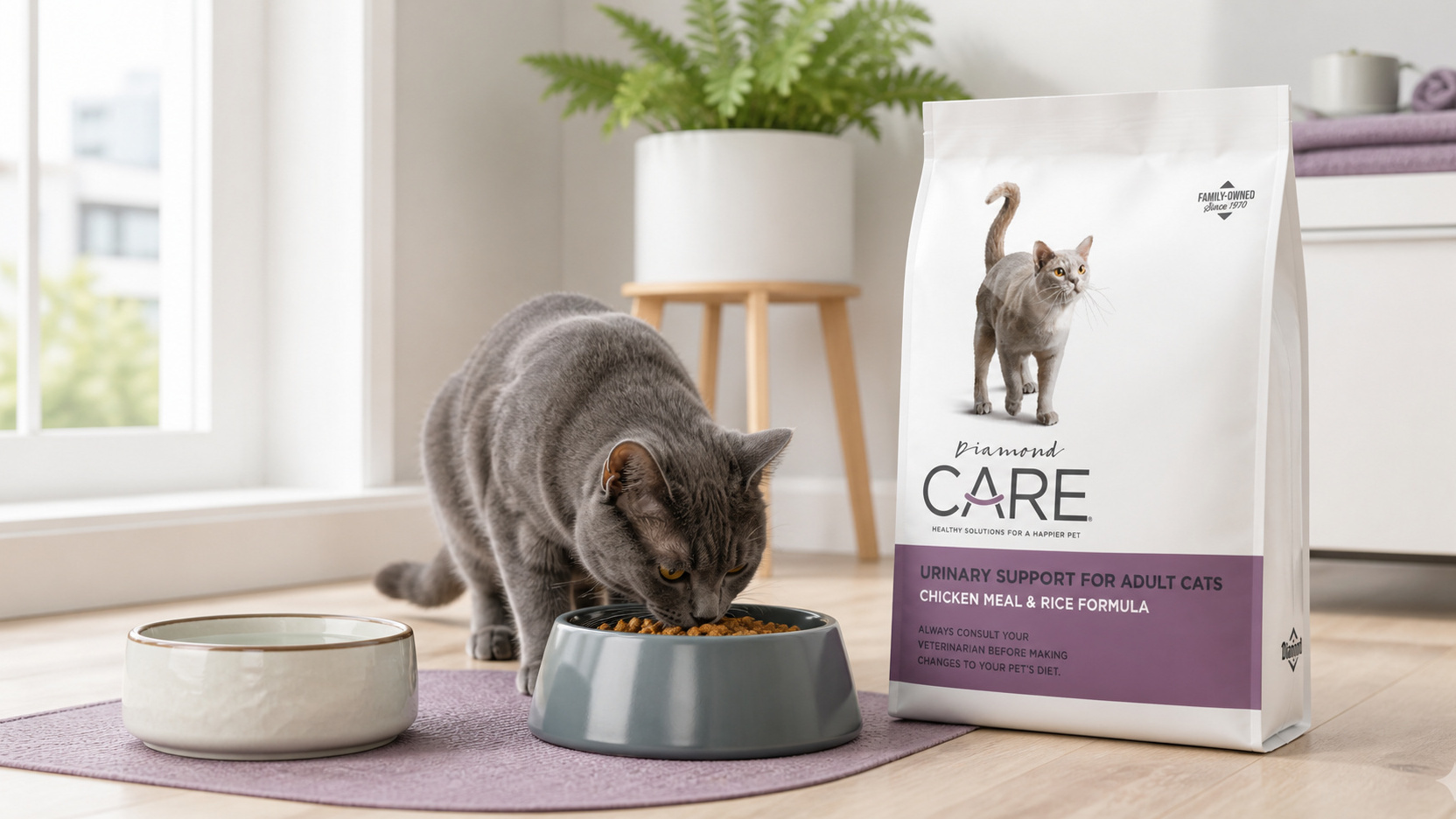
Protect Your Cat's Urinary Health This August: A Complete Guide to Urinary Support Nutrition
Learn why August heat puts indoor cats at higher risk for urinary problems and how Diamond CARE Urinary Support for Adult Cats can help — available at Liberty Farm, Home & Garden in Galion, Ohio.
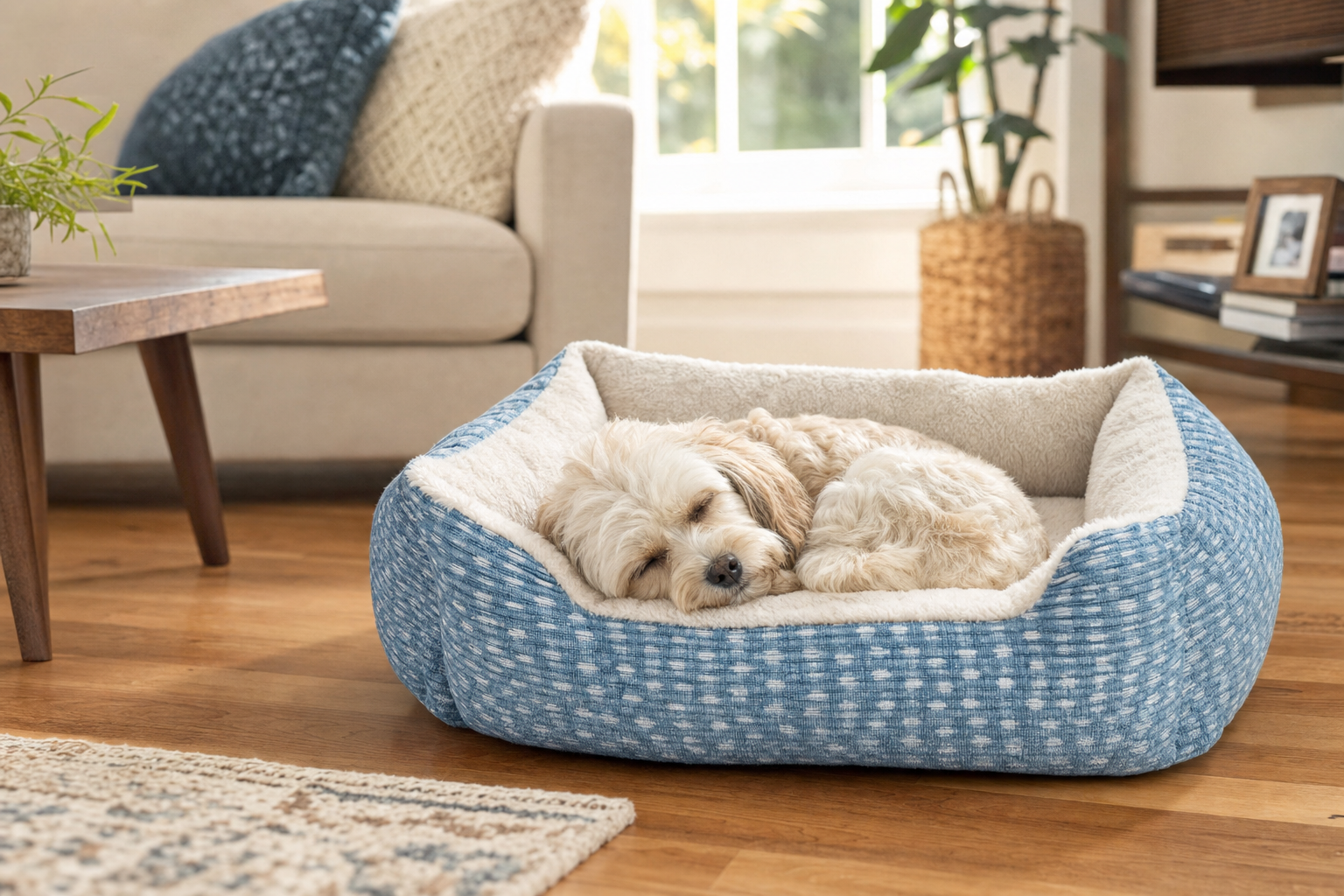
The Small Pet Bed That Actually Washes Clean: A Complete Guide to the Vibrant Life Dog & Cat Bed (Blue & White, 19" × 15")
Why a soft plush bed with a non-slip bottom and machine-washable construction makes more practical sense for small dogs and cats than people expect — and how to pick the right size and style for your home