
When Should You Plant Amaryllis for Holiday Flowers?
For many holiday-ready amaryllis bulbs, planting about six to eight weeks before Christmas puts flowers within reach, although some varieties take longer. Here’s how to choose a start date, pot the bulb, and care for it through its winter display in your Galion home.
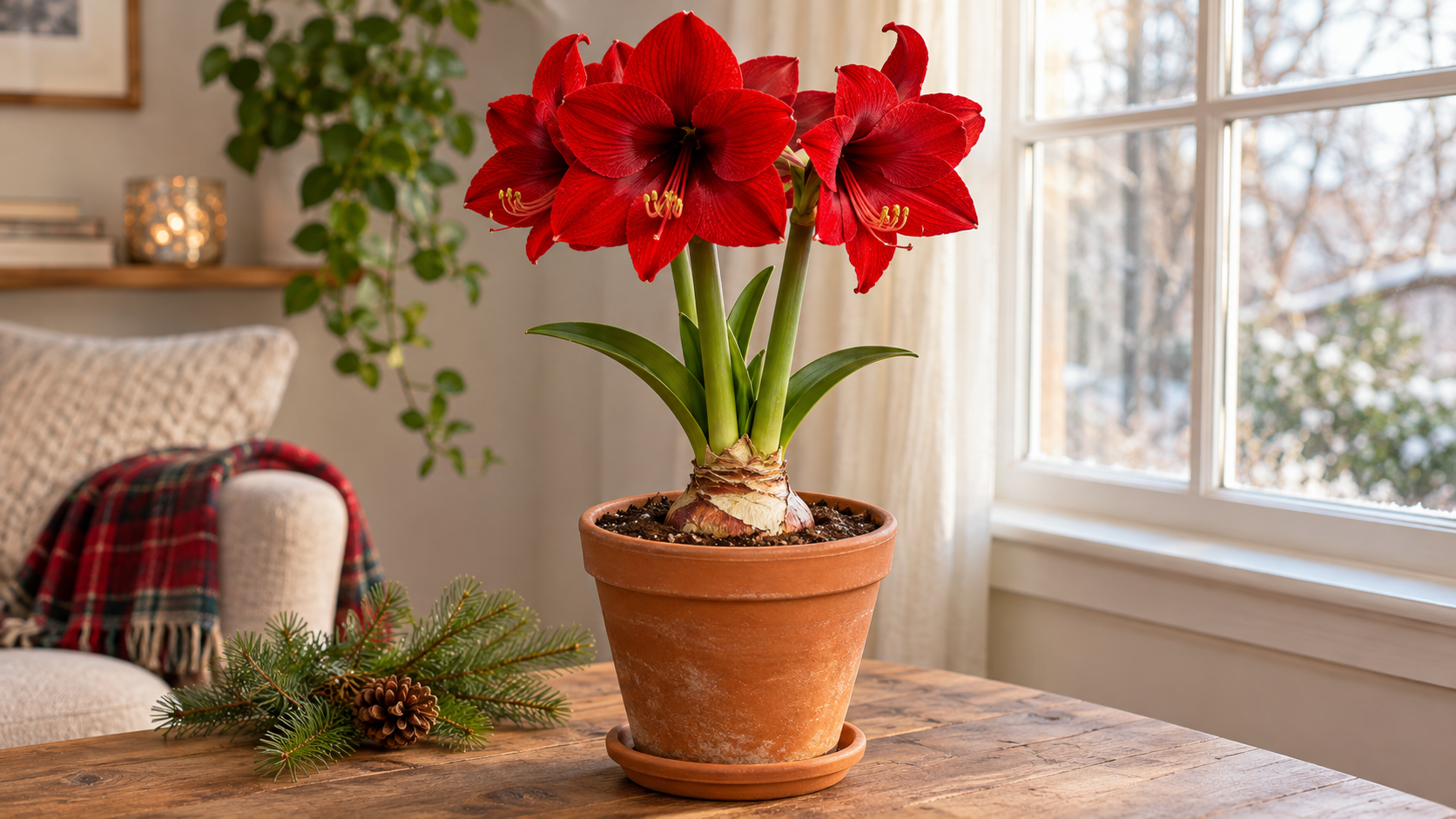
Count Back From the Day You Want Flowers
For flowers around December 25, a six-to-eight-week growing period means planting roughly October 30 through November 13. This is a planning window, not a promise: some amaryllis varieties take around ten weeks to begin flowering. Check the bulb’s package for its expected timing before choosing a planting date.
If you’re starting in November, choose a bulb sold for holiday flowering and get it planted promptly. A plant already showing flower buds is a better choice when you need color for a particular gathering. For a longer season of flowers, start several bulbs at different times.
Choose a Healthy Bulb and a Snug Pot
Select a firm bulb without soft spots, mold, or visible damage. A little green growth is normal. Within the same variety, larger bulbs generally offer more flower stalks and blooms.
Choose a stable pot with drainage holes, about 1–2 inches wider in diameter than the bulb. A heavy container helps support the tall flower stalk. Use fresh houseplant potting mix rather than soil dug from the yard.
Leave the Top of the Bulb Showing
Set the bulb with its roots pointing down and its pointed end up. Add mix around the roots, leaving the upper one-third to one-half of the bulb above the surface. Gently firm the mix, then water thoroughly and let the pot drain.
Afterward, check moisture before watering again. The University of Minnesota recommends watering when the top 2 inches of mix feel dry. Empty the saucer or decorative outer pot so the bulb never stands in water. A newly planted bulb needs patience, not constantly wet soil.
Give It Warmth to Grow and a Cooler Place to Bloom
While roots and shoots develop, provide bright window light and a room temperature around 70–75°F. Turn the pot periodically to encourage straighter growth, and add a support if the flower stalk becomes top-heavy. Insert a stake carefully beside the bulb rather than through it.
Once the flowers open, a cooler spot near 65°F, away from direct sunlight and heating vents, can help them last longer. Keep the plant indoors and protected from frost.
A Few Questions Before You Start
Does a new bulb need a spell in the refrigerator? Holiday-ready bulbs are generally sold ready to grow, so follow their package directions rather than adding an extra chilling period. A bulb saved from last year needs its own reblooming plan.
What if leaves appear before a flower stalk? That can be normal. Leaves alone do not mean the bulb has failed.
Is amaryllis safe around pets? Amaryllis sold as Hippeastrum is toxic to cats and dogs, and the bulb is especially hazardous. Keep it inaccessible to pets. If chewing or ingestion is suspected, contact your veterinarian promptly.
Keep the Bulb Growing After the Flowers Fade
An amaryllis does not have to be a one-season decoration. Remove spent flowers, but keep healthy green leaves. Return the plant to a sunny location, continue watering as needed, and follow a houseplant fertilizer’s directions for after-flowering care. The leaves help rebuild the bulb’s reserves for future flowers.
If you move it outdoors later, wait until spring frost danger has passed and introduce it gradually to outdoor conditions. Bring it back inside before fall frost.
Planning a holiday planter? Contact Liberty Farm, Home & Garden in Galion to ask about current bulb and potting-supply availability before making a trip.
Keep Reading
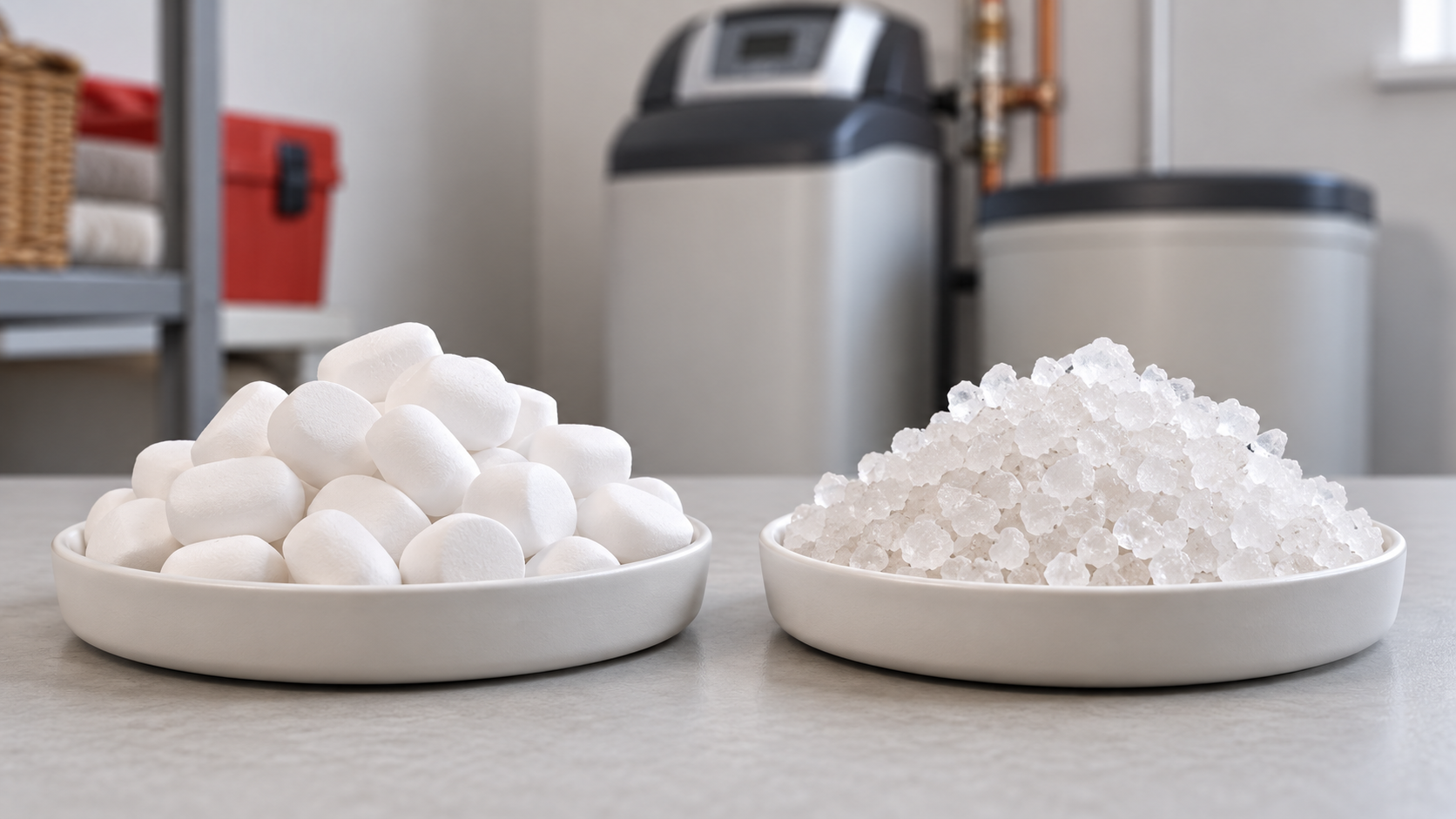
Water Softener Salt: Pellets or Crystals for Your Galion Home?
Compare water-softener salt pellets and crystals, learn what to check before switching, and plan your next salt purchase in Galion, Ohio.
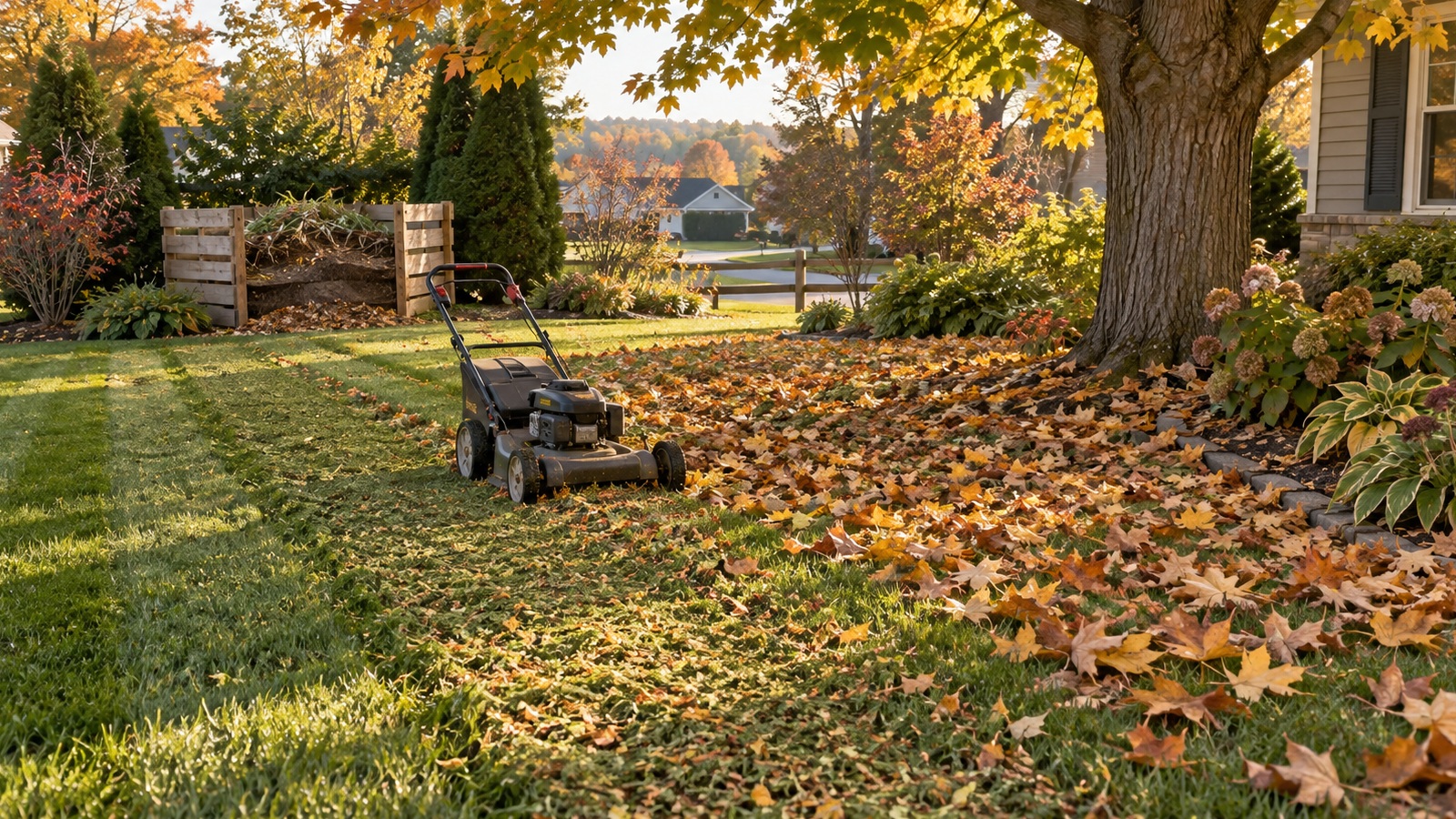
Don’t Bag Every Leaf: A Practical Ohio Fall Yard Plan
Make a practical Ohio fall leaf plan: mulch light layers into the lawn, save habitat in garden beds, compost the excess, and avoid common mistakes.