
Why Are Stink Bugs Coming Inside? A Fall Guide for Ohio Homes
Stink bugs move toward Ohio homes in fall looking for sheltered places to spend winter. For homeowners in Galion and the surrounding area, a few practical steps can help: recognize the insect, remove indoor visitors gently, and repair the openings they use to get inside.
Keep Stink Bugs Outside This Fall
Why They Show Up in Fall
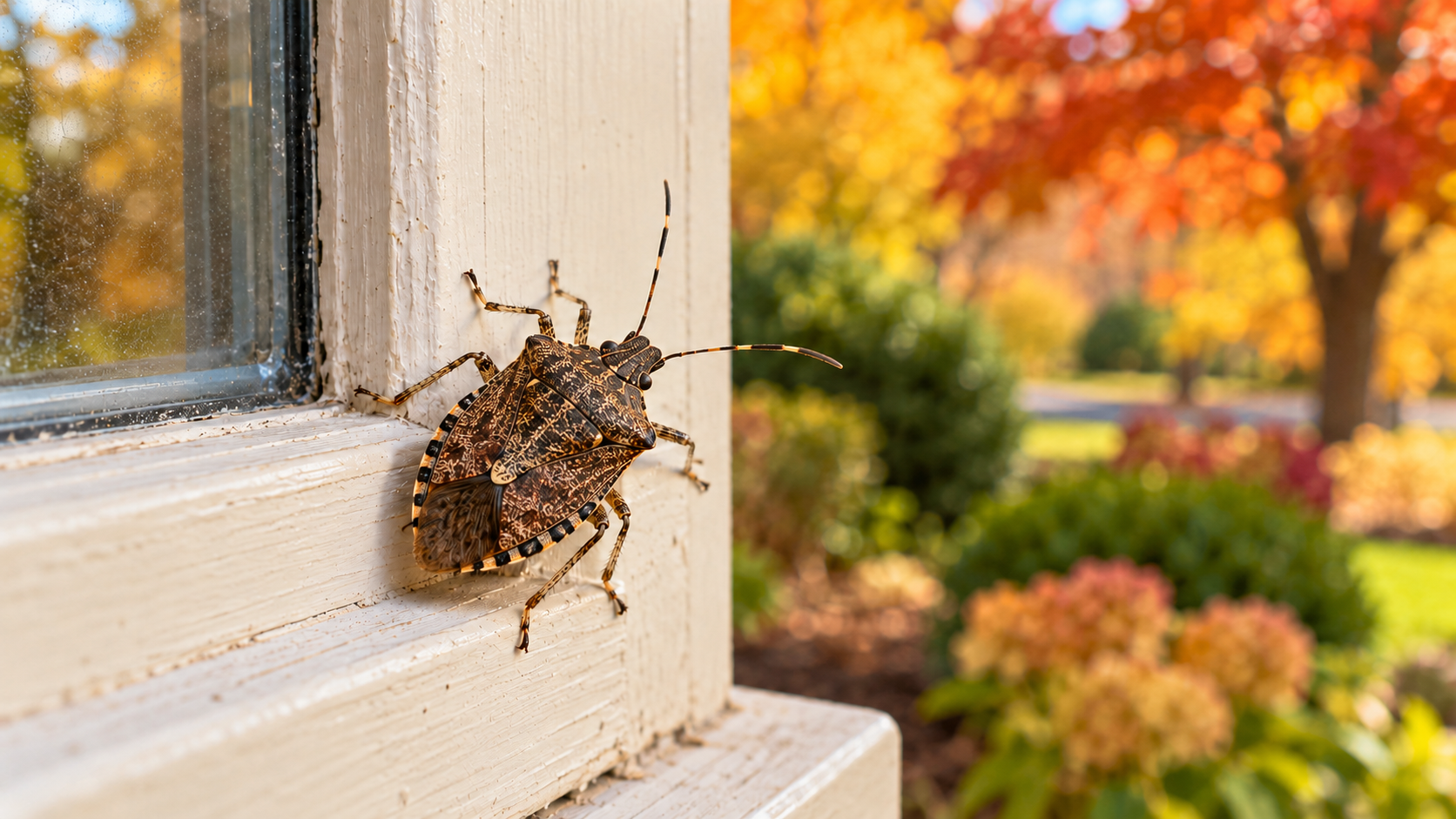
Cooler weather sends brown marmorated stink bugs searching for protected places to spend winter. They may gather on sun-warmed exterior walls before slipping through small openings into attics, wall spaces, and other sheltered spots. They’re looking for shelter, so finding a few doesn’t mean your house is dirty. Ohio State Extension
Check the Shape and Markings
An adult brown marmorated stink bug has a broad, shield-shaped body with mottled brown coloring. Look for alternating pale and dark bands on the antennae and along the exposed edge of the abdomen.
Other insects can look similar. Take a clear photo from above and compare it with an identification guide before choosing a response. Minnesota Extension identification guide
Remove a Few Bugs Without Crushing Them
For an occasional visitor, hold a container of soapy water below the insect and gently nudge it in with cardboard or a small brush. Work carefully around curtains and furniture, and keep the container away from children and pets.
Avoid crushing stink bugs against walls, fabric, or window trim. Disturbing them can release their defensive odor, and crushing can leave stains.
Vacuuming is another option for larger numbers, but the odor can linger in the machine. Keep that tradeoff in mind before reaching for your everyday household vacuum. Maryland Extension removal advice
Find the Gaps Around Your Home
The most useful long-term step is reducing entry points. Check for:
- Torn window and door screens
- Worn weatherstripping and door sweeps
- Gaps around window frames, siding, and utility pipes
- Loose trim and damaged soffits
Repair screens, replace worn seals, and use an appropriate exterior sealant for unintended cracks. Match the repair to the building material and follow the product directions.
Leave designed drainage openings and required ventilation clear. If an opening belongs to an exhaust outlet or another building system, get advice on the correct repair before covering it. Concentrate on places you can inspect safely from the ground.
Skip Indoor Foggers
Indoor insecticide foggers are not recommended for stink bugs. They won’t reach every insect hidden in a building or prevent more from entering. Spraying into cracks after bugs have reached wall spaces is also not a reliable fix.
Gentle removal and entry-point repairs are the practical starting points. If large numbers keep appearing or repairs are difficult to access, a licensed pest-management professional can help assess the problem. Any pesticide use must follow the label for the specific pest and location. Maryland Extension guidance
Why One Might Reappear in Winter
A stink bug at the window in January may have entered months earlier. A warm day or indoor heating can activate adults sheltering inside the building. Brown marmorated stink bugs do not reproduce indoors during winter, so an occasional sighting doesn’t by itself mean they’re breeding in the house. Minnesota Extension
Your Fall Home Check
Start with a quick window-and-door inspection this week and note the repairs you can tackle safely. Removing individual bugs helps with today’s visitors; closing unintended gaps helps reduce the next arrivals.
If your inspection also reveals rodent signs, our Ohio home and outbuilding mouse-prevention guide covers the different exclusion and cleanup steps that problem requires.
Keep Reading
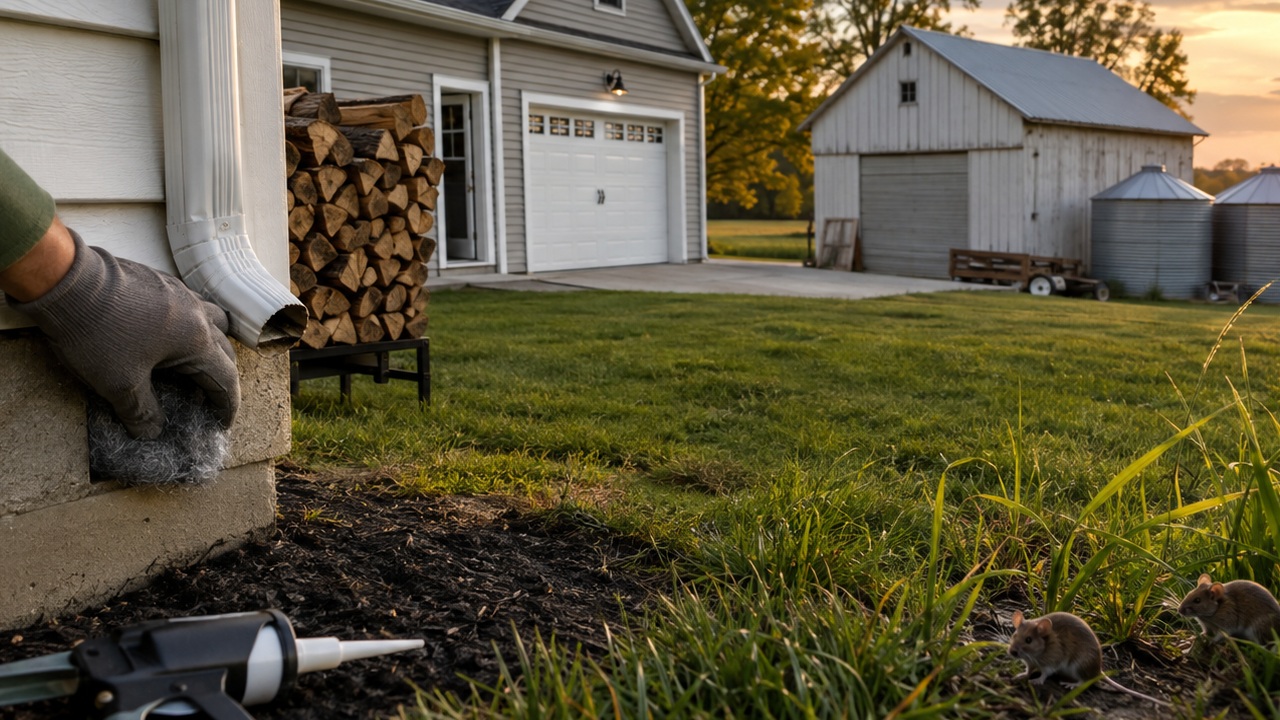
Stop Mice Before Fall: A Practical Ohio Home and Outbuilding Guide
Mouse-proof your Ohio home, garage, barn, or feed shed before fall with practical exclusion, storage, trapping, and safe cleanup steps.
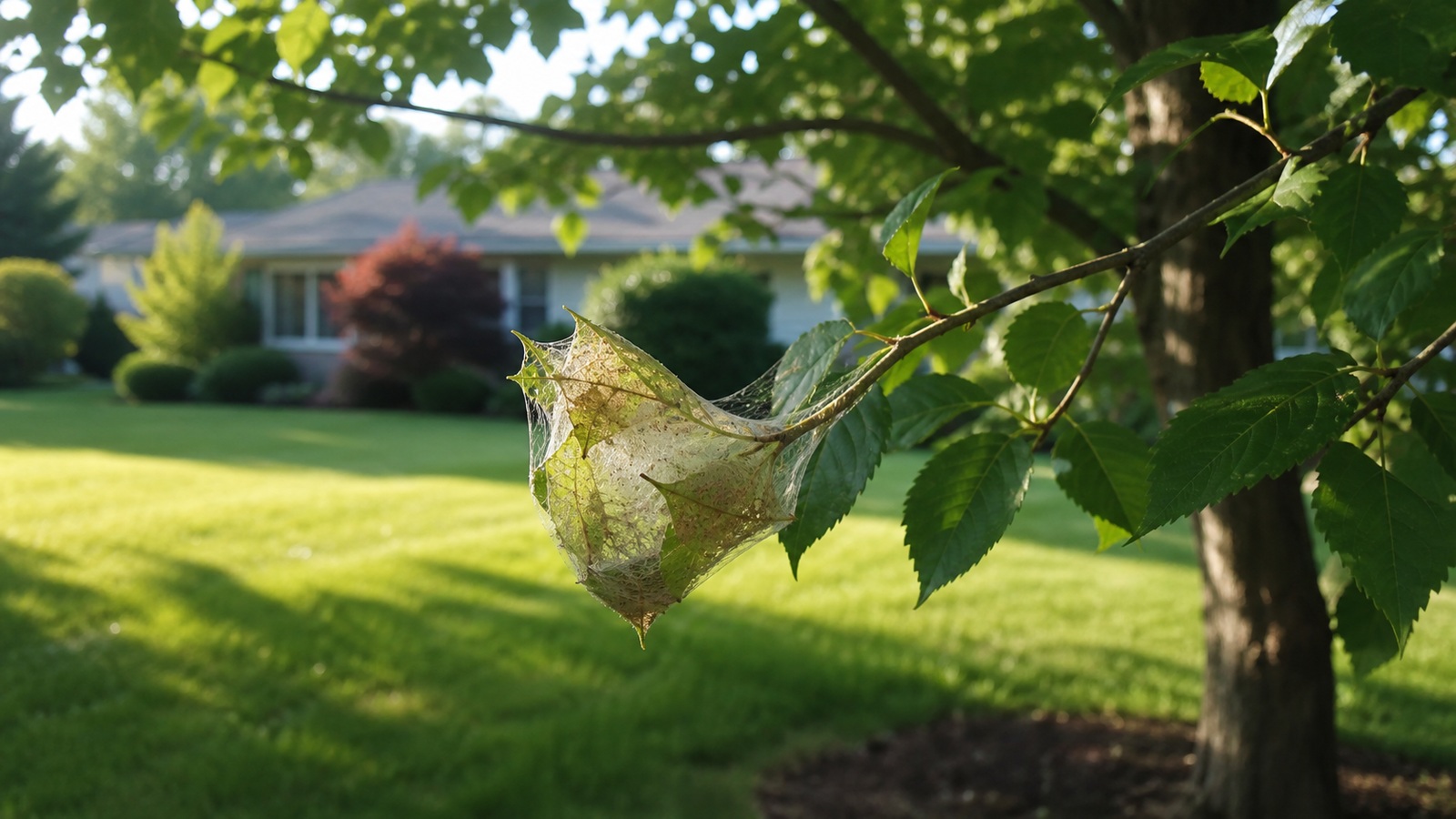
Fall Webworms in Ohio: What to Do About Those Late-Summer Tree Nests
Identify fall webworm nests in Ohio trees, distinguish them from tent caterpillars, assess damage, and choose safe late-summer management.