
Feed Everything in Your Garden at Once: A Complete Guide to Schultz All Purpose Fertilizer
July is prime feeding season in Ohio — your plants are working hard, and the right balanced fertilizer can make the difference between a garden that struggles and one that surges. This complete guide shows you exactly how to use Schultz All Purpose Fertilizer on everything from tomatoes to ornamental trees.
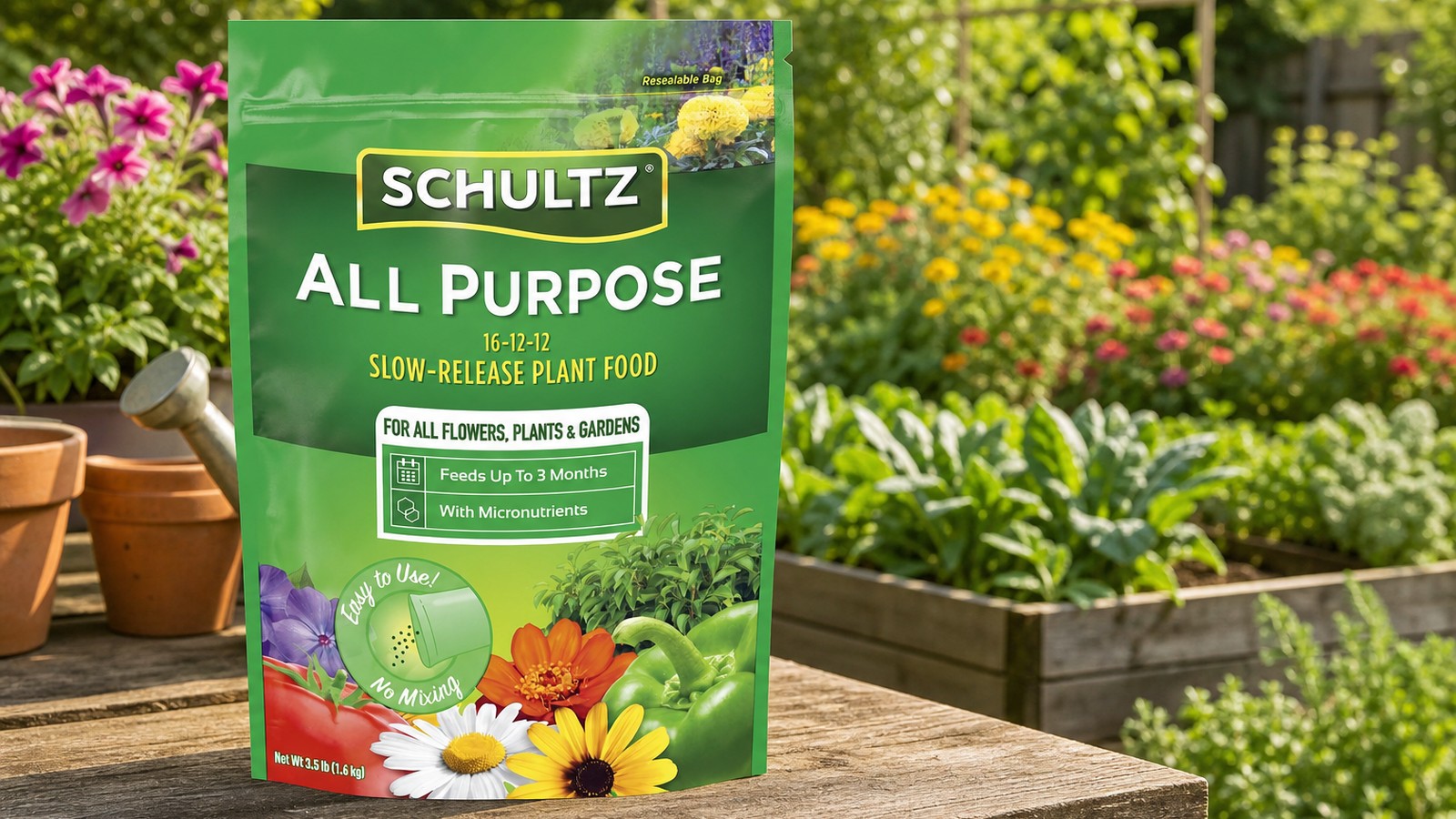
By the time July arrives in north-central Ohio, your garden is no longer just getting started — it's in full stride. Vegetables are setting fruit, annuals are blooming, perennials are pushing their tallest growth, and even your trees and shrubs are deep into their most metabolically demanding weeks of the year. All of that activity means one thing: your plants are hungry. Schultz All Purpose Fertilizer gives you a single, balanced granular formula you can reach for across every corner of your yard — flowers, vegetables, trees, shrubs — without swapping bags or doing complicated math. This guide walks you through exactly why July is the right moment to feed, which plants benefit most, and how to apply it correctly so you get the most out of every granule.
Why July Is the Critical Feeding Window in Ohio
Gardeners in USDA Hardiness Zone 6 — which covers Galion and most of Crawford County — work with a relatively defined warm season. Your last frost typically falls in late April, and the first fall frost arrives around mid-October. That gives you roughly 170 days of productive growing, and the month of July sits squarely in the middle of that window.
This is not a time for plants to coast. July in Ohio brings average daytime highs in the mid-80s°F, soil temperatures that routinely reach 75–85°F at the root zone, and the longest stretches of intense sun the season offers. Photosynthesis runs at its fastest. Fruits swell. Roots expand. Flowers push successive flushes of bloom. All of that biological activity depends on a steady supply of the three primary macronutrients: nitrogen for leaf and stem growth, phosphorus for root development and flowering, and potassium for overall plant health, disease resistance, and water movement through tissue.
Here's the catch: Ohio's native soils — often heavy clay in Crawford County — bind up nutrients or flush them away depending on rainfall. After a wet June (which Ohio frequently delivers), significant amounts of water-soluble nutrients have leached below the root zone. A granular, balanced fertilizer applied in early July replenishes those stores exactly when plants need them most.
Waiting until August is a common mistake. By then, many vegetables are winding down, and fertilizing annuals late in summer can push leafy growth at the expense of flowers. July is the window when feeding pays off most visibly and reliably across every plant category.
What Makes a Balanced, All-Purpose Formula the Smart Mid-Season Choice
Walk into any garden center and you'll find fertilizers engineered for very specific jobs: high-phosphorus bloom boosters, high-nitrogen lawn feeds, acid-formulas for blueberries and azaleas, calcium-heavy tomato formulas. Those products have their place, but they also require you to accurately diagnose what each plant needs and to own a separate product for each situation.
Most home gardeners — even experienced ones — are maintaining a mixed yard. There are annual flower beds, a vegetable patch, a few ornamental shrubs, maybe a young tree or two planted in the last couple of seasons. Applying a specialty fertilizer to each of these would require multiple products, multiple application schedules, and a much bigger investment of time and money.
A balanced all-purpose granular fertilizer solves this. Schultz All Purpose Fertilizer is formulated to deliver general-purpose nutrition across all plant types — flowers, vegetables, trees, and shrubs — from a single 3.5 lb bag. The granular form means you're working with a stable, easy-to-measure, easy-to-spread product that doesn't require mixing liquids or careful dilution. Granules release nutrients into the soil as moisture moves through them, giving plants a more sustained feed than liquid formulas that can spike and taper off quickly.
For the home gardener who wants reliable results without a cabinet full of specialty products, this is the straightforward, practical choice.
What Plants to Feed in July — and Why Each One Benefits
One of the advantages of an all-purpose formula is the sheer range of plants you can address in a single application session. Here's how to think about each major plant category in your July yard:
Vegetable Gardens
Your vegetable garden is in peak demand mode in July. Tomatoes, peppers, cucumbers, squash, beans, and corn are all simultaneously growing vegetatively and producing fruit — two processes that normally compete for the same nutritional resources. A mid-season balanced feed helps bridge that competition, supporting both canopy health and continued fruit set. Apply around the drip line of plants (not directly against the stem), work it lightly into the top inch of soil, and water in thoroughly.
Annual Flower Beds
Petunias, marigolds, zinnias, impatiens, and other warm-season annuals put on their best show in July and August — but only if they're adequately fed. Many gardeners notice their annuals starting to look pale, sparse, or leggy by mid-July. This is classic mid-season nutrient depletion, especially in container plantings or beds with light, sandy soil. A granular application now will push a new flush of blooms through August.
Perennials
Established perennials like coneflowers, black-eyed Susans, daylilies, and hostas are at or near peak growth in early July. A light feeding supports fuller flowering and helps the plant build the root reserves it will need to come back strong next spring. Avoid heavy applications on perennials that have already finished their bloom cycle for the season.
Shrubs
Ornamental shrubs — spirea, viburnum, knockout roses, hydrangeas — are actively pushing summer growth. Young shrubs planted in the last one to two years especially benefit from supplemental feeding as they work to establish their root systems in Ohio's clay-heavy soils. Broadcast granules evenly beneath the canopy and water in well.
Trees
Young trees (under five years in the ground) benefit from a July feeding to support continued trunk caliper development and canopy expansion. Spread granules in a wide band extending to the drip line or slightly beyond — that's where the feeder roots are. Avoid piling fertilizer against the trunk.
How to Apply Schultz All Purpose Fertilizer: Step-by-Step
Applying granular fertilizer correctly makes a significant difference in how well plants respond and whether you risk burning foliage or roots. Follow these steps for each area of your yard:
- Check your soil moisture first. Never apply granular fertilizer to bone-dry soil. If you haven't had rain in five or more days, water your beds the day before you plan to fertilize. Moist soil helps granules begin dissolving quickly and reduces the risk of root burn.
- Measure your area. Knowing the square footage of each bed or the drip-line area beneath a tree helps you apply a consistent, appropriate amount. Avoid guessing — over-application is wasteful and can cause salt stress on plants.
- Broadcast evenly. For flower and vegetable beds, scatter granules evenly by hand or with a small broadcast spreader. For individual shrubs and trees, work in a ring under the canopy. Keep granules several inches away from plant stems and tree trunks.
- Work lightly into the soil surface. Use a hand cultivator or a hoe to scratch granules into the top half-inch to one inch of soil. This speeds up contact with soil moisture and prevents granules from blowing off or being displaced by heavy rain.
- Water in thoroughly. After application, water the area well — enough to wet the top 2–3 inches of soil. This begins dissolving the granules and moves nutrients toward the root zone. If rain is forecast within 24 hours, you can skip the watering step, but avoid applying if a heavy downpour (over an inch) is predicted, which could cause runoff before granules dissolve.
- Keep dry fertilizer off foliage. If granules land on leaves, brush them off before watering. Wet granules sitting on foliage can cause spotting or minor burn, especially on hot days with intense sun.
For containers and patio pots, reduce your application rate — container soil holds less volume, and the frequent watering that pots require already moves nutrients through quickly. A conservative application followed by thorough watering is the right approach.
Application Timing and Frequency Through the Ohio Growing Season
One of the most common questions about granular fertilizers is how often to reapply. For a balanced, general-purpose granular product, the answer depends on what you're growing, your soil type, and local rainfall. Here's a practical framework for Crawford County and surrounding Ohio communities:
| Plant Type | Application Timing | Notes for Ohio Zone 6 |
|---|---|---|
| Vegetable garden (fruiting crops) | Early July, then again in late July or early August if plants show need | Heavy feeders like tomatoes and corn benefit most; avoid feeding after mid-August |
| Annual flower beds | Early July, repeat every 4–6 weeks through mid-August | Paler foliage or reduced blooming signals the need to reapply |
| Perennials | Once in early July | One mid-season application is generally sufficient for established plants |
| Ornamental shrubs | Early July only | Avoid feeding after mid-July to prevent tender growth before first frost |
| Young trees (1–5 years) | Early July | Feed no later than early August; late feeding stimulates frost-vulnerable growth |
| Container plantings | Every 3–4 weeks through August | Frequent watering flushes nutrients from containers faster than ground beds |
| Product | Schultz All Purpose Fertilizer (3.5 lb) — balanced granular formula for flowers, vegetables, trees, and shrubs | |
| Available At | Liberty Farm, Home & Garden - Galion, Ohio | libertyfhg.com | |
One important rule for all woody plants — shrubs and trees — is to stop feeding by mid-July in northern Ohio. New growth stimulated by late-summer fertilizing may not have enough time to harden off before the first frost, leaving tender shoots vulnerable to cold damage in October. For vegetables and annuals that will be pulled at season's end, this restriction doesn't apply.
Recognizing Nutrient Deficiency in Your Ohio Garden
Before you can fix a nutrient problem, you need to recognize one. Ohio gardens — particularly those in Crawford County's heavy clay soils or in newer construction lots where topsoil was stripped during building — frequently show signs of nutritional stress by midsummer. Learning to read these signs helps you respond before plants decline significantly.
Nitrogen Deficiency
This is the most common deficiency in home gardens. Nitrogen is mobile in the soil and leaches readily during Ohio's frequent spring and early summer rains. Signs include: overall yellowing starting with older (lower) leaves and progressing upward, slow or stunted growth, pale green foliage on plants that should be a rich dark green, and poor fruit set on tomatoes and peppers. Vegetables and annual flowers show nitrogen stress most quickly.
Phosphorus Deficiency
Less common in established beds but frequently seen in new planting areas with disturbed or compacted soil. Plants show purplish or reddish discoloration on the undersides of leaves and on stems, poor root development, and delayed or weak flowering. Cold Ohio springs that keep soil temperatures below 50°F can also temporarily block phosphorus uptake even when it's present in the soil — this usually corrects itself as soil warms into summer.
Potassium Deficiency
Potassium deficiency shows up as brown or scorched leaf margins (edges), starting with older leaves. Plants may also look generally weak, show increased disease susceptibility, or produce fruits that are poorly colored and don't store well. In Ohio's clay soils, potassium is often naturally present but may still be depleted in intensively planted beds that haven't been amended in several years.
A balanced fertilizer like Schultz All Purpose addresses all three of these primary nutrient categories simultaneously — which is exactly why a general-purpose formula makes sense for midsummer feeding when you're maintaining a diverse yard rather than addressing one specific deficiency in a single crop.
Common Mistakes to Avoid When Fertilizing in Summer
July fertilizing is effective when done right and counterproductive when done carelessly. These are the errors Ohio gardeners make most often at this time of year:
- Applying to stressed or wilted plants. If a plant is wilting from heat or drought, its vascular system is not moving water efficiently. Adding fertilizer salts to already-dry soil stresses roots further. Always water first, allow the plant to recover, then fertilize once it's turgid again.
- Over-applying to compensate for poor growth. More fertilizer is not always the answer to a struggling plant. Poor growth in July can be caused by compacted soil, drainage problems, disease, pests, or too much shade — none of which extra fertilizer fixes. Diagnose the real problem before reaching for the bag.
- Fertilizing in the midday heat. The best time to apply granular fertilizer in July is early morning or evening, when temperatures are cooler and soil moisture is more consistent. Midday application during 90°F heat with granules sitting on warm, dry soil increases the chance of root and foliage burn.
- Skipping the water-in step. Granular fertilizer sitting on top of dry soil does essentially nothing until it dissolves. Forgetting to water it in — or applying before a multi-day dry spell — is simply wasting product.
- Applying too close to plant stems and tree trunks. High salt concentration near the crown of a plant or the flare of a tree can cause localized root and bark damage. Always leave a clear zone of several inches around the base of any plant.
- Feeding late in the season for woody plants. As noted, pushing new growth on shrubs and trees after mid-July in Ohio risks frost damage. Mark your calendar and stick to the cutoff.
If you're ever unsure about rates or timing for a specific plant situation, stop into Liberty Farm, Home & Garden on South Liberty Street in Galion — the staff there can help you figure out the right approach for your particular yard.
Getting the Most From a 3.5 lb Bag: Planning Your Applications
The 3.5 lb size of this Schultz fertilizer is well matched to a home garden and yard. It's a practical, manageable quantity — large enough to cover multiple beds across your property, but small enough that you're not storing a 40 lb bag that will sit open in your garage for two seasons.
Think about how you'll use it before you open the bag. A simple walkthrough of your yard in early July, noting which areas need attention, helps you allocate the product efficiently:
- Identify beds where plants are showing pale foliage, slow growth, or reduced blooming.
- Note any shrubs or young trees that were planted in the last two years and haven't had a midsummer feeding yet.
- Check your container plantings — pots and window boxes are typically the hungriest plants on your property in July.
- Prioritize your vegetable garden, especially heavy feeders like corn, squash, and tomatoes, which pull the most from the soil.
For a typical residential yard in Galion — say, a 500–800 square foot mixed planting of beds, foundation shrubs, and a vegetable garden — a 3.5 lb bag provides enough product for a thorough July feeding across the property, with material left over for a follow-up application on annuals and containers in late July or August.
Store any remaining product in a sealed container or resealable bag in a cool, dry location. Granular fertilizers are relatively shelf-stable, but moisture exposure can cause clumping that makes even spreading more difficult. A garage shelf or basement storage area works well through the rest of the season.
You can pick up Schultz All Purpose Fertilizer at Liberty Farm, Home & Garden in Galion — it's a straightforward, affordable product to keep on hand, and having it ready means you're never caught flat-footed when your plants start showing the signs of mid-season hunger.
Putting It All Together: Your July Garden Feeding Action Plan
Here's a simple, practical checklist to work through during the first or second week of July. You don't have to tackle it all in one day — spread the work across two or three mornings before the heat builds.
- Walk your yard and assess. Look at foliage color, growth rate, and flower production on every bed and plant group. Note anything looking pale, stunted, or off.
- Check soil moisture. If you're coming off a dry stretch, water beds a day before you plan to fertilize.
- Start with the vegetable garden. Apply granules evenly around fruiting crops — tomatoes, peppers, cucumbers, squash — keeping material away from stems. Scratch in lightly and water well.
- Move to annual flower beds. Broadcast evenly, brush any granules off foliage, work into the soil surface, and water in.
- Feed foundation shrubs and ornamentals. Work in a ring beneath the canopy. This is your last window for woody plants before the mid-July cutoff for north-central Ohio.
- Address any young trees. Broadcast under the drip line, not near the trunk, and water in thoroughly.
- Check containers and patio pots. Apply conservatively given the smaller soil volume, and water in well after application.
- Note the date. Mark your calendar for a follow-up application on annuals and containers in late July or early August if plants warrant it.
That's a full mid-season feeding of your entire residential yard, accomplished with a single product, in a few morning sessions. For most home gardens in Galion and surrounding Crawford County communities, this one action in early July makes a measurable difference in how the garden looks and produces from now through the end of September.
If you still need to grab a bag before the weekend, stop in at Liberty Farm, Home & Garden at 222 S. Liberty St. in Galion — they carry Schultz All Purpose Fertilizer and plenty of other supplies to keep your summer garden on track through the end of the season.
Frequently Asked Questions
Keep Reading
Plant Cover Crops Now: An Ohio Home Garden Guide
Plant fall cover crops in an Ohio vegetable garden with practical guidance on timing, species, seeding, winter care, and spring termination.
Save This Summer’s Garden: A Practical Ohio Seed-Saving Guide
Save tomato, bean, pea, lettuce, marigold, zinnia, and other garden seeds with this practical late-summer guide for Galion and north-central Ohio.