
Stop Weeds Before Summer Heat Sets Them In: A Complete Guide to BioAdvanced Concentrated Weed and Grass Killer
Summer weeds are growing fast and rooting deep right now in north-central Ohio. BioAdvanced Concentrated Weed and Grass Killer cuts them down to the root—and keeps them from coming back. Here's how to use it effectively all season long.
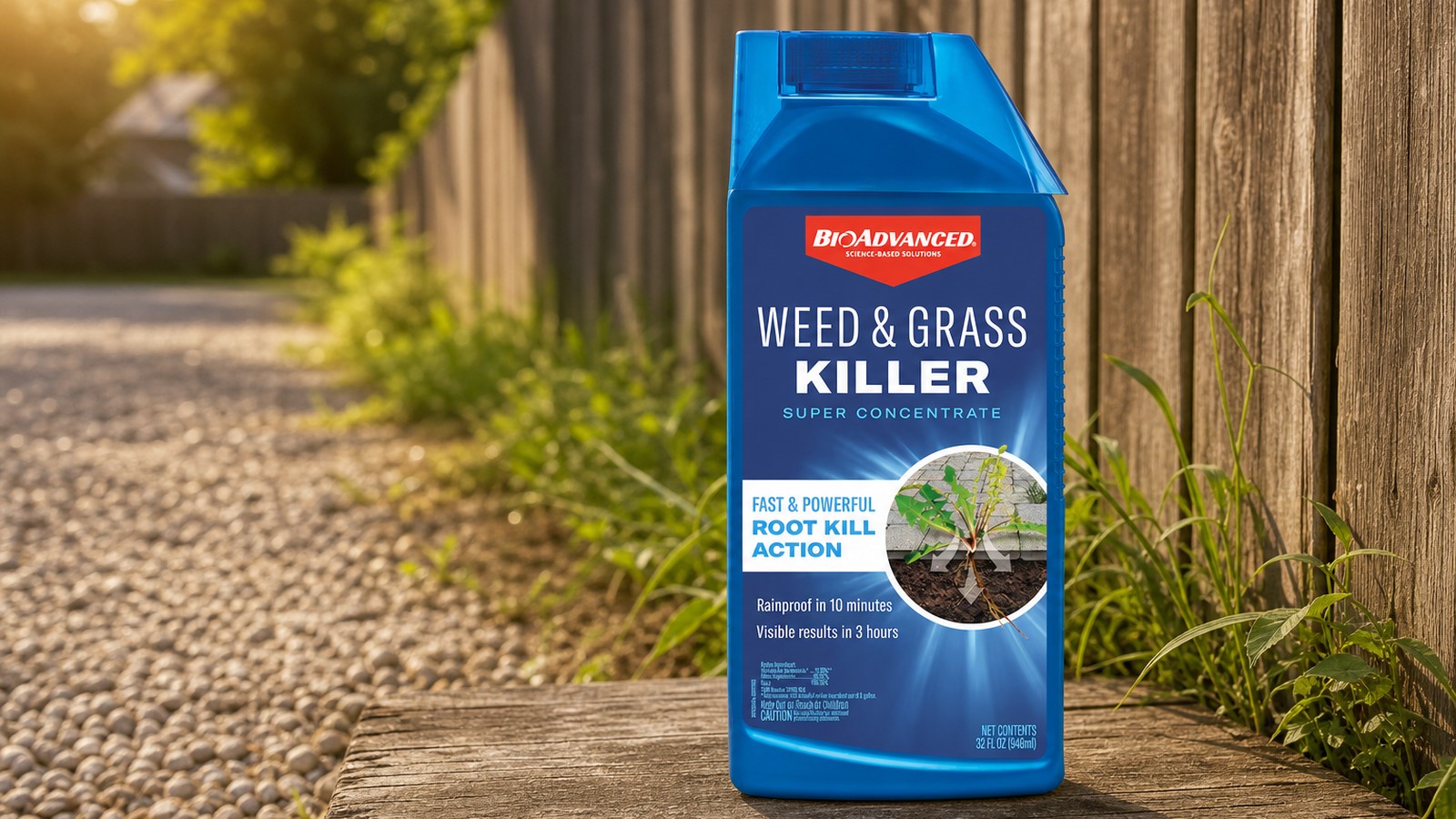
By the last week of June in north-central Ohio, weeds aren't just sprouting—they're racing. Longer days, warm nights, and the reliable summer rains that roll through Crawford County give crabgrass, bindweed, nutsedge, and broadleaf invaders exactly what they need to spread from your driveway cracks and fence lines into the beds and borders you've spent the season building. The window to get ahead of them is right now, before roots deepen and seed heads form. BioAdvanced Concentrated Weed and Grass Killer (32 oz) is built for this moment: a concentrated formula that kills unwanted growth down to the root, works fast enough to show visible results within hours, and prevents regrowth on treated surfaces—making it one of the most practical tools you can reach for in a mid-summer Ohio yard.
Why Late June Is the Most Critical Weed Control Window in Ohio
Ohio gardeners and homeowners in USDA Hardiness Zone 6 deal with a weed calendar that's more compressed and aggressive than many realize. By late June, soil temperatures in Crawford County are consistently sitting above 70°F at the surface—warm enough that summer annual weeds like crabgrass and purslane are in full vegetative growth, putting on new leaf area every day. At the same time, perennial weeds like bindweed and Canada thistle have moved past their early tender stage and are pushing energy into root systems that can extend 10 feet or more into the soil.
This timing matters for one important reason: weeds are most vulnerable when they are actively growing and photosynthesizing. Systemic herbicides—the type that travel through the plant and reach the root—work best when the plant is moving sugars and water from leaves down to its root zone. That process is happening right now, in late June and through July, more efficiently than at any other point in the season. Applying a weed killer in this window means the product moves where it needs to go.
Wait too long—into August—and many summer annuals will have already dropped seeds, guaranteeing next year's problem. Treat now, and you interrupt that cycle before it starts. For fence lines, gravel driveways, garden borders, and non-lawn hardscape areas where you want nothing growing at all, this is the moment to act decisively.
What BioAdvanced Concentrated Weed and Grass Killer Actually Does
Understanding what a product does—and doesn't do—is the foundation of using it well. BioAdvanced Concentrated Weed and Grass Killer is a non-selective, systemic formula. Let's unpack each of those terms because they have real practical implications for where and how you use it.
Non-selective means it kills both broadleaf weeds and grasses. It does not distinguish between a dandelion and your lawn turf, between a pigweed and your tomato plant. This is the right tool for areas where you want complete bare ground or clean hardscape—not for spot-treating weeds in the middle of a lawn or between desirable perennials. Used correctly in the right zones, that non-selective action is a strength, not a drawback.
Systemic means the active ingredient is absorbed through the foliage and travels through the plant's vascular system down into the root. This is what separates it from a contact herbicide, which only burns the leaves and often allows the root to resprout. Systemic action means the plant dies from the root up—which is why the product can prevent regrowth on treated surfaces rather than just knocking weeds back temporarily.
Concentrated means the 32 oz bottle contains a stronger-than-ready-to-use solution that you dilute with water before application. This gives you significantly more finished product per dollar compared to pre-mixed spray bottles, and it lets you adjust concentration depending on the toughness of the vegetation you're treating—an important flexibility when you're dealing with everything from wispy annual grasses to thick, woody-stemmed perennial weeds.
Results are typically visible within hours after application, which is one of the reasons this product is well-regarded by homeowners who want to see that their treatment is working. Full plant death progresses over the following days as the herbicide travels to the root system.
Where to Use It: The Right Zones Around Your Property
Because BioAdvanced Concentrated Weed and Grass Killer is non-selective, placement is everything. Using it in the right areas produces excellent results; using it carelessly can damage or kill desirable plants. Here's a clear breakdown of where it fits—and where it doesn't.
Driveways and Gravel Areas
Gravel driveways are arguably the most common use case for a product like this in north-central Ohio. Weeds that push up through gravel are notoriously difficult to pull by hand because the gravel obscures the root zone and makes a clean pull nearly impossible. A systemic herbicide applied to the foliage reaches where a hoe or hand simply can't. Treat when weeds are actively growing and green, and the regrowth-prevention component of the formula helps keep new seedlings from establishing on the treated surface.
Fence Lines
Fence lines are one of the most neglected weed zones on any Ohio rural or suburban property. Grass trimmers get most of the visible growth, but the root systems of perennial weeds continue to expand. By midsummer, bindweed is climbing fence posts, thistle is forming robust crowns, and grass is pushing under the fence from both sides. A directed application along the fence base—keeping spray away from garden beds or lawn areas on either side—clears the line efficiently and provides lasting control.
Garden Borders and Hardscape Edges
The edge between a mulched bed and a walkway, patio, or lawn is a constant source of encroaching weeds and grass. Careful, directed spray application along these borders—with a shield or deflector on your sprayer to prevent drift—keeps edges clean without the constant labor of hand-pulling. This is particularly useful along landscape timbers, edging stones, and the bases of raised beds where tools can't easily reach.
Patios, Sidewalk Cracks, and Stepping Stones
Weeds rooted in the joints and cracks of concrete or pavers are almost impossible to address by any other means. A concentrated systemic herbicide reaches the root in the crack and prevents the plant from returning.
Where NOT to Use It
Do not apply this product to your lawn, vegetable garden beds, ornamental beds, or anywhere near desirable trees and shrubs where roots could absorb runoff. Avoid application near water features, ponds, and drainage ditches. Read and follow the label directions completely before applying—the label is a legal document and your best guide to safe, effective use.
Mixing and Application: Step-by-Step Instructions for Ohio Conditions
Getting the concentration and application technique right makes the difference between a treatment that works once and one that provides lasting control. Here is a practical walkthrough for using the 32 oz concentrate effectively in typical Ohio summer conditions.
Step 1: Check the Weather Window
In Ohio's unpredictable summer weather, this is the most important step. You need a dry window of at least 24 hours after application—ideally 48 hours. Rain before the product has fully absorbed washes it off the foliage before it can be taken up by the plant. Check your local Galion-area forecast before mixing. Early morning application on a calm, sunny day is ideal: the plant's stomata are open, uptake is maximized, and afternoon winds that can cause spray drift are typically calmer.
Step 2: Mix According to Label Directions
Because this is a concentrate, you will mix it with water in a garden sprayer before use. Follow the label's dilution rates exactly for your target vegetation—the label will typically specify different rates for light annual weeds versus heavy perennial or woody growth. Use a clean pump-up garden sprayer; a 1- or 2-gallon sprayer is the most practical size for most homeowner applications. Avoid mixing more solution than you plan to use in a single session.
Step 3: Protect What You Want to Keep
On a breezy day, even careful spraying can drift. If you're working near garden beds or lawn edges, use a piece of cardboard as a physical shield between the spray and desirable plants. You can also purchase a spray shield attachment for many pump-up sprayers. For very tight spots, a small paintbrush can be used to apply mixed solution directly to individual weed leaves without any risk of overspray.
Step 4: Apply to Actively Growing Foliage
Spray to wet the weed foliage thoroughly, but not to the point of runoff. The goal is full leaf coverage. In late June in Ohio, weeds are actively growing and the systemic uptake will be fast. Apply in the morning hours when possible and avoid application during the heat of the day when leaves may be stressed and stomata partially closed.
Step 5: Observe and Retreat if Necessary
Results are typically visible within hours—you'll often see wilting and yellowing beginning the same day. Full browning and death of the plant progresses over the following days. Heavy-rooted perennial weeds like bindweed or thistle may require a follow-up treatment after 2–3 weeks if regrowth appears from particularly deep root sections. This is normal for any systemic herbicide used against established perennials.
Seasonal Timing: When to Apply Throughout the Ohio Growing Season
While late June is an excellent starting point, understanding the full seasonal timeline helps you use this product most efficiently across the entire growing season.
| Timing / Situation | Weed Stage | Effectiveness | Notes for Ohio |
|---|---|---|---|
| Late May – Early June | Young annual weeds, early perennial growth | Excellent | Easiest to kill; small root systems; good for preventive fence-line treatment |
| Late June – July (now) | Full vegetative growth, active photosynthesis | Excellent – peak window | Systemic uptake is fastest; best time for tough perennials before seed set |
| August | Some annuals setting seed; perennials slowing | Good | Treat before seed drop; avoid drought-stressed plants (poor uptake) |
| September – Early October | Perennials moving sugars to roots | Very Good for perennials | Fall is ideal for perennial weed root kill as plants draw down for winter |
| Mid-October and Later | Dormant or near-dormant | Poor | Little to no uptake; wait for active growth next spring |
| Drought-stressed plants (any month) | Any stage | Reduced | Stressed plants close stomata; water area lightly 1–2 days before treating |
| Product | BioAdvanced Concentrated Weed and Grass Killer (32 oz) | ||
| Available At | Liberty Farm, Home & Garden - Galion, Ohio | libertyfhg.com | ||
Safety, Storage, and Environmental Responsibility
Herbicides are useful tools, and like any tool, using them responsibly protects your family, your pets, and your property's broader environment. Here are the key practices to follow when working with BioAdvanced Concentrated Weed and Grass Killer.
Personal Protective Equipment
When mixing concentrate, wear chemical-resistant gloves—not thin latex exam gloves but thicker nitrile or neoprene options. If you're doing a large spray job, eye protection is a smart addition. Wear long sleeves and closed-toe shoes. If skin contact occurs, wash with soap and water immediately.
Keeping Pets and Children Safe
Keep pets and children out of the treated area until the spray has completely dried—typically a few hours under good drying conditions. Once dried, the residue is not an ongoing contact risk, but it's always good practice to let treated areas dry fully before allowing access. Do not allow animals to graze treated vegetation.
Protecting Waterways
Crawford County has tile drainage under many rural properties, and small waterways and ditches feed into larger systems. Never apply herbicide directly to or near standing water, streams, or drainage ditches. Avoid application immediately before rain is forecast—runoff from treated surfaces into storm drains or waterways is an environmental concern. The 24–48 hour dry window after application isn't just about effectiveness; it's also about keeping product on your property and out of the watershed.
Storage
Store the concentrate in its original container with the lid tightly sealed, in a cool, dry location away from direct sunlight and freezing temperatures. A garage shelf or storage cabinet works well; avoid leaving it in vehicles during Ohio's hot summer months. Never transfer concentrate to unlabeled containers.
Disposal
Do not pour unused concentrate down drains or into the garbage. Use up diluted solution during the same session whenever possible. Crawford County's local guidelines for pesticide disposal apply—check with your county extension office or waste authority for disposal events and options if you have leftover product you cannot use.
Common Mistakes Ohio Homeowners Make With Weed Killers—and How to Avoid Them
Even a well-formulated, effective product won't deliver the results you expect if it's applied incorrectly. These are the most common errors to watch for.
Applying Before Rain
This is the single most common cause of poor results. Ohio's summer afternoon thunderstorms can appear quickly. If rain washes the product off within the first few hours after application, you've lost most of your treatment. Always check a detailed hourly forecast for the Galion area before you mix and spray.
Spraying in Wind
Spray drift is invisible until your neighbor's garden bed starts yellowing, or until you notice brown streaks in your own lawn. Apply when winds are calm—under 5 mph is a good rule of thumb. This is another reason early morning application typically works well in Ohio's summer.
Under-Diluting or Over-Diluting
Using too little concentrate in your mix means inadequate active ingredient to kill established weeds. Using too much wastes product and can increase the risk of runoff. Follow the label dilution rates for your specific target, and use a measuring cup to be precise.
Treating Drought-Stressed Weeds
If we hit a dry spell—which can happen in north-central Ohio even in summer—weeds under water stress close their stomata and dramatically reduce uptake of systemic herbicides. Wilted, curled leaves are a sign of stress. Either wait for rain to restore plant turgor, or lightly water the area the day before treating to bring weeds out of drought stress before application.
Expecting Instant Complete Death
You will see visible results within hours—wilting and color change. But full root death in established perennial weeds takes days to weeks. Don't be tempted to immediately re-spray when you don't see complete browning after one day. Give the systemic action time to complete its work before evaluating whether a follow-up treatment is needed.
Using It In the Wrong Areas
Applying a non-selective herbicide near the drip line of trees, within vegetable beds, or adjacent to a lawn edge without adequate shielding are mistakes that can cause expensive, hard-to-reverse damage. Map out your treatment zones carefully before you begin.
Building a Seasonal Weed Management Strategy for Your Property
A single application solves your immediate weed problem. A seasonal strategy keeps those problem areas clean with far less total labor over the course of the year. Here's how to think about weed management across a typical north-central Ohio property.
Spring Setup (April–May)
Start the season by clearing gravel driveways, fence lines, and hardscape edges while weeds are young and small. Early treatment is almost always easier and more complete than fighting established weeds later. Apply once weed seedlings are actively growing but before they've had time to root deeply.
Midsummer Maintenance (June–July)
This is the active season. Check treated areas monthly and address any regrowth or new encroachment promptly. The key insight is that maintaining a treated area is much easier than reclaiming one that has been neglected all season. A mid-June and mid-July walk of your fence lines and driveway—with a sprayer ready—takes far less time than a full-season cleanup in August.
Late Summer and Fall (August–October)
September and early October offer an often-overlooked opportunity for perennial weed control. As perennial plants prepare for dormancy, they move carbohydrates and compounds from leaves down into roots for winter storage. A systemic herbicide applied during this period travels that same pathway to the root—making fall treatment particularly effective for stubborn perennials like bindweed and thistle that proved resilient to summer applications.
Combining Methods
Herbicide is most effective as part of a broader strategy. After treating and clearing a gravel driveway or fence line, consider whether a barrier like landscape fabric underneath the gravel can reduce future weed pressure. Along bed borders, fresh mulch applied after treatment smothers potential new seedlings. Physical barriers and mulch reduce how often you need to treat—and how much product you use over the course of a season.
Stop by Liberty Farm, Home & Garden at 222 S. Liberty St. in Galion if you have questions about fitting weed control into your specific property situation—the staff there can help you think through a seasonal approach that makes sense for your yard, garden, and landscape borders.
Getting Started: What You Need Before You Spray
Before you pick up BioAdvanced Concentrated Weed and Grass Killer and head to your problem areas, make sure you have everything in place for a safe, efficient application session.
Equipment Checklist
- Pump-up garden sprayer (1 or 2 gallon): The most practical applicator for homeowner use. Make sure it's clean and hasn't been used to apply fertilizer, which could interfere with the mix.
- Measuring cup: For accurate dilution of the concentrate. Precision here matters.
- Chemical-resistant gloves: Nitrile or neoprene, not thin latex.
- Eye protection: Safety glasses or goggles for mixing and applying.
- Long-sleeved shirt and closed-toe shoes: Standard PPE for any pesticide application.
- Cardboard or spray shield: To protect adjacent lawn or bed areas from drift.
- A weather forecast: Check hourly—you need a dry window of at least 24–48 hours post-application.
What to Do After Application
- Rinse your sprayer thoroughly after use—do not store diluted solution in the sprayer long-term.
- Wash hands and exposed skin with soap and water.
- Note the date and area treated so you can evaluate results and plan follow-up if needed.
- Store the concentrate properly in a cool, dry location.
The 32 oz concentrated format makes this product an economical choice for treating multiple areas of your property across an entire season—you're getting significantly more finished spray volume out of one bottle compared to ready-to-use alternatives. You can find BioAdvanced Concentrated Weed and Grass Killer at Liberty Farm, Home & Garden in Galion, along with pump sprayers, protective gear, and any other supplies you need to get the job done right.
Frequently Asked Questions
Keep Reading
Plant Cover Crops Now: An Ohio Home Garden Guide
Plant fall cover crops in an Ohio vegetable garden with practical guidance on timing, species, seeding, winter care, and spring termination.

Save This Summer’s Garden: A Practical Ohio Seed-Saving Guide
Save tomato, bean, pea, lettuce, marigold, zinnia, and other garden seeds with this practical late-summer guide for Galion and north-central Ohio.