
Stop Fungus Gnats for Good: The Complete Guide to Indoor Potting Mix
If tiny flies keep rising out of your houseplant pots, the problem probably isn't your watering habits — it's what's in the pot. Here's how the right potting mix changes everything.
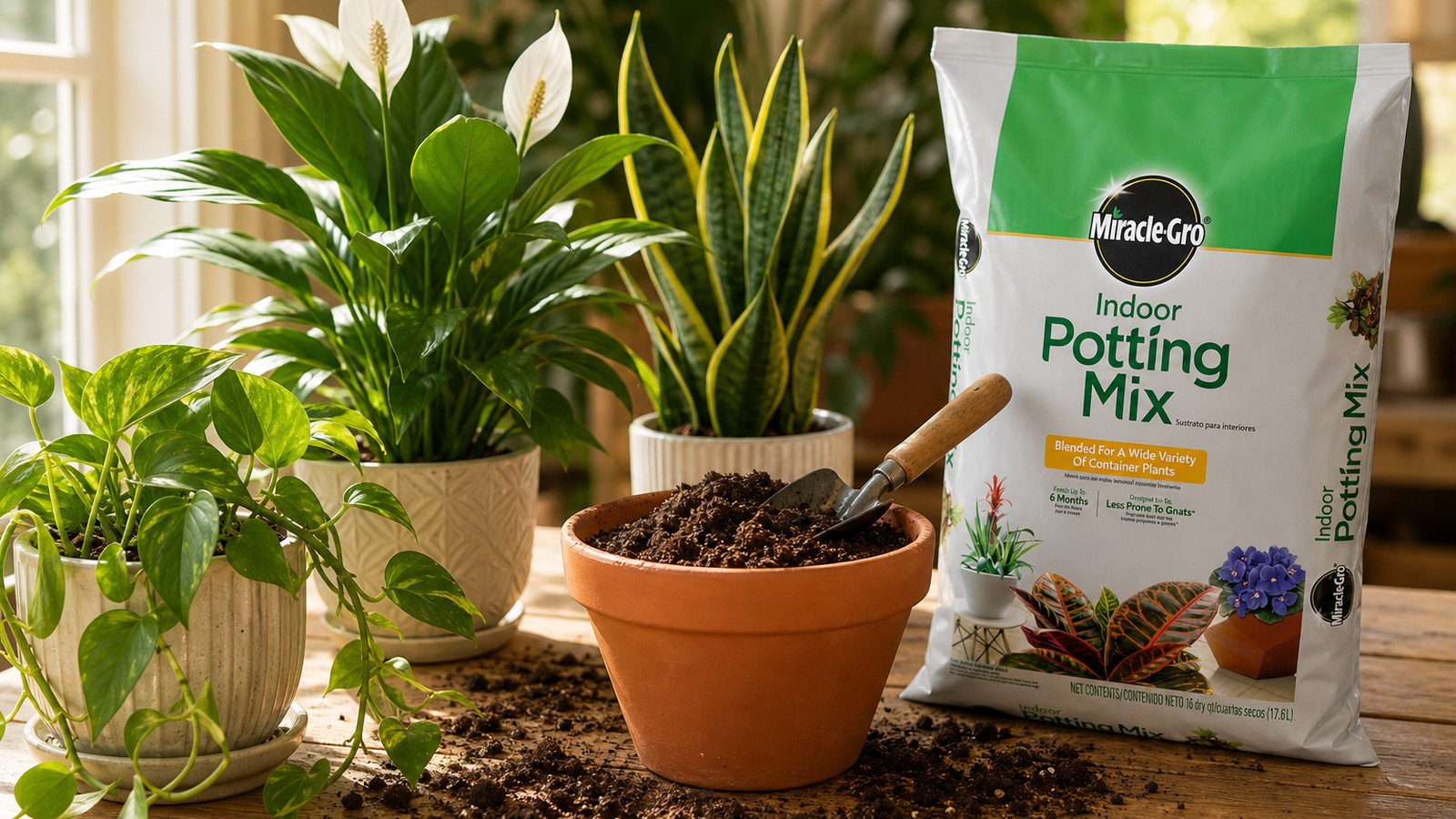
Summer is when Ohio homeowners spend the most time outdoors — but it's also when fungus gnats quietly take over your indoor plants. If you've been battling tiny flies hovering around your windowsill pots, lifting clouds of insects every time you water, the culprit almost certainly lives in your potting mix. Standard mixes formulated for outdoor use contain bark and compost that stay damp and breed gnats indoors. Switching to a mix designed specifically for indoor containers — one that leaves out the gnat-breeding ingredients — is the fastest, most permanent fix you can make. This guide walks you through exactly why it matters, when to repot, and how to do it right so your houseplants thrive through the rest of the summer and beyond.
Why Summer Is the Worst Season for Fungus Gnats Indoors
Fungus gnats (Bradysia spp.) are year-round nuisances, but late June through August is when their populations surge in Ohio homes. Several seasonal factors stack against you all at once:
- Heat accelerates the life cycle. At room temperature (72–78°F), a fungus gnat goes from egg to reproducing adult in roughly 17 days. When your home warms up in summer and you're running the air conditioner — which dries the air and causes you to water plants more frequently — that cycle speeds up even further.
- Windows stay open or screen doors get used more. Adult gnats from garden beds, mulch, and compost bins outside can find their way in during warm months. If they land in a pot filled with bark-heavy mix, they've found an ideal nursery.
- Watering frequency increases. Higher indoor temperatures mean faster soil moisture loss. You water more, the top inch of bark-filled mix stays persistently moist, and that's exactly the microenvironment fungus gnat larvae need to hatch and feed.
- New plants come indoors. Summer is prime time for buying new tropical houseplants, propagating cuttings, or bringing in herbs from the porch. Any of these can introduce gnats if they're potted in bark- or compost-heavy mix.
The practical upshot is simple: if your indoor plants are sitting in a standard all-purpose or outdoor-formulated potting mix, right now — mid-summer — is the highest-risk window for a gnat infestation. Repotting into a purpose-built indoor mix before the problem escalates is far easier than fighting an established colony.
The Root Cause: What's Actually in Standard Potting Mix
To understand why indoor-specific potting mix matters, you need to understand what makes standard mixes problematic. Most general-purpose and outdoor potting mixes are built around two high-carbon, moisture-retentive ingredients: aged bark and compost.
Bark is added to improve drainage and aeration — excellent goals outdoors where wind, sunlight, and temperature swings dry it out quickly. Compost adds nutrients and improves water retention. Both make good sense in a raised bed or outdoor container on a sunny porch.
Indoors, those same properties become liabilities:
- Bark particles stay moist far longer without outdoor airflow and direct sun. They also decompose slowly, creating an ongoing food source for fungus gnat larvae, which feed on decaying organic matter and plant roots.
- Compost — especially incompletely finished compost — can harbor fungus gnat eggs before it ever goes into your bag. Indoors, with no predators and ideal temperatures, those eggs hatch freely.
- The combination holds moisture at the surface, which is where female gnats lay their eggs — in the top half-inch to one inch of soil.
None of this is a flaw in outdoor potting mixes. They do exactly what they're designed to do. The flaw is using them somewhere they weren't designed for: a climate-controlled indoor environment with limited airflow, consistent warmth, and no beneficial predator insects to keep gnat populations in check.
How Miracle-Gro Indoor Potting Mix Solves the Problem
Miracle-Gro Indoor Potting Mix (16 qt) is formulated specifically to address this exact problem. It contains no compost and no bark — the two primary ingredients that attract and sustain fungus gnats in indoor settings. By removing those ingredients from the formula, it eliminates the decaying organic material that gnat larvae feed on and the moisture-trapping particles that keep the surface perpetually damp.
Beyond gnat prevention, the mix is built with two other practical benefits that matter for indoor container care:
- Feeds up to 6 months. The mix is pre-charged with nutrients, so you don't need to start a separate fertilizing routine immediately after repotting. For most common houseplants — pothos, peace lilies, snake plants, philodendrons, ZZ plants — six months of built-in feeding takes you from a summer repotting session well into winter without additional fertilizer.
- Easy-to-water formula. One of the most frustrating problems with some peat-heavy mixes is hydrophobicity — when a pot dries out completely, the mix repels water and it runs straight through the drainage holes without being absorbed. The indoor formula is designed to rewet easily and consistently, so water reaches the root zone when you need it to.
The 16 qt bag is a practical size for home use. It's large enough to repot several standard 6- to 8-inch containers, or one or two larger 10- to 12-inch statement plants, with enough left over to top-dress existing pots.
Which Houseplants Benefit Most From This Mix
The short answer is: any houseplant growing in a standard all-purpose or outdoor mix will benefit from switching to an indoor-specific formula. That said, some plants and situations call for it most urgently.
Plants Most Vulnerable to Gnat Damage
Fungus gnat larvae aren't just a surface annoyance — they feed on fine root hairs, which stunts growth and can cause wilting even in a well-watered plant. Plants with fine, dense root systems are most at risk:
- African violets — extremely sensitive to root disturbance from larvae
- Seedlings and young propagations — any new cutting or recently germinated seedling brought indoors for the summer
- Herbs in indoor pots (basil, mint, parsley) — roots are shallow and damage shows quickly
- Ferns and calatheas — prefer consistent, even moisture that an easy-to-water mix provides
Plants Where Gnat Prevention Matters Most
- Any plant kept near kitchen windows, where adult gnats are especially annoying
- Plants in self-watering containers, where the reservoir keeps the lower mix perpetually moist
- Plants you've already had gnat problems with in the past
- Newly purchased plants from a nursery or big-box store that came in a bark-heavy mix
Succulents and cacti are a partial exception — they prefer extremely fast-draining, low-nutrient mixes and are best in a dedicated cactus/succulent blend rather than any general indoor formula. But the vast majority of common tropical houseplants are ideal candidates for Miracle-Gro Indoor Potting Mix.
How to Repot Your Houseplants the Right Way
Repotting is a simple process, but a few specific steps make the difference between a plant that bounces back quickly and one that sulks for weeks. Here's a reliable method for mid-summer repotting in Ohio's warm conditions.
Step 1: Choose the Right Time of Day
Repot in the morning or early evening, not during the hottest part of a summer afternoon. Heat stress compounds transplant shock. If your home is air-conditioned, this matters less, but it's still a good habit.
Step 2: Select the Correct Pot Size
If you're repotting because the plant is rootbound, choose a new pot only 1-2 inches larger in diameter than the current one. Going too large causes the mix to stay wet too long around the roots, ironically recreating the soggy conditions gnats prefer. Make sure your pot has at least one drainage hole.
Step 3: Remove the Old Mix Thoroughly
Gently remove the plant and shake or brush off as much of the old potting mix as possible. If you have an active gnat infestation, rinse the roots under lukewarm water to remove any larvae. Inspect for root rot (soft, black, or mushy roots) and trim any damaged sections with clean scissors before repotting.
Step 4: Fill and Position
Add a layer of fresh Miracle-Gro Indoor Potting Mix to the bottom of the new pot — enough so the top of the root ball will sit about an inch below the rim of the pot. Place the plant, then fill in around the sides, gently firming the mix to eliminate large air pockets. Don't pack it hard.
Step 5: Water In
Water thoroughly until water drains freely from the bottom. This settles the mix and ensures good contact with roots. Then let the top inch dry out before the next watering — this is especially important in the first two weeks after repotting, when any surviving gnat larvae (from other pots) will be deterred by a drier surface layer.
Step 6: Adjust Your Watering Schedule
The easy-to-water formula absorbs moisture efficiently, which means you may find you need to water slightly less frequently than with bark-heavy mixes. Use the finger test: push your finger an inch into the mix. Water when it feels dry at that depth, not before.
Dealing With an Active Gnat Infestation Before You Repot
If gnats are already flying in your home, repotting into a new mix is the primary solution — but you'll want to take a few additional steps to break the existing cycle, since adult gnats can survive and lay eggs in any moist surface, including a fresh mix if conditions allow.
- Yellow sticky traps. Place one near each affected plant. Adult gnats are strongly attracted to yellow and will land on the trap. This reduces the breeding population while you repot. A 3-pack of sticky insect traps typically handles a room of 4-6 plants.
- Let pots dry more aggressively before repotting. In the week before you repot, allow the existing mix to dry as much as the plant can tolerate. This kills eggs and larvae in the upper soil layer.
- Treat the old mix as contaminated. Don't add it to an indoor compost bin or use it as fill in another indoor pot. Bag it and put it in the trash, or spread it in an outdoor garden bed where temperature and predators will handle any remaining larvae naturally.
- Check every plant in the room. Gnats move freely between pots. If one plant has them, inspect all of your houseplants and plan to repot any that are in bark-heavy mix.
If you stop by Liberty Farm, Home & Garden in Galion, the staff can point you toward both the potting mix and any supplemental gnat-control tools they carry — sticky traps, beneficial nematodes for larger collections, and more.
Quick Reference: Scenarios and Recommendations
Not every indoor plant situation is the same. Use this table to match your scenario to the right action:
| Scenario | Recommended Action |
|---|---|
| Gnats flying around existing pots | Repot all affected plants into Miracle-Gro Indoor Potting Mix; add yellow sticky traps |
| New plant purchase in bark-heavy mix | Repot within 1-2 weeks before gnats establish; inspect roots before repotting |
| No gnats yet, but using outdoor potting mix | Proactive repot at next appropriate time (when rootbound or seasonally) |
| Summer cuttings and propagations brought indoors | Start directly in indoor mix; never pot cuttings in outdoor/compost-heavy mix |
| Herbs on kitchen windowsill | High priority — repot now; gnats near food preparation are a hygiene concern |
| Plant is rootbound and needs upsizing | Repot into pot 1-2 inches larger using fresh indoor mix; trim dead roots first |
| Large statement plant (10+ inch pot) | Full repot or top-dress with 2-3 inches of indoor mix to replace bark-heavy surface layer |
| Product | Miracle-Gro Indoor Potting Mix (16 qt) — no bark, no compost, feeds up to 6 months, easy-to-water formula |
| Available At | Liberty Farm, Home & Garden - Galion, Ohio | libertyfhg.com |
Keeping Your Indoor Plants Healthy Through the Rest of Summer
Switching to the right potting mix is the most impactful single change you can make for indoor plant health, but a few supporting habits will keep your plants performing well through the rest of Ohio's warm season.
Light Management
Late June through August brings the longest days of the year in north-central Ohio — roughly 15 hours of daylight at the solstice. South- and west-facing windows can deliver intense direct sun that scorches tropical houseplants. If you're seeing bleached or crispy patches on leaves, move plants 2-3 feet back from the glass or use a sheer curtain to diffuse afternoon sun. North- and east-facing windows are ideal for low-light plants like pothos, ZZ plants, and cast iron plants.
Humidity
Air conditioning removes humidity from indoor air. Many tropical plants prefer 40-60% relative humidity; Ohio homes running central AC in summer often drop to 30-35%. A small humidifier near your plant grouping, or placing pots on trays filled with pebbles and water (with pot bottoms above the water line), can meaningfully improve conditions for moisture-loving plants like ferns, calatheas, and orchids.
Fertilizing After the Built-In Nutrition Window
The potting mix feeds for up to 6 months, meaning a repotting done in late June carries nutrients into late December — essentially the entire rest of the active growing season and into the rest period. When that window closes, resume feeding in late winter as new growth begins, using a balanced liquid fertilizer at half strength every two to four weeks during the growing season.
Monitoring for Other Summer Pests
With gnats handled, keep an eye out for the other common summer houseplant pests: spider mites (check the undersides of leaves for fine webbing — they spike in hot, dry AC air), scale insects (look for sticky residue on leaves and small brown bumps on stems), and mealybugs (white cottony clusters in leaf axils). Catching these early — before they spread to other plants — is far easier than treating a widespread infestation.
Get the Right Mix Before Gnats Get Ahead of You
The window between noticing the first few fungus gnats and having a full-blown infestation is surprisingly short — just a few weeks under warm summer conditions. The larvae are already feeding on your roots by the time the adults become obvious. Acting now, in late June, means you're ahead of the problem rather than chasing it.
Repotting into a mix that doesn't contain the ingredients gnats need to breed is the most direct, lasting solution available. It doesn't require pesticides, it doesn't require complicated treatment schedules, and it benefits your plants beyond just gnat prevention — with built-in feeding for six months and a formula that waters consistently and reliably through Ohio's warm season.
Pick up a bag of Miracle-Gro Indoor Potting Mix (16 qt) at Liberty Farm, Home & Garden, 222 S. Liberty St. in Galion. The 16 qt size is practical for a typical home collection — large enough to repot several plants in one session, manageable enough to store easily. If you have questions about which of your plants to prioritize, how to handle a serious infestation, or what other supplies you might need, stop in and ask — the staff is there to give you practical, local advice, not just ring up a sale.
Frequently Asked Questions
Keep Reading
Plant Cover Crops Now: An Ohio Home Garden Guide
Plant fall cover crops in an Ohio vegetable garden with practical guidance on timing, species, seeding, winter care, and spring termination.

Save This Summer’s Garden: A Practical Ohio Seed-Saving Guide
Save tomato, bean, pea, lettuce, marigold, zinnia, and other garden seeds with this practical late-summer guide for Galion and north-central Ohio.