
How Often Should You Clean Your Bird Feeder?
A practical cleaning routine for Galion bird lovers, including when to clean sooner and how to get feeders ready for fresh food.
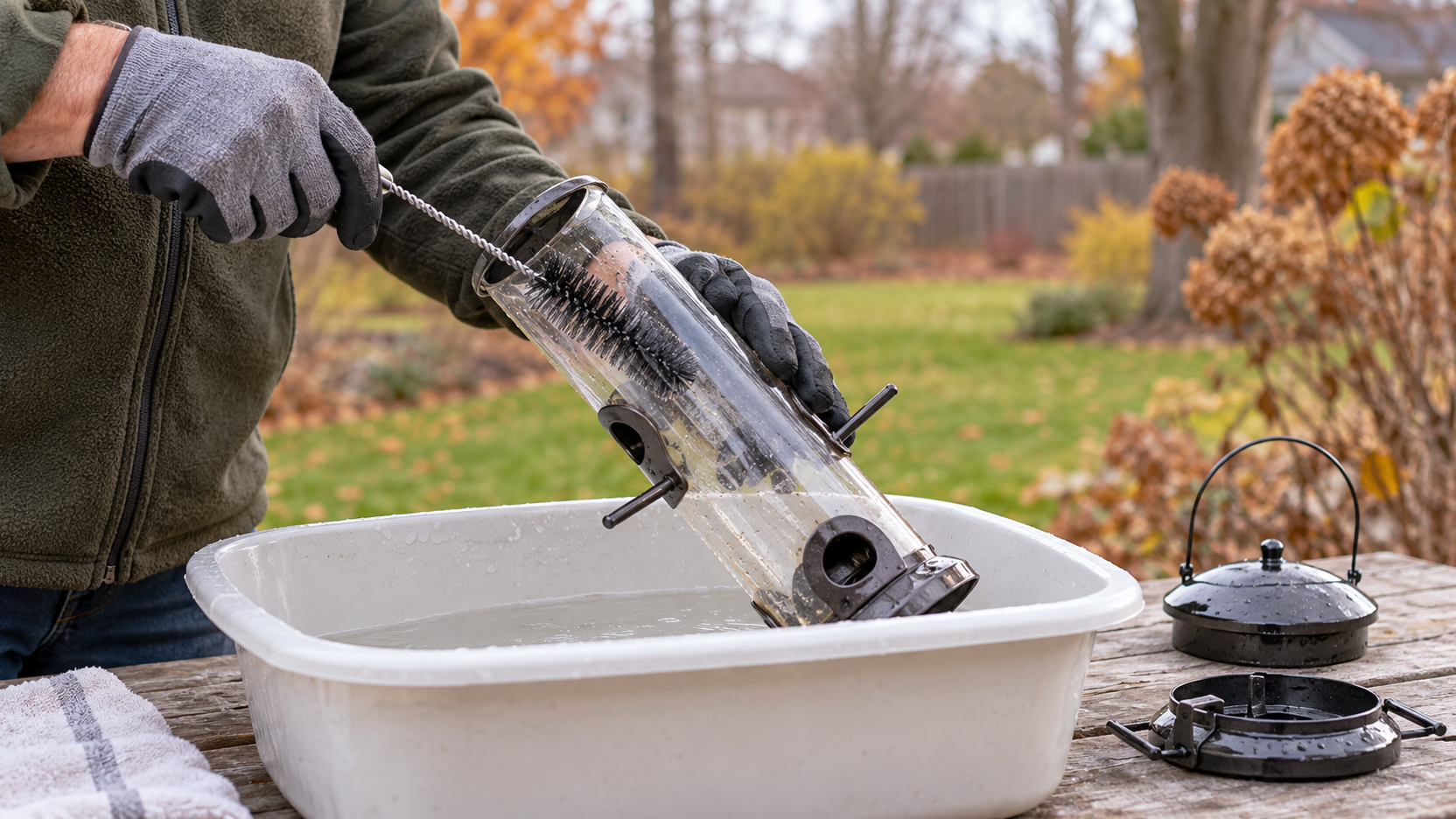
Plan to clean your seed feeder every one to two weeks, and sooner when it gets wet or busy. Here’s a simple routine for Galion bird lovers to keep feeders clean, remove spoiled food and make every refill a fresh start.
Start With a One- to Two-Week Routine
Clean seed and suet feeders every one to two weeks, and more often when they get heavy use or stay wet. That is the routine recommended by Cornell’s Project FeederWatch. Hummingbird feeders need a different, more frequent schedule, so this guide focuses on seed and suet feeders. Project FeederWatch’s feeding guidance
For a backyard in Galion, a reminder on your calendar makes a useful starting point. Pair it with a quick look whenever you refill. Is the bottom damp? Are feeding ports dirty? Has food collected in corners? The calendar helps you remember; the feeder’s condition tells you when to act sooner.
Empty, Scrub, Rinse and Dry
Take the feeder apart as its instructions allow. Remove remaining food and scrub away seed fragments, hulls and other debris. Wash the parts thoroughly with warm water and dish soap, using a bottle brush where it helps you reach narrow spaces.
Rinse well and let every part dry completely before reassembling and refilling. Use a dishwasher only if the feeder is dishwasher-safe. Follow the manufacturer’s instructions for materials and removable parts. Project FeederWatch’s cleaning steps
A feeder that comes apart easily can make this job less frustrating. When choosing one, look beyond how much seed it holds. Consider whether you can reach the surfaces that need washing.
Know When to Add Disinfection
Cleaning removes debris. Disinfection is an additional step, especially worth considering during heavy use or when sick birds are present. Research summarized by Project FeederWatch found that cleaning methods involving a diluted-bleach soak reduced Salmonella more effectively than washing with soap and water alone. Feeder-cleaning research
Cornell describes a 10-minute soak in diluted bleach, using no more than one part bleach to nine parts water, followed by thorough rinsing and drying. Check that your feeder tolerates the method. Cornell’s feeder-cleaning guide
Never mix bleach with soap, vinegar, ammonia or other cleaners. Wash and rinse first, then disinfect separately. Follow the bleach label’s precautions, use good ventilation and wear the recommended protection. CDC bleach safety
Clean Below the Feeder, Too
Seed hulls, spilled food and droppings can build up beneath an otherwise clean feeder. Remove that waste regularly. Moldy or spoiled food is unhealthy for birds and outdoor pets, and scattered bird food can attract rodents. Cornell’s feeder-cleaning guide
Think of the feeding station as one small area to maintain, rather than treating the feeder and ground as separate chores. Add the cleanup to the same routine, and wash your hands afterward.
Make the Next Refill a Fresh Start
Before adding food, check that the feeder is clean, dry and properly reassembled. Don’t keep topping up over damp or spoiled seed.
If birds appear ill, increase cleaning and consider disinfection. Follow current wildlife guidance for the situation rather than assuming every illness calls for the same response. Project FeederWatch’s sick-bird guidance
Your next step can be simple: set a cleaning reminder today, then check the feeder before your next refill. For more backyard ideas from Liberty Farm, Home & Garden in Galion, explore the Liberty blog.
Keep Reading
Keep the Feeder Up: An Ohio Guide to Fall Hummingbird Migration
Learn when to take down hummingbird feeders in Ohio, how to mix safe nectar, and how often to clean during late-summer migration near Galion.
Planting Fall Deer Food Plots in Ohio: An August Field Plan
Plan an Ohio fall deer food plot with soil testing, smart seedbed prep, mix selection, and local tips from Liberty Farm, Home & Garden in Galion.