
Keep the Feeder Up: An Ohio Guide to Fall Hummingbird Migration
August is not the end of hummingbird season in north-central Ohio. Use this practical plan for clean nectar, late migrants, safer habitat, and a sensible season closeout.
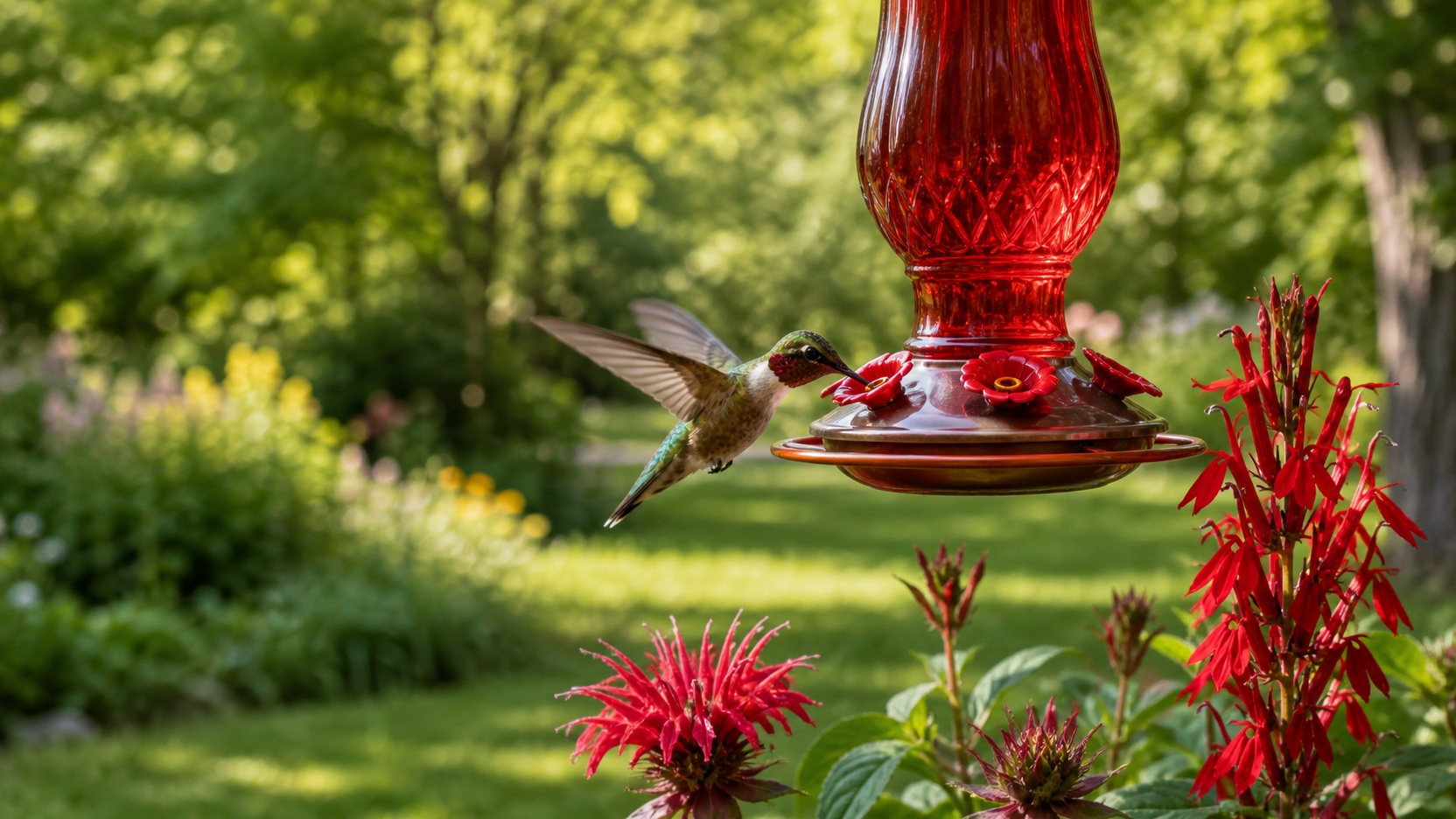
By the middle of August in north-central Ohio, the hummingbird traffic at a backyard feeder can suddenly feel different. A familiar bird may vanish, a new one may appear for only a day, and brief chases can make the feeder look busier than it did in June. That is a good reason to keep a clean feeder available—not a reason to take it down. This guide explains what fall migration means for Galion-area yards, how to make safe sugar water, how often to clean in warm weather, and how to decide when the season is truly over.
Why Mid-August Is a Turning Point
August sits at the overlap between summer and migration. Ruby-throated Hummingbirds still use Ohio breeding habitat, but individuals do not all leave together. Adults, young birds, and migrants arriving from farther north can pass through a yard on different schedules. The result is an uneven pattern: several active days, a quiet stretch, and then a bird you do not recognize using the same feeder.
The Cornell Lab of Ornithology classifies the Ruby-throated Hummingbird as a medium- to long-distance migrant. Birds traveling between eastern North America and Central American wintering grounds may cross the Gulf of Mexico or follow a coastal route. A Galion feeder is therefore not the destination. It is one small food stop within a much larger seasonal movement.
That distinction matters because it changes the job of the person maintaining the feeder. You do not need to predict one perfect departure date. You need to offer dependable food only if you can keep it fresh. A feeder that is full but neglected is not useful. A smaller amount of fresh nectar, checked on a routine, is the better late-summer setup.
Day length is changing noticeably by mid-August even when afternoons still feel like summer. Flowers can also shift quickly: one patch finishes, another opens, and dry weather can shorten bloom. A feeder is most valuable as part of that changing landscape, not as a device that controls the birds' decisions. Expect the timing in one yard to differ from another yard a few miles away because habitat, shade, flowers, and observation time are different.
Weather can change daily activity without providing a reliable forecast of departure. A cool morning, a downpour, or a windy afternoon may make visits harder to notice. Look for patterns over several days instead of treating one quiet period as proof that migration has ended. That patient approach also prevents needless recipe changes or feeder moves that interrupt a setup birds already know.
Do not assume that the last bird you saw in July is the same bird visiting in late August. Ruby-throated Hummingbirds defend food sources aggressively, so a burst of chasing may reflect temporary competition at a convenient stop. Cornell notes that males defend flowers and feeders and that these birds also eat insects and spiders. The feeder supplies supplemental carbohydrate; it does not replace the rest of the bird's diet or habitat.
Leave the Feeder Up—It Will Not Stop Migration
The most persistent fall-feeding myth says that an available feeder will persuade hummingbirds to remain in Ohio too long. Authoritative bird organizations reject that idea. The National Audubon Society's hummingbird-feeding guidance, updated in April 2025, says feeders can remain available as long as hummingbirds are present and may help late migrants. Audubon also explains that continued feeding does not prevent the birds from migrating.
The Smithsonian's National Zoo gives a similar practical message: keeping clean feeders up longer does no harm and can help stragglers. Its approximate guidance places middle latitudes in a season extending into late October, while emphasizing that location matters. That is a useful outer guide, not a promise that every Galion yard will have birds until then.
Use observation rather than a rigid calendar. Continue your cleaning routine after the regular visitors seem to leave because a migrant may appear later. If you choose to end the season, wait until you have gone at least two weeks without a sighting, then clean and dry the feeder before storage. That two-week household rule is a conservative way to allow for later travelers; it is not a claim that every bird follows the same timetable.
There is one important condition: leaving a feeder up means maintaining it. Nectar should not sit for weeks merely because you hope another bird will arrive. If you are traveling or cannot keep up with cleaning, it is better to empty and wash the feeder than to leave spoiled solution outside. A clean garden with late flowers can still offer natural food and shelter.
Make the Simple Nectar Recipe Correctly
Safe feeder nectar is plain: one part refined white sugar to four parts water. For a modest feeder, mix 1/4 cup white sugar with 1 cup water. For a larger batch, mix 1 cup sugar with 4 cups water. Stir until the sugar dissolves and allow the solution to cool before filling a feeder if you heated the water.
The Smithsonian specifies refined white table sugar and advises against honey, corn syrup, raw sugar, powdered sugar, or other substitutes. It also says red dye is unnecessary. The red parts of a feeder are enough to make it noticeable; the liquid itself should remain clear. Do not add vitamins, flavorings, fruit juice, or anything else.
| Situation | Practical response |
|---|---|
| Small refill | Mix 1/4 cup refined white sugar with 1 cup water. |
| Larger batch | Mix 1 cup refined white sugar with 4 cups water. |
| Color | Keep the nectar clear; do not add red dye. |
| Warm August weather | Use smaller fills and change solution every day or every other day. |
| Cloudiness, mold, or odor | Discard immediately and clean the feeder before refilling. |
| No recent sightings | Keep cleaning on schedule while the feeder remains outside. |
| End of season | Wash, rinse, dry completely, and store indoors. |
Making more nectar than the birds can use creates extra waste and increases the temptation to leave it out too long. In late summer, fill only enough to cover the feeder ports or serve a day or two of traffic. Smithsonian guidance says refrigerated extra sugar water should be kept no longer than one week; discard it sooner if you see mold or notice any change.
Build a Cleaning Routine for Warm Ohio Days
Late-August heat can spoil sugar water quickly. The Smithsonian recommends changing feeders every other day and cleaning thoroughly each time. Audubon is stricter during hot weather: empty and clean every day or every other day, moving to about every three days in temperate weather and twice weekly in cooler weather. For Galion in August, use the hot-weather end of that range whenever afternoons stay warm, the feeder receives sun, or nectar changes appearance.
Cleaning is not simply topping off. Take the feeder apart, discard remaining nectar, wash every surface that contacts the solution, and pay special attention to ports, seams, the base, bee guards, and any narrow channel. Rinse thoroughly. Refill only after the parts are clean. If you see mold, cloudiness, stringy material, insects inside, or a sour odor, empty the feeder immediately rather than waiting for the next scheduled cleaning.
Place the feeder where inspection is easy. Light shade can slow heating, and a spot away from windows and heavy activity makes the station calmer. If a feeder must be near glass, do not improvise a distance rule from memory; use a recognized window-collision prevention treatment and consult current bird-safety guidance for placement.
A written routine helps: check the feeder with your morning garden walk, note when it was last washed, and keep a small brush reserved for feeder parts. If ports cannot be reached or the feeder repeatedly traps residue, replace it with a design that comes apart fully. At Liberty Farm, Home & Garden in Galion, we can help you compare feeder designs and basic cleaning supplies, but the best choice is always one you can disassemble and maintain consistently.
Clean more often when conditions are working against you. Direct sun warms the reservoir; heavy traffic introduces more contamination; and a large batch can remain exposed long after it should have been replaced. Moving the feeder to light shade, reducing the fill volume, and choosing a smaller easy-clean model can solve more problems than buying complicated accessories.
Keep feeder tools separate from ordinary food-preparation tools. Wash your hands after handling the feeder and before preparing fresh solution. If several feeders are in use, clean all of them rather than allowing one neglected station to undermine the routine. The goal is repeatable care, not a spotless appearance from a distance.
Make the Whole Yard Useful, Not Just the Feeder
A nectar feeder is supplemental. Cornell's species account says Ruby-throated Hummingbirds use nectar from tubular flowers, visit feeders, and catch small insects or pull them from spider webs. A useful migration yard therefore includes flowers, insect life, shelter, and perches—not a single red container hanging in an otherwise empty lawn.
Late-blooming plants can carry the garden beyond peak summer. Cardinal flower and bee balm are familiar hummingbird plants, and healthy native plantings can support insects as well as nectar. Choose plants that fit the moisture, light, and soil of the exact site rather than buying by flower color alone. Avoid treating every insect in the yard as a pest; broad insecticide use can remove part of the hummingbird's food web.
Keep some structure around the feeding area. Shrubs and tree branches provide perches where birds can rest, watch the feeder, and defend a temporary territory. At the same time, keep the station visible enough that you can clean it and monitor problems. A shaded edge with open approach space often works better than either a deep thicket or a fully exposed pole in hot afternoon sun.
Resist the urge to make the garden tidy all at once in late summer. Seed heads, layered vegetation, and healthy leaf surfaces support the insects and shelter that make a yard function. Remove diseased material and genuine hazards, but let habitat value guide the rest of the cleanup. A migration stop is stronger when it offers several resources at once and does not depend on one feeder remaining occupied.
Water can help a wildlife garden, but a deep, still dish is not automatically useful to hummingbirds and can become a mosquito nursery if neglected. If you add water, use a shallow, moving source designed for birds and maintain it as carefully as the feeder. The broader principle is simple: every feature you install creates a maintenance obligation.
How to Read Busy, Quiet, and Territorial Feeder Traffic
Hummingbirds do not line up politely. One bird may claim the feeder, perch nearby, and chase others before returning. Cornell describes males as aggressive defenders of flowers and feeders. Territorial behavior is normal, and it does not necessarily mean the feeder is too small or that the birds lack food everywhere else.
If traffic is intense, a second feeder can reduce direct conflict only when it is placed out of sight of the first territory. Two feeders side by side may simply give one dominant bird a larger station to guard. Before adding equipment, make sure you can clean both on the same schedule. Doubling feeder count without doubling maintenance is a poor trade.
Quiet days are normal too. A bird may be feeding on flowers, catching insects, resting out of view, or moving south. Do not strengthen the nectar recipe to attract more activity. The one-to-four ratio remains the standard. Do not add dye, scent, or extra sugar. Consistency and cleanliness are more important than trying to manufacture a spectacle.
Keep a simple sighting log with date and time. It can show how your own yard changes from year to year without turning one season into a universal Galion migration calendar. Note weather and whether flowers were in bloom, but avoid assuming cause from a single observation. Citizen-science programs can add regional context, while your log tells you when your feeder actually needs attention.
Common Late-Summer Problems and Practical Corrections
Bees or wasps at the ports: clean spills promptly, inspect for leaks, and make sure parts are assembled correctly. Do not spray insecticide on or near a feeder. A leaky base can turn a minor visitor into a persistent problem.
Ants on the hanger: use a properly maintained ant moat if the feeder design supports one. Keep the moat clean and filled with plain water. Never coat the hanger with sticky products, grease, or substances that can foul feathers.
Nectar disappears overnight: do not assume hummingbirds are responsible. Insects, leaks, and other wildlife can empty a feeder. Bring it in temporarily if another animal is damaging it, then clean before rehanging.
A bird hits a window: treat the glass as a collision hazard rather than moving the feeder a few inches at random. Exterior patterns or screens that make the full reflective surface visible to birds are more dependable than a single decal. Follow a current bird-conservation source for spacing and placement.
A bird looks sick or acts unusually tame: remove and clean the feeder, keep pets and people away, and contact a licensed wildlife rehabilitator or appropriate wildlife authority for advice. Do not attempt diagnosis, force food, or use home remedies.
You miss a cleaning: empty the solution and restart with a washed feeder. Do not top off old nectar. This is one reason small fills work so well in August: discarding a little solution is easier than rationalizing a questionable batch.
A Galion Season-Closeout Plan
For the week of August 17, the practical plan is to keep the feeder active, switch to small fills, and clean every day or every other day while weather remains hot. Keep late flowers watered according to their needs, record sightings, and expect uneven traffic. The birds using your yard in the coming weeks may include local individuals and migrants passing through.
As September advances, continue to judge cleaning frequency by temperature and feeder condition, not the calendar alone. Cooler weather may allow a slightly longer interval, but the feeder still needs regular inspection. If you see no birds for two weeks and decide to stop, wash every component, rinse it well, allow it to dry completely, and store it where insects and rodents cannot reach it.
Before next spring, inspect for cracked plastic, rust, loose hanging hardware, clouded reservoirs, and ports that no longer seal. Replace components that cannot be cleaned or assembled securely. A feeder is only helpful when it holds fresh solution without leaking and can be maintained all the way through the season.
If you need a feeder that is easier to disassemble, a small cleaning brush, or help planning late-blooming habitat, visit Liberty Farm, Home & Garden at 222 South Liberty Street in Galion or browse libertyfhg.com. You can shop inside or use the drive-through, and we load you. The goal is not to keep birds in Ohio; it is to make one north-central Ohio stop clean, dependable, and worth using while they are here.
Frequently Asked Questions
Keep Reading
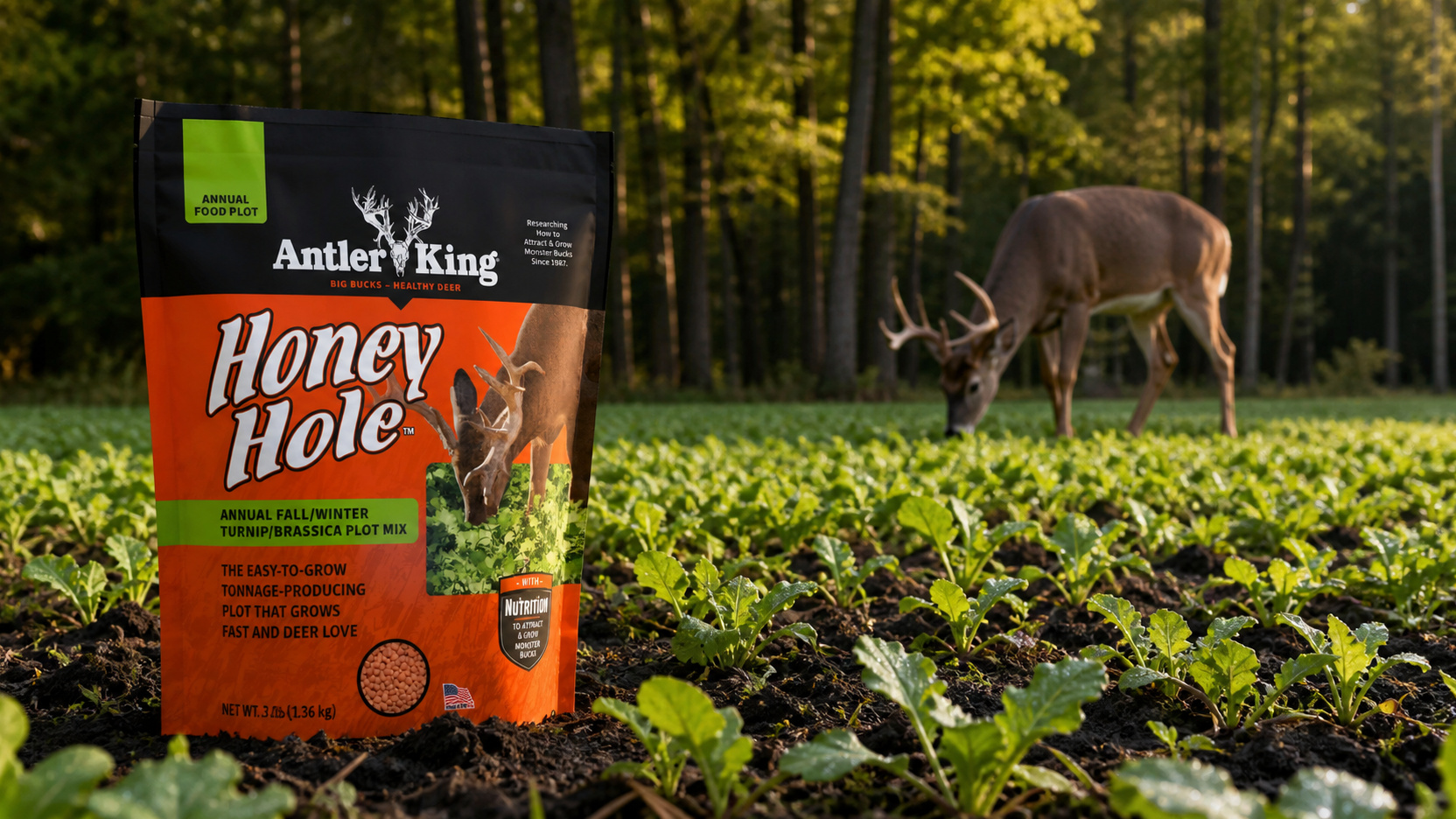
Planting Fall Deer Food Plots in Ohio: An August Field Plan
Plan an Ohio fall deer food plot with soil testing, smart seedbed prep, mix selection, and local tips from Liberty Farm, Home & Garden in Galion.
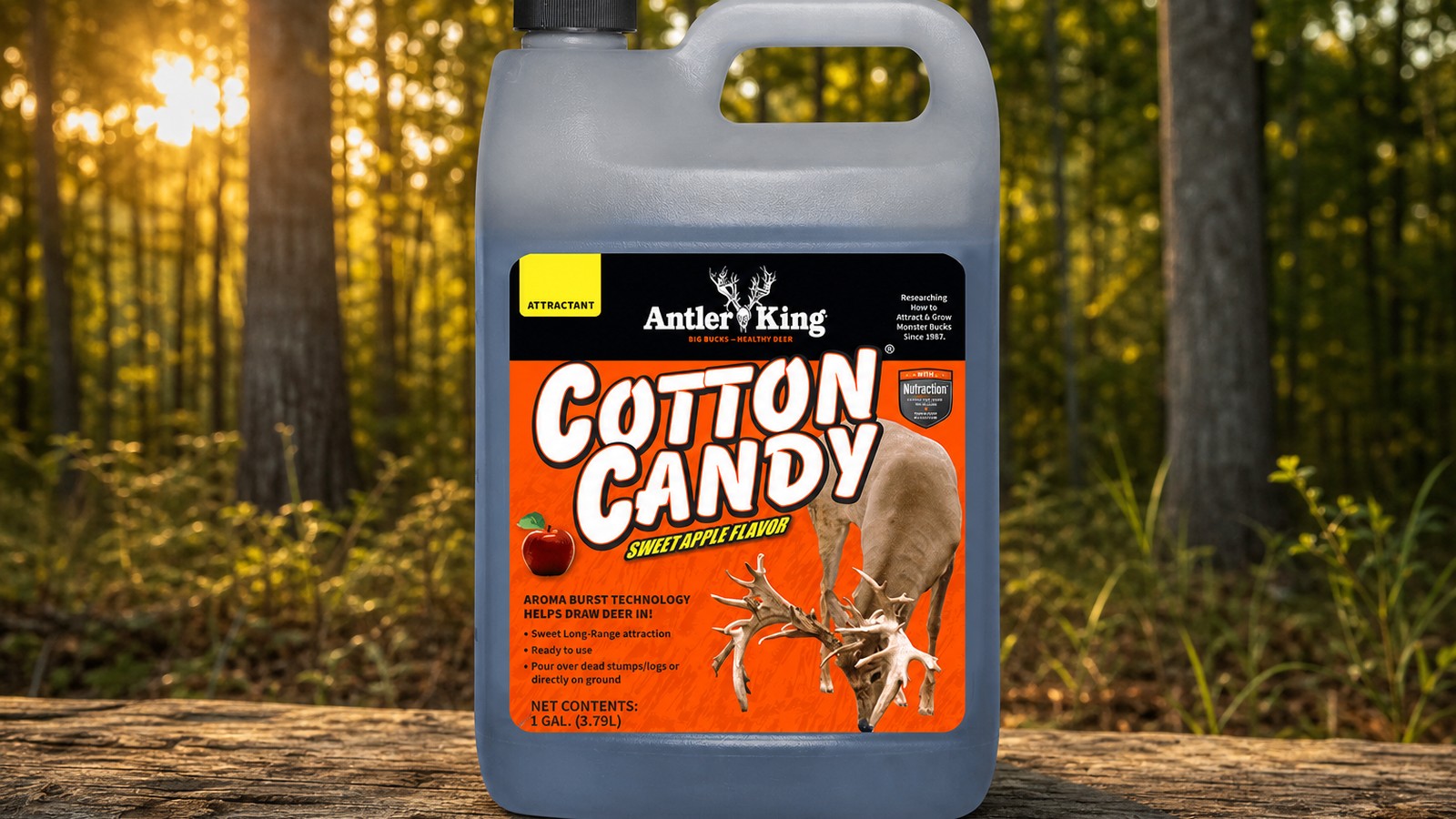
Attract More Deer This Summer: A Complete Guide to Cotton Candy Liquid Attractant
Learn how to use Antler King Cotton Candy Liquid deer attractant this summer in Ohio to pattern bucks before fall season. Available now at Liberty Farm, Home & Garden in Galion, Ohio.