
Is Your Horse Drinking Enough During Cold Weather?
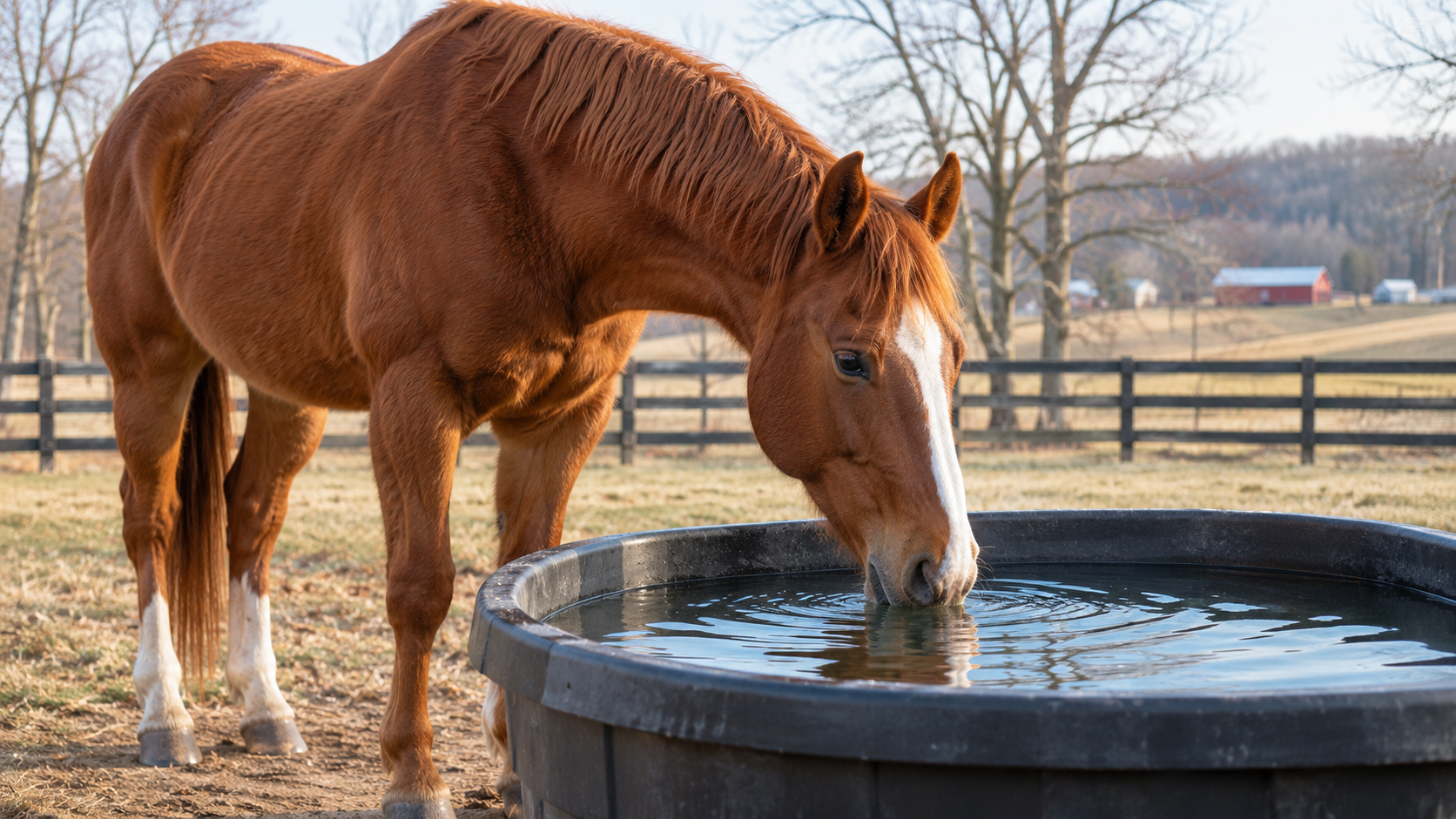
A full trough doesn’t tell you how much your horse is drinking. As Galion-area horses move from pasture to more dry hay, a dependable supply of clean, unfrozen water matters just as much as the feed in the manger. A few daily checks can help you spot a change early.
Make Water a Daily Winter Check
Cold weather changes where a horse gets its water. Fresh pasture contributes moisture, while dry hay supplies much less. A horse eating more hay may need to drink more from a bucket or trough.
Poor water intake can also reduce appetite and increase the risk of impaction colic. Winter care should include checking both the water supply and whether your horse is using it.
Measure Drinking Instead of Guessing
University of Minnesota Extension uses at least 10–12 gallons a day as a winter guideline for most 1,000-pound adult horses. Your horse’s size, feed and activity affect its needs. That figure is a planning guide, not a limit on access to water or a diagnosis by itself.
With individual buckets, record how much you add and what remains over 24 hours. Allow for spills and water discarded during cleaning. A marked bucket or measuring container makes this easier.
A shared trough cannot tell you which horse drank. Watch each horse use it, and check automatic waterers for actual flow. If you cannot judge an individual horse’s intake, ask your veterinarian or barn manager about a practical monitoring plan.
Keep Water Unfrozen and Comfortable
Check drinking points during morning and evening chores, and more often when conditions could freeze them between visits. Look beyond the surface: a bowl may contain water while its supply line or valve has frozen.
University of Minnesota Extension recommends water around 45–65°F to encourage drinking. Use a thermometer rather than judging by appearance. Snow and ice should not replace a dependable drinking-water supply.
A de-icer that prevents freezing does not necessarily maintain that temperature range. Check the equipment’s stated purpose and the actual water temperature rather than assuming every heater works the same way.
Keep Buckets Clean and Equipment Safe
Remove hay, manure and other debris promptly. Scrub buckets and troughs regularly, rinse them thoroughly, and replace stale water. Cold weather does not make cleaning unnecessary.
For heated buckets or tank de-icers, follow the exact model’s tank-compatibility, water-level and electrical instructions. Use properly grounded, GFCI-protected power. Protect cords from chewing and damage, and disconnect power before cleaning or removing equipment as its instructions require. Do not improvise an extension-cord setup.
If equipment is damaged or you suspect an electrical fault, keep people and horses away, provide another safe water source, and have the problem checked by a qualified electrician.
Use Salt and Additives Thoughtfully
Salt and electrolytes can affect drinking, but adding more is not a substitute for finding out why a horse has stopped drinking. Discuss supplementation with your veterinarian or equine nutritionist and follow the product label.
If you use a recommended flavoring or electrolyte in water, always offer a separate source of plain, fresh water. Some horses reject treated water. Electrolytes can worsen dehydration when adequate water is unavailable, so reliable access comes first.
Know When to Call Your Veterinarian
Learn your horse’s usual appetite, drinking habits and manure output. A clear drop in drinking deserves attention, especially alongside reduced eating or smaller, drier manure.
Call your veterinarian promptly if your horse refuses water or behaves abnormally. Pawing, repeatedly looking at the flank, rolling, reduced appetite, and little or no manure can indicate colic. Contact your veterinarian immediately when you suspect colic rather than waiting to see whether warmer water fixes it. Do not give medication unless your veterinarian directs you.
Start today by noting your horse’s usual water use and checking every drinking point. That simple habit is a useful part of winter preparation for horse owners around Galion.
Sources: University of Minnesota winter horse care and recognizing colic.
Keep Reading
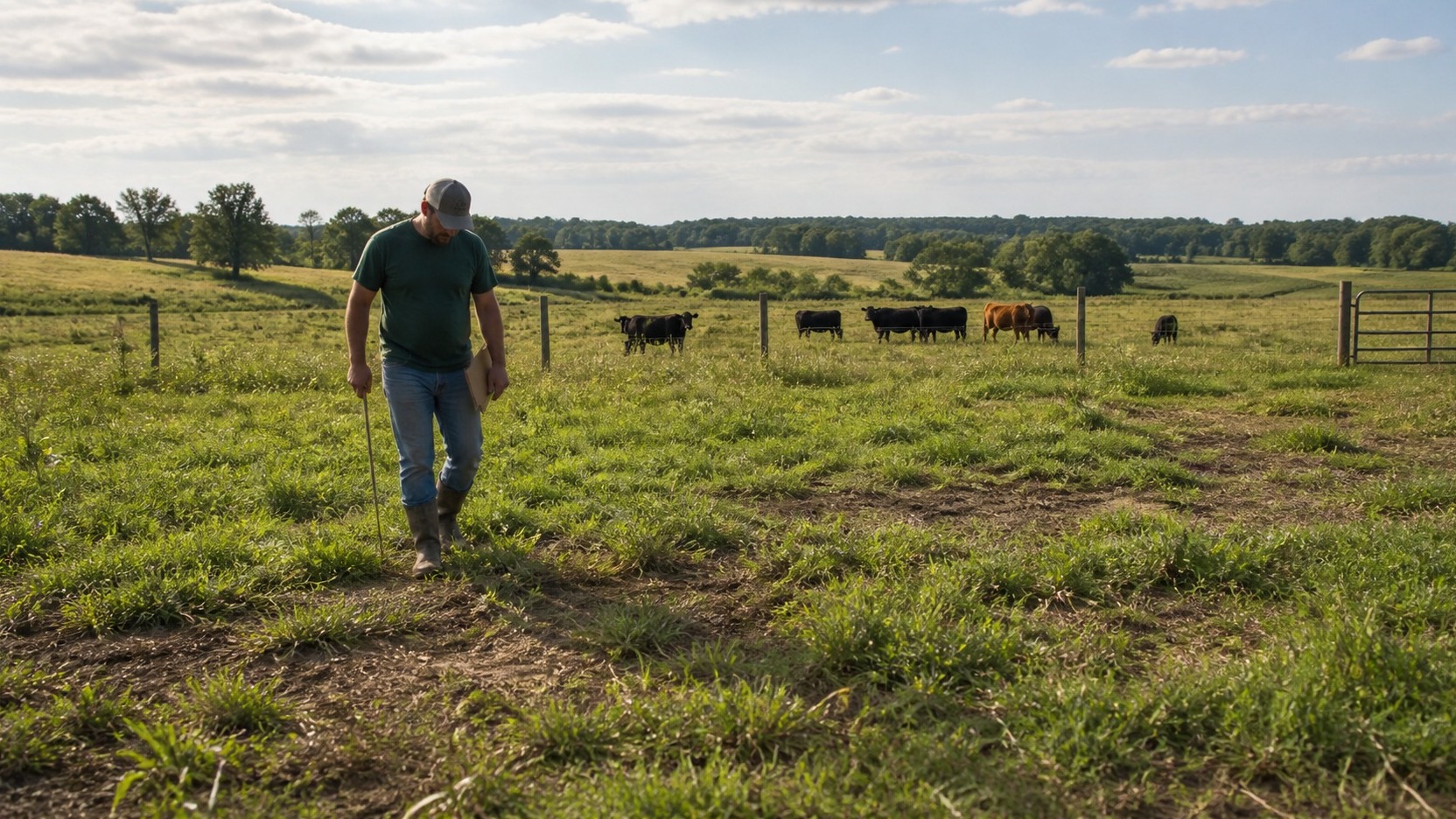
Late-Summer Pasture Checkup: Repair, Reseed, or Rest Your Ohio Fields?
A practical late-August pasture guide for Ohio livestock owners: assess plant cover, soil fertility, weeds, grazing pressure, and whether to repair or reseed.
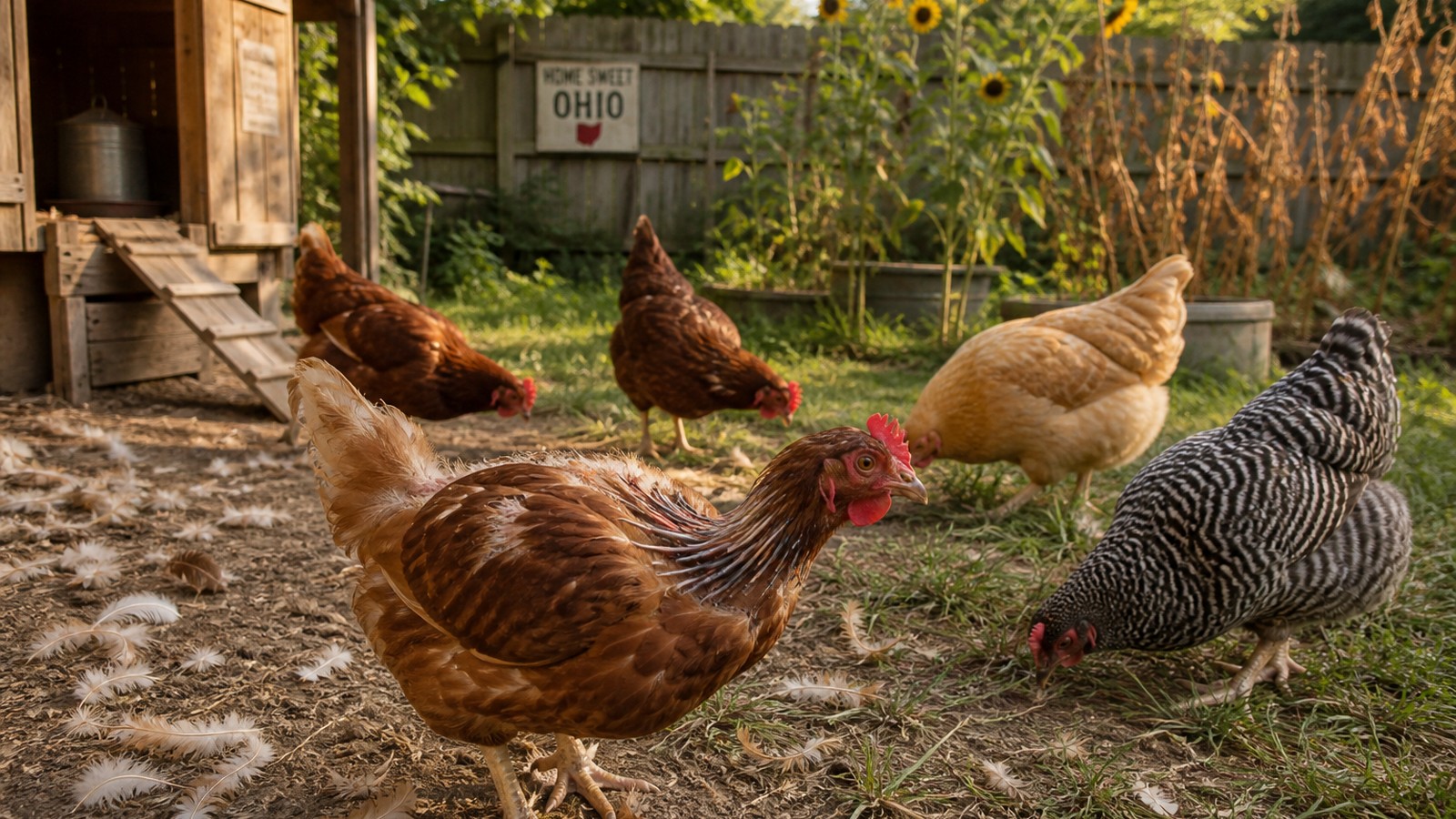
Molting Season Prep: How to Support Your Chickens Through the August Transition
Learn how to recognize and support your chickens through their annual molt in late summer and early fall. This seasonal guide from Liberty Farm, Home & Garden in Galion, Ohio covers nutrition, management, and timing for north-central Ohio flocks.