
Stop Grubs, Ants, and Ticks Before They Ruin Your Lawn This August
Grubs are actively feeding just below your turf right now, and surface pests like ants, fleas, and ticks hit peak populations in late July. Here's how to use soil-penetrating granules to knock out 100+ lawn insects in 24 hours and keep them gone all season.
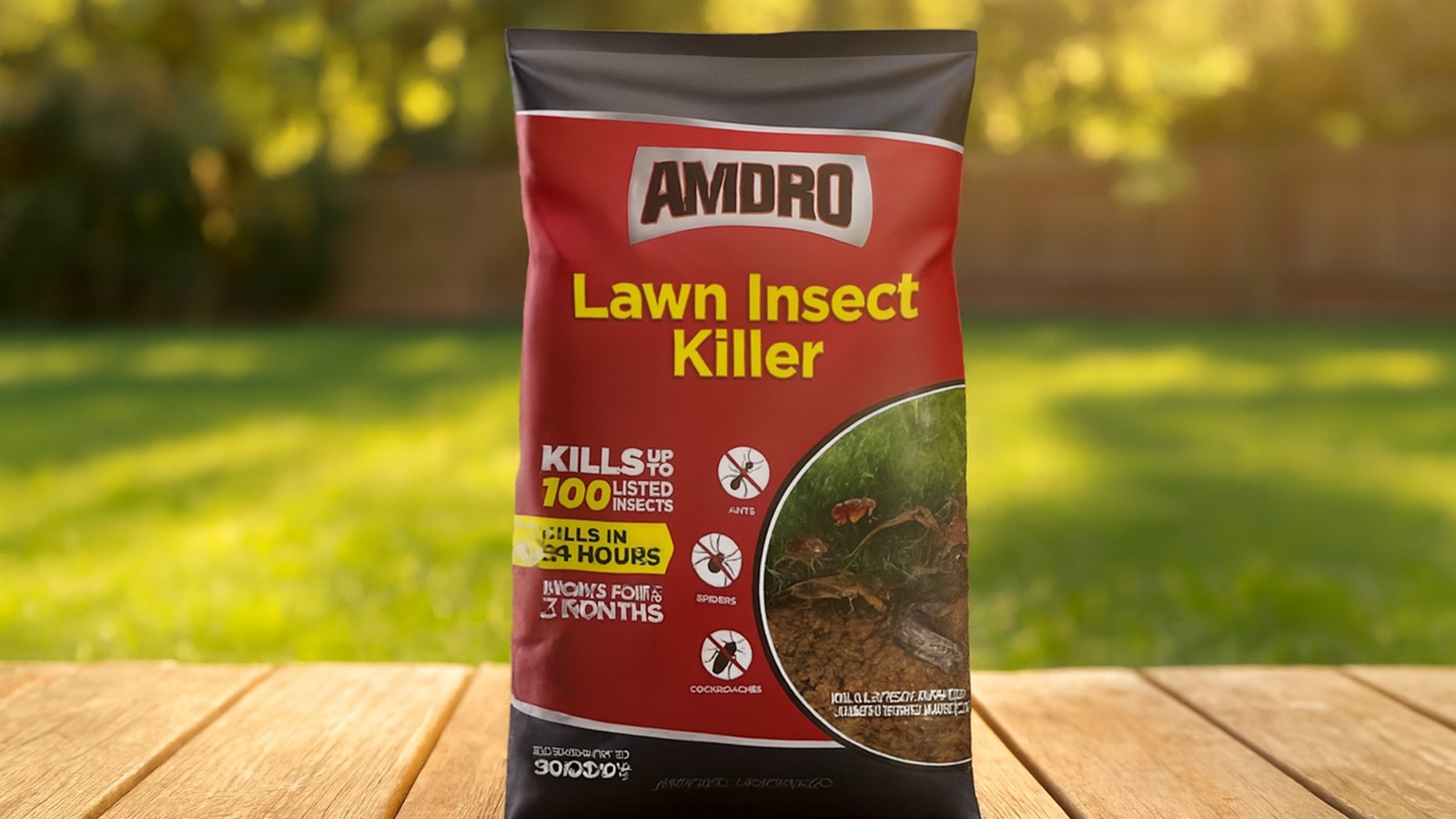
By the last week of July in north-central Ohio, Japanese beetle grubs are completing their egg hatch and the newly emerged larvae are beginning to feed on grass roots just an inch or two below the surface — exactly where you cannot see the damage until a patch of turf rolls up like a loose rug. At the same time, ant colonies are at their largest, tick populations peak in tall border grass, and fleas move freely between your pets, your lawn, and your home. If you have a yard larger than a standard city lot, you need a product with the coverage and staying power to address all of these problems at once. The AMDRO Quick Kill Outdoor Lawn Insect Control 20 lb covers up to 20,000 square feet, penetrates the soil to reach subsurface pests, kills in 24 hours, and continues protecting for up to 3 months — taking you from late July through the end of October with a single application.
Why Late July Is the Most Important Window for Lawn Insect Control in Ohio
Ohio's USDA Zone 6 climate creates a very specific rhythm for lawn pests, and late July sits right at the intersection of several cycles coming to a head at the same time. Understanding what's actually happening in and around your turf helps you apply control products at the moment they'll do the most good — and avoid wasting time and money treating an infestation that has already moved on.
Grubs: The Underground Threat
Japanese beetle adults (those shiny copper-and-green beetles you've been flicking off your roses and beans since mid-June) finish their peak mating and egg-laying period between mid-July and early August in Crawford County. Each female deposits 40 to 60 eggs in moist soil, typically 2 to 4 inches deep in sunny, well-irrigated lawn areas. Those eggs hatch from late July into mid-August, and the resulting first-instar larvae immediately begin feeding on grass roots. At this size — roughly a quarter-inch long — grubs are at their smallest, shallowest, and most vulnerable to soil-applied insecticides. Treating now, while they're actively near the surface, is dramatically more effective than waiting until September when they've migrated deeper into the soil profile ahead of the first cold snaps.
European chafer and masked chafer grubs follow a nearly identical calendar in this part of Ohio, making mid-to-late July the universally recommended treatment window across all three of the most economically damaging turf grub species in the region.
Surface Insects: Peak Season Has Arrived
Above the soil line, the picture is equally active. Fire ant and pavement ant colonies that started the season with a few hundred workers may now number in the tens of thousands. Fleas that established themselves on wildlife passing through your yard in spring are now reproducing through multiple generations. Lone star ticks and American dog ticks — both of which can carry diseases transmissible to humans and pets — are at seasonal population highs in grass edges, brush lines, and the transition zones between lawn and landscape beds. Treating your full lawn footprint now addresses all of these simultaneously.
What AMDRO Quick Kill Outdoor Lawn Insect Control Actually Does
Before you apply any granular insecticide, it's worth understanding exactly what the product is formulated to accomplish so you can set realistic expectations and use it correctly.
The AMDRO Quick Kill Outdoor Lawn Insect Control uses soil-penetrating granules — meaning the active ingredient is designed to move downward into the soil profile when activated by water, reaching grubs and mole crickets that live and feed below the surface rather than sitting on top of the thatch layer where it would have no effect on subsurface pests. This is a critical distinction from contact-only surface sprays.
At the same time, the granules address what the label describes as 100+ insect species on and above the soil surface — a list that includes ants, spiders, fleas, ticks, and many more common lawn and landscape pests. This dual-action capability (subsurface and surface) makes it a genuinely versatile product for homeowners dealing with multiple pest pressures at once, which describes most Ohio properties in July and August.
| Pest / Scenario | Where It Lives | Why July Treatment Works |
|---|---|---|
| Japanese beetle grubs | 1–4 inches below soil surface | Eggs just hatched; larvae are small, shallow, and highly vulnerable |
| European chafer grubs | 1–4 inches below soil surface | Same hatch window; treat before they migrate deeper in fall |
| Mole crickets | Tunneling through soil | Soil-penetrating granules reach tunneling zones; young nymphs present now |
| Ants (multiple species) | Surface, mounds, soil near foundations | Peak colony size in late July; full-lawn treatment disrupts foraging routes |
| Fleas | Shaded lawn areas, leaf litter edges | Multi-generation populations at high density; outdoor treatment breaks the cycle |
| Ticks | Grass edges, brush transitions, border beds | Peak seasonal activity; treating the full lawn reduces exposure zones |
| Product | AMDRO Quick Kill Outdoor Lawn Insect Control 20 lb — kills in 24 hours, protects up to 3 months, covers up to 20,000 sq ft | |
| Available At | Liberty Farm, Home & Garden - Galion, Ohio | libertyfhg.com | |
Calculating Your Coverage: Is the 20 lb Bag Right for Your Property?
The 20 lb bag covers up to 20,000 square feet of lawn. Before you head to the store or apply anything, spend five minutes calculating your actual lawn area so you know whether one bag is sufficient or whether you'll need a second.
Simple Area Calculations
For a rectangular or roughly square yard, measure the length and width in feet and multiply them together. A typical Galion city lot might be 60 × 120 feet, giving you 7,200 square feet of total lot area — but your actual lawn area will be less once you subtract the house footprint, driveway, patios, and established landscape beds. Most in-town lots end up with 3,000 to 6,000 square feet of treatable lawn surface. A single 20 lb bag covers that with room to spare.
Rural properties and larger suburban parcels are a different story. A half-acre lot contains roughly 21,780 square feet. Subtract the structures and hardscaping and you might have 15,000 to 18,000 square feet of lawn — well within one bag's coverage. A full acre of maintained lawn (approximately 43,560 square feet) would require slightly more than two bags. Knowing your numbers upfront prevents under-treatment, which is one of the most common reasons granular insecticide programs fail.
A Note on Overlapping Areas
When in doubt, measure conservatively and apply at the recommended rate rather than trying to stretch coverage. Under-applying in areas where grub pressure is heaviest — irrigated, full-sun turf sections — will leave patches untreated and allow infestation to continue from those zones.
Step-by-Step Application for Ohio Homeowners
Granular insecticide application is straightforward, but the details of timing and activation matter significantly for results. Follow these steps for the most effective treatment.
Step 1: Mow Before You Apply
Mow your lawn to its normal summer height — for tall fescue or bluegrass lawns typical in Crawford County, that's usually 3 to 3.5 inches in summer heat. Mowing first removes excess leaf tissue and allows the granules to fall through the canopy and make contact with the soil surface and thatch layer. If you mow immediately after applying, you risk removing granules that have landed on leaf blades before they've had a chance to be watered in.
Step 2: Check the Weather Forecast
Granular insecticides need water to activate — either from irrigation or rainfall — to carry the active ingredient down through the thatch and into the soil where grubs and mole crickets live. Plan your application for a day when rain is forecast within 24 to 48 hours, or be prepared to water your lawn immediately after spreading. In a dry July stretch (and Ohio can absolutely deliver those), have your sprinkler or irrigation system ready to run right after you finish spreading. Apply approximately half an inch of water to fully activate the granules.
Avoid applying immediately before a heavy downpour — more than an inch of rain in a short window can move granules off slopes and into storm drains before they're absorbed into the turf system.
Step 3: Load and Calibrate Your Spreader
Use a broadcast (rotary) spreader for best coverage on open lawn areas. A drop spreader works well for narrower strips and edges near garden beds where you want more precision. Fill your spreader on a hard surface (driveway or sidewalk) rather than on the lawn, so any spills can be swept up rather than creating a concentrated hot spot in the turf.
Follow the application rate printed on the bag label for your specific spreader brand — different spreaders have different gate opening settings, and the bag's calibration chart accounts for this. If your spreader isn't listed, start at the lower end of the recommended range, do a test strip, and adjust from there.
Step 4: Apply in an Overlapping Pattern
Walk at a steady, normal pace and overlap your passes by about a foot on each side to avoid gaps in coverage. Apply the perimeter of each zone first (two passes around the border), then fill in the interior with parallel passes. Pay extra attention to:
- Irrigated lawn sections, especially those receiving overhead irrigation — these are the most attractive egg-laying sites for Japanese beetles and will have the highest grub density
- Sunny, south-facing slopes where soil warms early and grub activity concentrates
- The 10-foot border zone around your foundation, landscape beds, and any wooded or brush edges where ticks and fleas concentrate
- Areas where you've noticed ant mounds or activity trails this summer
Step 5: Water It In
As soon as you finish spreading, water the treated area thoroughly — roughly half an inch of irrigation. This dissolves the granules, moves the active ingredient through the thatch layer, and begins the process of soil penetration that will reach subsurface grubs and mole crickets. Keep children and pets off the treated area until the lawn has dried completely after watering.
Step 6: Mark Your Calendar
The formula protects for up to 3 months. A late-July application carries protection through late October, which covers the entire remaining grub feeding season plus fall tick activity. Make note of the application date so you know when your protection window closes.
Recognizing Grub Damage Before and After Treatment
One of the most practical skills any Ohio lawn owner can develop is distinguishing grub damage from other causes of summer turf stress — because the two look remarkably similar on the surface, and the treatments are completely different.
Signs You're Looking at Grub Damage
Grub-damaged turf initially appears as irregular patches of wilting grass that don't respond to watering. The grass has a spongy, loose feel underfoot because the root system has been severed. The definitive test: grab a handful of apparently dead turf and pull. If the sod peels back easily like a loose carpet, revealing C-shaped white larvae beneath the soil surface, you have a confirmed grub infestation.
Secondary evidence includes increased activity from skunks, raccoons, and birds digging into your lawn overnight — these animals are following the grub scent and excavating your turf to reach them. If you're finding fresh divots and turned soil in the morning, grubs are almost certainly the cause even before the turf itself shows visible wilting.
Signs You're Looking at Heat Stress Instead
Heat-stressed turf in a drought year wilts uniformly across unirrigated areas, follows sun exposure patterns (south-facing slopes go first), and typically rebounds within a day or two of rainfall or irrigation. It does not peel up from the roots, and you won't find larvae beneath it. Ohio has been hot and intermittently dry through July 2026, so some of what looks like insect damage is genuine drought stress — treat that with water, not insecticide.
When in doubt, do the peel test in several locations. Industry guidance suggests that 10 or more grubs per square foot represents a damaging threshold that warrants treatment; 5 or fewer per square foot in otherwise healthy turf may not cause visible damage. Late July treatment is still recommended even at lower densities if you have a history of grub problems, because you're also protecting against this year's newly hatched generation.
Protecting Your Family, Pets, and Garden During and After Application
Using any granular insecticide responsibly means taking a few straightforward precautions. None of these are complicated, but skipping them is the source of most unnecessary concerns about lawn pesticide use.
During Application
Wear closed-toe shoes, long pants, and gloves while loading and spreading granules. Avoid touching your face, and wash your hands thoroughly when you're done. Keep children and pets indoors or in an area completely separate from the application zone while you're spreading and during the initial watering-in period.
After Watering In: The Re-Entry Window
Once the lawn has been watered in and the surface has dried completely — typically a few hours after irrigation on a warm July day — children and pets can return to normal use of the lawn. The dried granules are no longer loose on the surface and the active ingredient has moved into the soil profile. Do not allow pets or children to re-enter the wet, freshly treated area before it dries.
Near Vegetable Gardens and Water Features
Apply carefully around the edges of vegetable garden beds and keep granules out of the garden itself. Similarly, avoid applying granules where runoff will drain directly into a pond, stream, or rain garden. Keep a 10-foot buffer from any surface water feature. If you have a backyard pond or water garden, this is the most important precaution to observe during application.
Pets and Tick/Flea Pressure
Treating your lawn is one layer of a complete flea and tick prevention strategy, not the only one. Your dogs and cats should also be on veterinarian-recommended flea and tick prevention products regardless of whether you treat your lawn. Lawn treatment reduces the environmental reservoir of these parasites around your home, making your overall prevention program more effective — but it does not replace topical or oral preventatives applied directly to pets.
Pairing Lawn Insect Control with Your Broader Summer Lawn Care Program
A granular insecticide application doesn't happen in isolation — it's one component of a summer lawn care program, and timing it correctly around your other lawn care activities makes everything work better.
Fertilizer Timing
In north-central Ohio, cool-season grasses like tall fescue and Kentucky bluegrass should not receive heavy nitrogen fertilization during July and August heat stress. If you recently applied a slow-release fertilizer, that won't interfere with your granular insecticide application. However, avoid applying a nitrogen-heavy fertilizer within two weeks before or after your insecticide treatment — actively stimulating lush new growth in peak summer heat creates additional stress and can complicate your lawn's recovery if grub damage is already present.
Weed Control
Post-emergent broadleaf herbicides and granular insecticides shouldn't be applied on the same day. Space them at least a week apart. If you have nutsedge or crabgrass pressure that also needs attention, tackle the herbicide application first, allow a week, then apply the insect control granules.
Irrigation Scheduling
If you run an in-ground irrigation system, adjust your program on application day to deliver the activation water immediately after spreading rather than waiting for your scheduled overnight cycle. Getting water on the granules within two hours of application — rather than waiting 12 to 18 hours — improves penetration, especially when daytime temperatures are above 85°F and some surface evaporation is occurring.
Overseeding in Fall
If you're planning to overseed bare or thin areas in late August or September (the ideal window for cool-season grass establishment in Ohio), your late-July insecticide application won't interfere with germination — the 3-month protection window is designed for established turf, and new seed applied 4 to 6 weeks after your granule application will germinate normally. This is actually ideal timing: treat the grub damage now, let the lawn recover through August, then overseed the repaired bare patches in mid-September.
Larger Property Considerations: Acreage, Hobby Farms, and Rural Lawns
The 20 lb bag is specifically sized for larger properties, and in Crawford County and the surrounding rural areas served by Liberty Farm, Home & Garden, many customers are managing lawn areas well beyond what a standard suburban bag can cover. Here's how to think about application on larger footprints.
Prioritizing Treatment Zones on Large Properties
If your total lawn area exceeds what you can treat in a single application, prioritize the zones where pest pressure causes the most harm or poses the greatest risk:
- Play areas and pet exercise zones: These should be treated first for flea and tick reduction — the exposure risk to children and pets is highest here.
- Irrigated or naturally moist turf sections: These are where Japanese beetles prefer to lay eggs and where grub infestations concentrate. Treating dry, unirrigated back pasture edges is lower priority than treating irrigated front lawn and garden-adjacent areas.
- Foundation perimeter: A 10 to 15-foot band around the house foundation is a high-value treatment zone for ants and spiders that would otherwise transition from lawn to structure.
- High-traffic transition zones: The areas where maintained lawn meets unmaintained grass, brush, or woods are prime tick habitat. A granule treatment along this transition edge significantly reduces the population entering your maintained lawn.
Hobby Farm Considerations
If you keep chickens, ducks, or other poultry, keep them out of treated lawn areas until the granules are fully watered in and the surface is dry. Once activated and dry, the product should be used according to label guidance regarding livestock and poultry — review the product label for specific guidance, as precautions vary. The same watering-in and dry-down process that makes the product safe for pets applies here. Do not allow poultry to forage in freshly spread granules before they've been watered in.
Stop by Liberty Farm, Home & Garden at 222 S. Liberty St in Galion if you have questions about integrating lawn insect control with your hobby farm or mixed-use property — the staff can help you think through treatment zones and buffer areas for different animal species.
What to Expect After Treatment: A 90-Day Timeline
Understanding what happens after application helps you evaluate whether the product is working and when to expect visible results.
24 Hours: Fast-Acting Surface Kill
Surface insects — ants, spiders, fleas, ticks on the treated lawn surface — begin to be affected within 24 hours. You may notice reduced ant activity around treated mounds within a day of application and watering-in. This is the fastest-visible result you'll see.
3 to 10 Days: Subsurface Grub Control
Grubs and mole crickets below the surface take longer to contact the active ingredient as it moves through the soil profile. Expect to begin seeing reduced grub populations if you do a follow-up soil probe 7 to 10 days after application. If your lawn had active signs of turf rolling up from grub damage, you should see stabilization of the damage area — meaning it stops expanding — within about a week.
2 to 4 Weeks: Wildlife Digging Activity Drops
Skunks and raccoons that had been excavating your lawn at night following the grub scent should largely stop within two to four weeks as the grub population declines. This is one of the most satisfying real-world indicators that the treatment is working.
Through October: Residual Protection
The 3-month protection window covers the remaining fall grub feeding period (second and third instar larvae grow and feed through September before going dormant), the fall tick activity spike that occurs in Ohio in September and October, and any lingering late-season ant colony activity. You don't need a second application unless you have a specific reinfestation event on an untreated zone.
Planning Next Year from This Year's Treatment
Keep notes on where you saw the worst grub damage and where ant pressure was highest this summer. That information tells you exactly where to prioritize treatment next July. Consistent annual treatment in high-pressure zones breaks the beetle population cycle over two to three years and progressively reduces the severity of annual grub seasons.
Pick up the AMDRO Quick Kill Outdoor Lawn Insect Control 20 lb at Liberty Farm, Home & Garden, 222 S. Liberty St, Galion — the 20 lb value size is stocked specifically for Crawford County homeowners with larger lawn footprints, and the staff can help you choose the right spreader setting for your equipment if you have questions.
Frequently Asked Questions
Keep Reading
Stop Mice Before Fall: A Practical Ohio Home and Outbuilding Guide
Mouse-proof your Ohio home, garage, barn, or feed shed before fall with practical exclusion, storage, trapping, and safe cleanup steps.
Fall Webworms in Ohio: What to Do About Those Late-Summer Tree Nests
Identify fall webworm nests in Ohio trees, distinguish them from tent caterpillars, assess damage, and choose safe late-summer management.