
Straw or Hay for an Outdoor Cat Shelter? A Guide for Galion Cat Caregivers
For an outdoor cat shelter, choose straw rather than hay. If you’re getting a shelter ready in Galion or the surrounding area, the right bedding, a weatherproof home and a few regular checks can make a big difference.
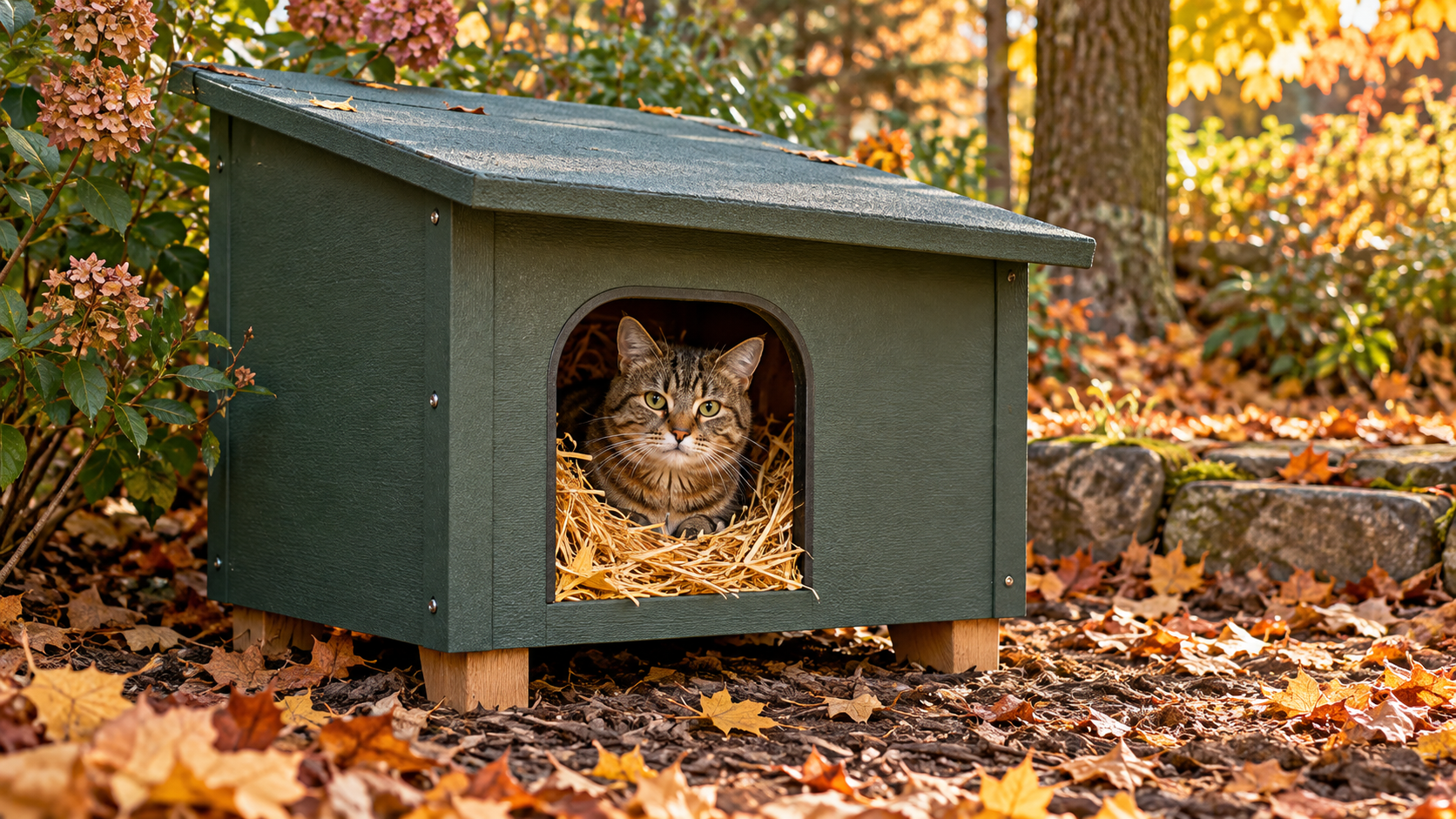
Use Straw for Outdoor Cat Shelter Bedding
Straw is the better choice for bedding in an unheated outdoor cat shelter. Hay is animal feed, while straw is the dry stalk material left after grain crops are harvested. They may arrive in similar-looking bales, but they do different jobs.
Hay holds moisture and can become damp and moldy. Straw resists moisture better and gives a cat material to nest in. That does not make it waterproof: a leaking shelter or wet bedding still needs attention. Alley Cat Allies explains the difference between straw and hay.
Know What You’re Buying
Look for clean, dry straw, not a bale labeled as hay. Straw usually has coarse, lightweight yellow or golden stalks. Hay is commonly greener and leafier, although appearance varies, so ask the seller if the material is unclear.
A single cat shelter uses only part of a bale. Keep the remainder dry and off the ground so you have fresh bedding ready when needed. Buying the correct material matters more than choosing whatever looks softest or happens to be closest to the door.
Skip Towels and Blankets in an Unheated Shelter
An old towel or fleece blanket may seem like a kind addition, but fabric bedding can absorb moisture and become cold when wet. For an unheated outdoor shelter, use loose straw instead.
Add enough for the cat to burrow into and curl up comfortably without blocking the entrance. Check the sleeping area regularly and replace wet or soiled bedding promptly. A fresh layer on top should not hide damp material underneath. ASPCA’s winter shelter guide recommends straw and regular bedding checks.
Give the Bedding a Weatherproof Home
Good bedding cannot fix a shelter that lets rain blow straight inside. Choose a compact, insulated shelter with a weatherproof exterior, a secure roof and an entrance sized for cats rather than a large doghouse opening.
Raise it securely off the ground and face the entrance away from prevailing wind. A protected location helps, but cats must still be able to enter and leave freely. Avoid placing the shelter where runoff collects or where traffic and dogs create hazards.
Larger is not automatically warmer: a smaller sleeping space is easier for cats to warm with body heat. Alley Cat Allies’ shelter guidance covers placement, entryways and weather protection.
Make Shelter Checks Part of the Routine
Once the shelter is in place, check more than whether a cat is using it. Look for wet bedding, a loose roof, a shifted base and blocked entrances. After snow, make sure every entrance and exit remains open.
Fresh water needs attention too. Check bowls frequently during freezing weather and replace frozen water. For multiple outdoor cats, several small shelters may be more useful than one oversized structure. The goal is a dependable dry resting place, not a setup that is filled once and forgotten.
Keep Pet Cats Indoors When Possible
An outdoor shelter is support for cats who cannot be brought indoors, not a guarantee of safety in severe weather. Cornell’s Feline Health Center recommends keeping cats indoors to reduce the risk of hypothermia and frostbite; cats who must remain outside need protection from cold, wind and precipitation, along with food and water. Read Cornell’s cold-weather advice.
For Galion shoppers planning a shelter, start with a simple checklist: straw, a small insulated shelter, a dry protected location and regular checks. Contact Liberty Farm, Home & Garden to check current straw availability before making a trip.
Keep Reading
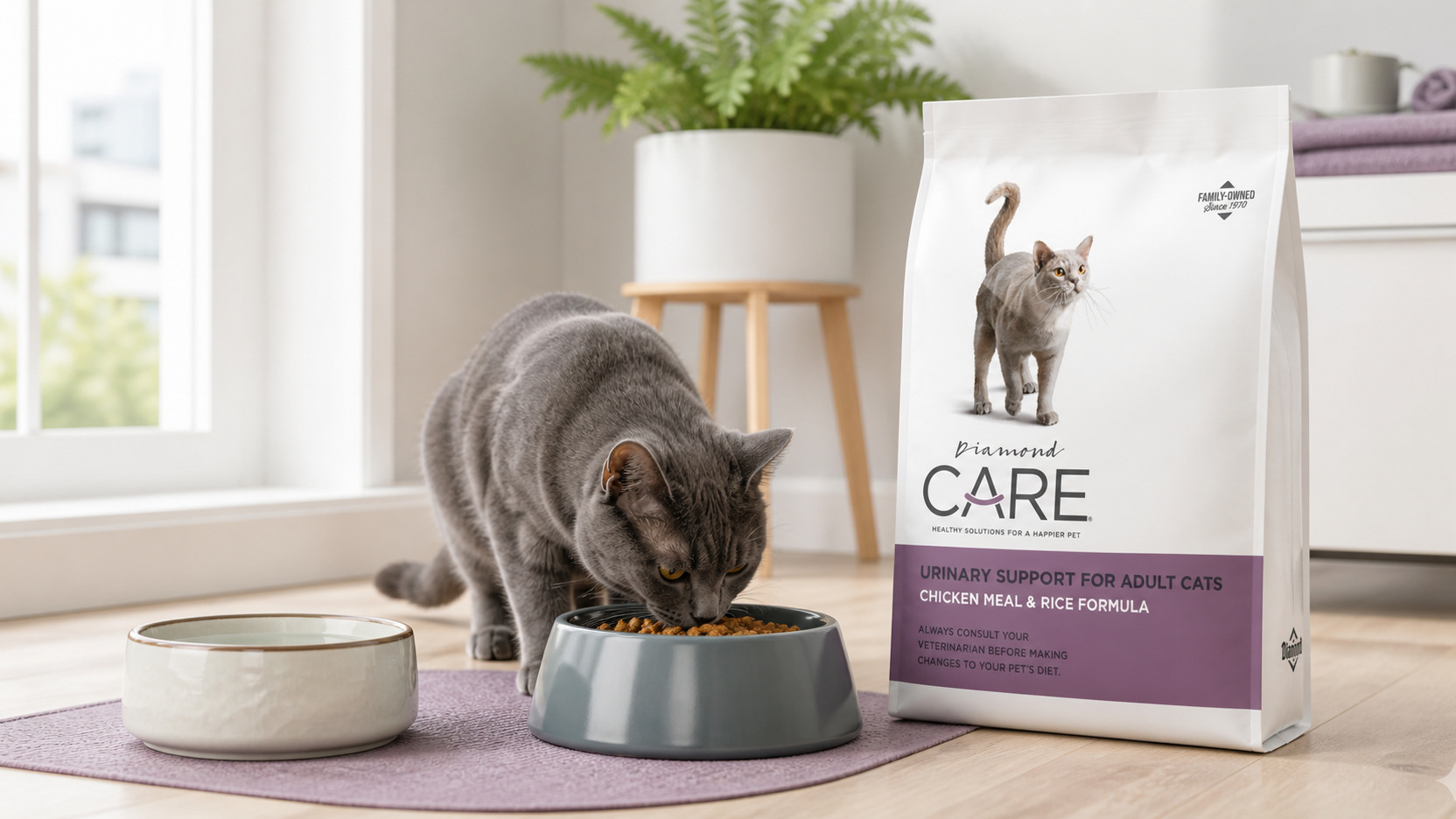
Protect Your Cat's Urinary Health This August: A Complete Guide to Urinary Support Nutrition
Learn why August heat puts indoor cats at higher risk for urinary problems and how Diamond CARE Urinary Support for Adult Cats can help — available at Liberty Farm, Home & Garden in Galion, Ohio.
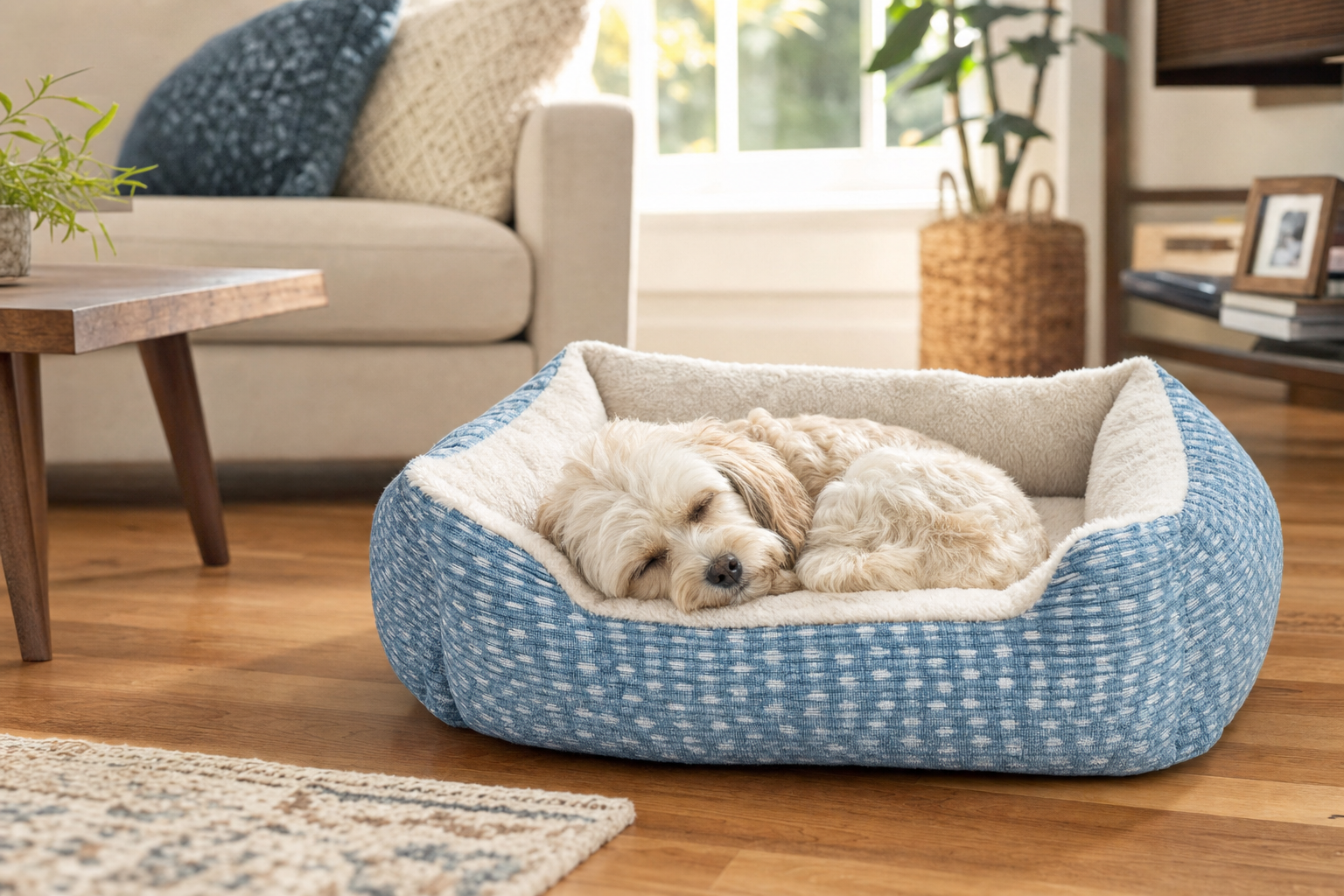
The Small Pet Bed That Actually Washes Clean: A Complete Guide to the Vibrant Life Dog & Cat Bed (Blue & White, 19" × 15")
Why a soft plush bed with a non-slip bottom and machine-washable construction makes more practical sense for small dogs and cats than people expect — and how to pick the right size and style for your home