
Plant Your Fall Vegetable Garden Now: A Late-July Ohio Guide
Late July is not the end of the Ohio garden—it is the start of a second season. Learn what to sow now, what to delay until cooler weather, and how to plan backward from frost for a useful fall harvest.
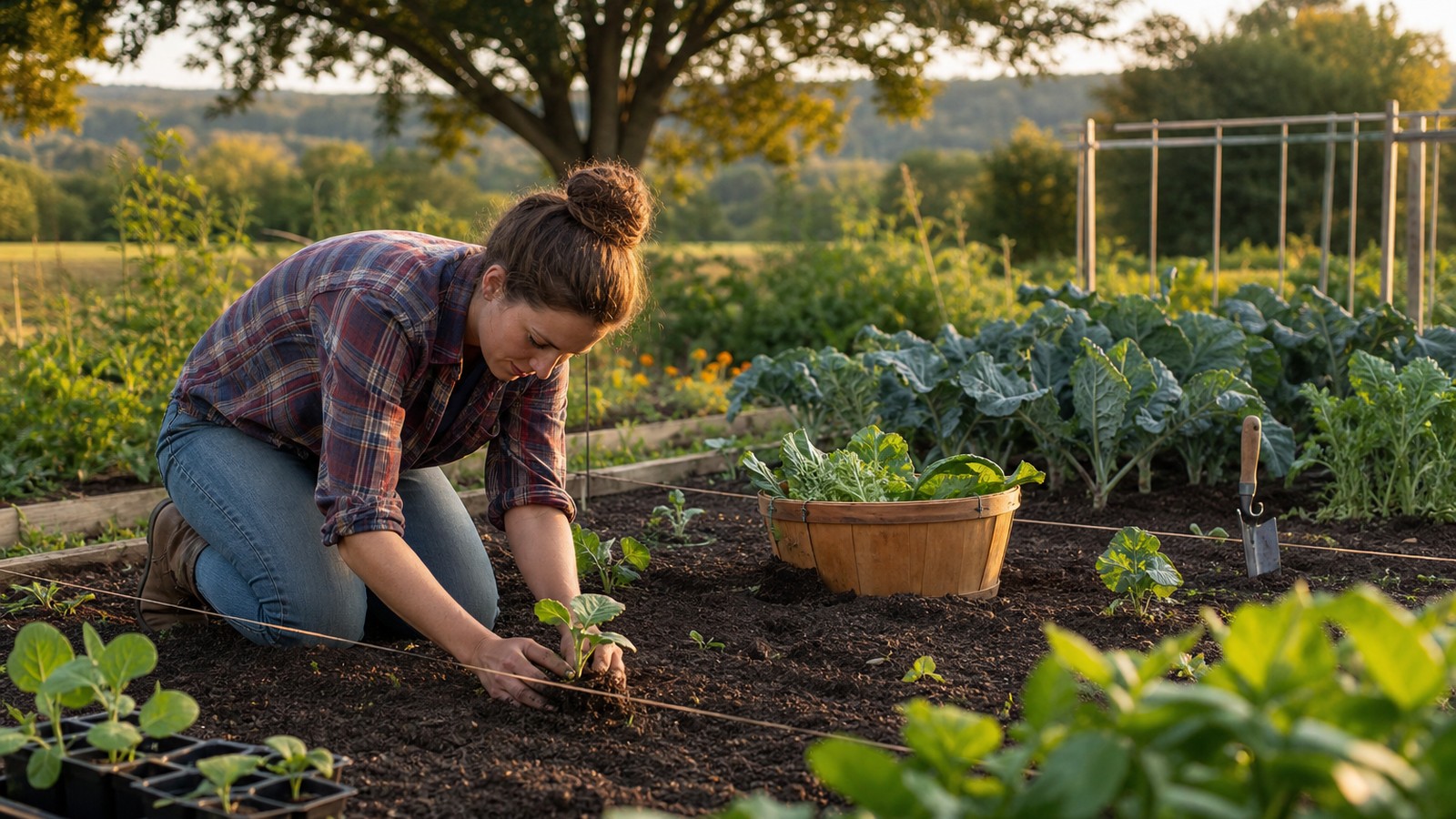
If your spring peas are finished and your first lettuce is long gone, do not leave that ground empty. Late July is the practical starting line for many fall vegetables in north-central Ohio—but the winning plan is not to sow everything at once. Start longer-season roots and brassicas now, wait for cooler soil before planting heat-sensitive greens, and use a local freeze estimate instead of a one-size-fits-all calendar.
Why Late July Is the Start of Ohio’s Fall Garden
By late July, a north-central Ohio vegetable garden can look as if it has reached the middle of its story. Tomatoes are coloring, cucumbers are filling the trellis, and spring lettuce is long gone. In reality, this is the handoff point between summer harvests and a second planting season. Open space left by peas, early greens, onions, or tired plants can produce another round of food instead of sitting bare until winter.
A fall garden works because several vegetables prefer the cooler conditions that arrive as summer eases. Kale, cabbage-family crops, spinach, leaf lettuce, radishes, beets, turnips, and mustard greens do not all behave the same way, but they share one advantage: you are aiming their best growth and harvest period toward cooler weather rather than asking them to mature during June heat.
The deadline is not a single date printed on a statewide calendar. Your decision depends on three pieces of information: the crop’s days to maturity, its tolerance for cold, and the expected first freeze near your garden. The University of Minnesota Extension recommends using a local average first-frost date to calculate midsummer planting, and it points gardeners to the Midwestern Regional Climate Center’s freeze-date tool. That map is more useful for Galion than borrowing a date from Columbus, Toledo, or another region with a different local climate.
Start by checking the seed packet and the freeze-date tool. Count backward from the local freeze window by the listed days to maturity, then allow extra time because autumn brings shorter days and cooler soil. Think of the packet number as a planning estimate under favorable conditions, not a promise. A crop that needs fifty days on paper may need longer when September light declines.
This timing method also keeps you from treating every vegetable alike. A frost-tender bean must finish before a light freeze. Kale can remain useful much later. Lettuce may be quick, but hot soil can delay germination or push plants toward bitter, bolting growth. The right question is not simply “How fast does it grow?” It is “Can it establish now and finish well in the weather ahead?”
What to Plant Now—and What to Wait On
In the final week of July, give priority to crops that need the longer runway. Direct-sow beets, kale, and turnips if their packet maturity range fits your local freeze calculation. Set out healthy broccoli, cabbage, or cauliflower transplants rather than depending on a late direct sow. Ohio State University Extension specifically notes that broccoli is generally better started with transplants and that healthy young plants are less prone to stress-related problems than overmature starts.
Do not rush every seed into hot ground on the same afternoon. Spinach and leaf lettuce are valuable fall crops, but summer heat can work against establishment. UMN Extension notes that lettuce may bolt and taste bitter in summer and suggests waiting for cooler conditions or using shade from taller plants. Radishes and mustard greens mature quickly enough that a later sowing can be an advantage. Reserve their row now, then plant as temperatures begin to moderate.
| Crop | Planning range | Cold response | Late-July strategy |
|---|---|---|---|
| Beets | 50–60 days | Survive temperatures in the high 20s °F | Direct-sow now if the packet fits your local freeze window |
| Broccoli | 50–70 days | Survives light frost | Favor healthy transplants for the longer head start |
| Kale | 40–65 days | Among the hardiest crops; UMN lists survival near 20 °F | Sow now or use transplants; baby leaves can be harvested early |
| Leaf lettuce | 40–60 days | Survives light frost | Wait for a cooler spell or provide light afternoon shade |
| Mustard greens | 30–40 days | Survives light frost | Use a later succession sowing for tender fall leaves |
| Radishes | 30–60 days | Can remain until soil freezes | Save space for a quick crop as late-summer heat eases |
| Spinach | 35–45 days | Survives light frost and may overwinter | Delay until soil cools enough for dependable germination |
| Turnips | 50–60 days | Survives light frost | Direct-sow now for roots, greens, or both |
| Supplies | Fresh seed and labels | Row cover and watering tools | Compost and soil-test kits as needed |
| Available At | Liberty Farm, Home & Garden | Galion, Ohio | libertyfhg.com |
The maturity and cold-response ranges above come from UMN Extension’s 2026-reviewed midsummer planting guide. Your seed packet remains the authority for a particular variety. A “baby leaf” harvest can also arrive before full maturity, which makes greens more flexible than a crop that must form a full head or root.
Choose the Right Space After Summer Crops
A second planting succeeds more often when you prepare the space as a new garden rather than dropping seed into the remains of the old one. Remove spent plants, thick stems, large roots, fallen fruit, and weeds. Diseased material should not be worked back into the bed. UMN Extension warns that leftover debris can interfere with germination; remove it thoroughly or allow time for it to break down before sowing.
Keep productive summer crops in place. The goal is not to clear the garden for the sake of neatness. Instead, map the gaps. An empty pea row can hold beets. A finished bush-bean block can become a bed for transplanted broccoli. The open strip at the edge of tomatoes can support a short row of later lettuce if it receives enough light and modest afternoon shade.
Pay attention to crop families. Broccoli, cabbage, cauliflower, kale, radishes, and turnips are all brassicas. Repeatedly placing them in the same small patch can carry pest and disease pressure from one planting to the next. Rotation is harder in a home garden than on a farm, but even moving the fall brassica row to a bed that held peas, beans, onions, or another unrelated crop is better than putting it directly behind a troubled spring cabbage crop.
Check drainage before choosing the bed. Ohio State’s broccoli guidance calls for well-drained, fertile soil and adequate moisture in the upper root zone. Those needs are not contradictory: soil should hold useful moisture without remaining waterlogged. A low spot that stays saturated after a storm is not rescued by adding more fertilizer. Choose a better-drained bed or correct the drainage problem.
Finally, leave working room. Fall crops still need to be weeded, watered, inspected, and eventually covered. A row cover that must be threaded through tomato cages every evening becomes a chore you will stop doing. Straight rows, clear paths, and labels are not cosmetic; they make the garden manageable when daylight shortens.
Prepare Soil Without Guessing at Fertilizer
Harvesting a first crop removes nutrients, but that does not mean every second planting needs a heavy dose of fertilizer. Ohio State’s 2025 soil-testing guidance explains that a test identifies nutrient deficiencies or excesses and helps gardeners avoid applications that waste money or increase environmental risk. If you have a current vegetable-garden soil test, follow its recommendations. If you do not, resist the urge to correct an unknown problem with a random handful of product.
For immediate planting, loosen only the compacted surface, remove old roots and weeds, and blend in finished compost if it is part of your normal bed-building practice. Break clods until the seedbed is fine enough for small seeds to make contact with moist soil. Do not bury unfinished material in the seed row. A smooth, level surface also helps water soak evenly instead of collecting in pockets or running away from high spots.
Read labels before applying any fertilizer or soil amendment. The crop, analysis, rate, placement, and timing matter. Ohio State notes that overfertilizing broccoli with nitrogen can encourage excessive growth and hollow stalks. More growth is not automatically better growth, especially when a fall crop has a limited window to mature.
Soil pH matters because it changes nutrient availability. Ohio State’s soil-testing fact sheet describes pH as one of the most important pieces of information a routine test provides. Do not add lime simply because it is a familiar garden product; add it only when a soil test supports the need and rate. The same caution applies to concentrated fertilizers.
If the bed repeatedly produces weak plants, strange discoloration, or poor roots, collect a representative soil sample instead of diagnosing by appearance alone. Liberty Farm, Home & Garden can help you identify the basic supplies you need for bed preparation, but a laboratory soil test is the right tool when the question is what the soil actually contains.
Get Seeds Through Hot Weather
The hardest part of a fall garden often happens before fall weather arrives. Small seeds are placed into soil that can dry quickly under late-July sun. A missed watering at the surface can stop germination even when the bed feels damp two inches down. Your job is to keep the seed zone consistently moist—not muddy—until seedlings establish.
- Plant at the packet depth. Small seeds generally belong near the surface, but the exact depth varies. Planting extra deep to “find moisture” can leave a seed without enough energy to emerge.
- Water gently. Use a fine rose or gentle spray so seed does not wash into clumps. Check the bed more than once on hot, breezy days.
- Shade the seedbed when appropriate. A lightweight shade cloth held above the soil can reduce surface heating. Do not lay opaque plastic against the ground or create a sealed heat trap.
- Label each row. Record crop, variety, and sowing date. This prevents you from disturbing a slow row because you forgot what was planted.
- Remove temporary shade promptly. Once seedlings emerge, give them the light recommended for the crop and keep air moving around the foliage.
Transplants need a different approach. Set them out late in the day or during a mild, cloudy stretch when possible. Water the root ball before planting, set it at the proper depth, firm soil around it, and water the surrounding root zone. A few days of temporary afternoon shade can reduce stress, but it should not become permanent darkness.
Thin direct-sown rows on time. Crowded beets, radishes, and turnips compete for root space; crowded greens trap moisture and are harder to inspect. Follow the packet spacing for the crop and the harvest stage you want. If you plan to harvest baby greens, closer spacing may be appropriate, but a full-size root or head needs its listed room.
Build a Succession Plan Instead of One Big Sowing
A single sowing creates a single point of failure. One violent storm can crust the bed, one hot week can reduce emergence, and one pest outbreak can damage every plant at the same stage. Succession planting spreads that risk and gives you a steadier harvest.
Divide quick crops into two or three short rows rather than one long row. Sow a portion, mark the date, and repeat after the interval suggested on the packet or when the first row has established. UMN Extension specifically recommends successive sowings of leafy vegetables for a continuing supply of young leaves. This approach is especially useful for mustard greens, radishes, lettuce, and spinach.
Do not confuse succession with endlessly planting past the useful window. Every later sowing has fewer days of warmth and daylight. Before each round, repeat the frost calculation. If the remaining window is too short for full maturity, switch the goal to baby leaves, use a faster listed variety, add season protection, or stop sowing that crop.
Keep a simple garden record:
- crop and variety
- packet days to maturity
- sowing or transplant date
- first emergence date
- first harvest date
- weather or pest problems
Those notes become more valuable than a generic calendar. Next year you will know whether spinach planted in a particular Galion bed emerged well in late August, whether a radish variety stayed mild, and whether your row cover bought useful time. Local experience is built one dated row at a time.
Succession also makes harvest easier. A household may enjoy ten radishes every week but not fifty on one Saturday. Planning the kitchen and garden together reduces waste and gives each crop a job before seed touches soil.
Protect Fall Crops From Pests, Heat, and Early Cold
Late-season planting does not reset the pest calendar. Caterpillars, aphids, flea beetles, and other insects may already be active when young brassicas emerge. Ohio State’s broccoli guidance identifies aphids and caterpillars as important pests and recommends physical removal as a useful first step for caterpillars. Inspect the undersides of leaves and the center of each plant several times a week; small problems are easier to manage than damaged heads.
A lightweight insect barrier can protect a new row when it is installed immediately and sealed at the edges. Support it so fabric does not abrade tender seedlings. If pests are already in the soil or on the transplants, covering them inside the row defeats the purpose. Remove or lift the barrier when a crop requires pollination, and follow the product’s directions.
Identify the pest before using any pesticide. Choose only a product whose label lists the crop and target pest, then follow the rate, protective-equipment, harvest-interval, and application directions. “Garden safe” is not a substitute for reading a label. Avoid spraying flowers visited by pollinators and avoid treating when drift could reach neighboring plants.
Mulch can moderate moisture after seedlings are established, but keep heavy mulch out of the germination row. A thick layer over tiny seed can block emergence. Once plants are large enough, a light, clean mulch between rows can reduce splash and slow moisture loss.
For cold protection, keep lightweight row cover and hoops ready before the forecast changes. The goal is modest protection, not turning the bed into a sealed greenhouse. Anchor covers against wind, keep plastic from resting directly on foliage, vent warm enclosures during sunny days, and remove or adjust protection as conditions change. Cold tolerance varies by crop and by plant condition, so use the packet, forecast, and regional freeze information together.
Harvest on Time and Put Empty Beds to Work
Fall harvest is less about waiting for maximum size and more about taking each crop at its best stage. Pick leafy greens when they are tender. Pull a sample beet, radish, or turnip rather than judging the whole row from the leaves. Harvest broccoli while the buds remain tight; Ohio State advises cutting the central head before yellow petals appear and notes that many cultivars can continue producing side shoots when leaves remain on the plant.
Watch the weather, but do not panic at the word “frost.” The UMN planning table separates crops killed by frost from crops that survive a light frost or colder conditions. That difference is why a fall plan works. Harvest tender crops first, protect moderately hardy crops when worthwhile, and let the hardiest crops use the cool season they were chosen for.
When a row finishes, clear it promptly. Healthy plant residue can be composted according to your normal system; diseased material should be handled so it does not carry problems back to the bed. Remove stakes, labels, and cover supports you will not need, and write down the final harvest date.
If the planting window has closed or a planned crop fails, do not leave soil bare by default. Ohio State’s 2023 guide to garden cover crops explains that cover crops can protect against erosion, suppress weeds, reduce compaction, and add organic matter. The right species and planting timing matter, and some cover crops can become difficult to manage if allowed to set seed. Choose one that fits a home-garden bed and a termination plan you can actually carry out.
The most useful fall garden is not necessarily the biggest. One prepared bed with a clear sequence—beets and kale now, quick greens as heat eases, row cover ready, and a cover crop for any unused strip—can extend your season without creating another full-time job. For seed-starting, soil-preparation, watering, and season-protection supplies, visit Liberty Farm, Home & Garden in Galion. Bring your crop list and packet questions; a specific plan is easier to shop for than a cart full of guesses.
Frequently Asked Questions
Keep Reading
Plant Cover Crops Now: An Ohio Home Garden Guide
Plant fall cover crops in an Ohio vegetable garden with practical guidance on timing, species, seeding, winter care, and spring termination.
Save This Summer’s Garden: A Practical Ohio Seed-Saving Guide
Save tomato, bean, pea, lettuce, marigold, zinnia, and other garden seeds with this practical late-summer guide for Galion and north-central Ohio.